2026 Top Trends in Green Packaging You Need to Know?
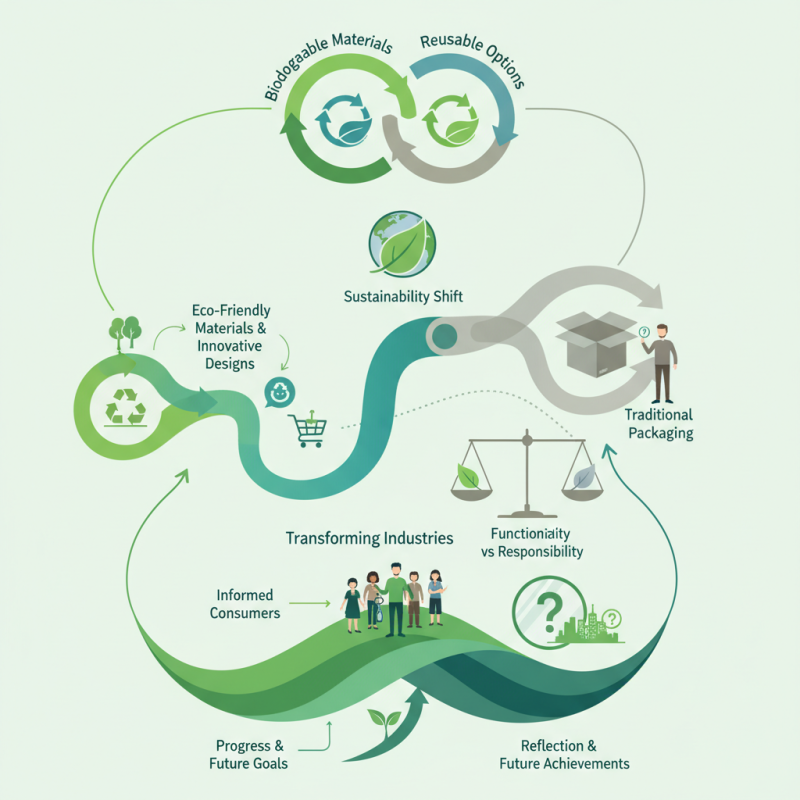
As the world shifts towards sustainability, Green Packaging takes center stage. This approach minimizes environmental impact and enhances brand reputation. Companies are increasingly adopting eco-friendly materials and innovative designs.
In 2026, the trends in Green Packaging are set to evolve significantly. Biodegradable materials and reusable options are becoming mainstream. Some companies are still hesitant, relying on traditional packaging methods. This brings a challenge: balancing functionality with environmental responsibility.
The push for Green Packaging is transforming industries. Informed consumers now demand more sustainable choices. However, not every brand is ready to make the leap. It’s time for reflection on how far we have come and what more we can achieve in this vital sector.
Emerging Biodegradable Materials in Green Packaging for 2026
As we approach 2026, the demand for eco-friendly alternatives in packaging is skyrocketing. Companies explore emerging biodegradable materials. These materials promise to reduce plastic waste and enhance sustainability. Innovations drive the shift toward more responsible choices.
Starch-based packaging is gaining traction. Derived from corn or potatoes, it breaks down naturally. Interestingly, it may not hold up well in humid environments. Another option is mushroom-based packaging, made from mycelium. This material is fully compostable and offers good protection. However, scalability remains a challenge.
Seaweed-derived packaging is also making waves. It’s edible and biodegradable, appealing to health-conscious consumers. Yet, sourcing seaweed sustainably is a concern. While these materials show potential, they require further research. The future of green packaging lies in balance—effectiveness and eco-friendliness must go hand in hand.
Innovative Recycling Technologies Revolutionizing Packaging Industry
The packaging industry is undergoing a revolution with innovative recycling technologies. These advancements offer exciting opportunities for sustainability. New methods, such as chemical recycling, can break down plastics into their basic components. This process allows for endless recycling of materials that were previously deemed non-recyclable.
Tips: Embrace reusable packaging options to reduce waste. Consider biodegradable materials as a more sustainable choice.
Another trend is the use of AI in recycling. Artificial intelligence can improve sorting processes, making recycling more efficient. However, technology is not a perfect solution. Human intervention is still needed to ensure proper recycling practices. Misplaced items can contaminate batches, leading to increased waste.
Tips: Educate yourself on proper recycling methods. Know what materials are accepted in your area. Always check packaging labels for recycling symbols.
As these technologies evolve, they create a dynamic landscape for green packaging. The focus is on creating a circular economy, but challenges remain. Not all innovative solutions are universally applicable. Each region has different needs and capabilities. The path ahead may be complex, but progress is being made.
2026 Top Trends in Green Packaging You Need to Know
| Trend |
Description |
Impact |
Year of Adoption |
| Biodegradable Materials |
Use of materials that break down naturally to reduce waste. |
Reduces landfill waste and pollution. |
2025 |
| Reusable Packaging |
Encouraging return and reuse of packaging materials. |
Cuts down on single-use plastics and promotes sustainability. |
2026 |
| Smart Packaging |
Integration of technology for monitoring product conditions. |
Improves supply chain efficiency and reduces waste. |
2026 |
| Plant-Based Inks |
Using inks derived from renewable resources. |
Lower environmental impact and safer for consumers. |
2025 |
| Minimalist Packaging |
Reduction of packaging materials to the essentials. |
Decreases waste and production costs. |
2026 |
Consumer Demand Shifting Towards Sustainable Packaging Solutions
Consumer demand is rapidly shifting towards sustainable packaging solutions. A recent report indicates that 72% of consumers prefer eco-friendly packaging options. This preference is influencing manufacturers to rethink their strategies. In 2026, the focus on green packaging will likely intensify.
This shift reflects larger environmental concerns. 70% of consumers consider sustainability when choosing products. Unpacking this trend reveals complexities. While many companies are adopting biodegradable materials, there is still a reliance on plastics. Only 30% of companies have fully transitioned to sustainable materials.
Challenges lie in balancing cost and sustainability. Many businesses fear higher production costs. They worry that eco-friendly options may not provide the needed durability. While some green materials can compete with traditional plastics, others do not. This inconsistency can cause frustration for both brands and consumers. The path to comprehensive sustainability is unclear, and companies must reflect on their commitment to innovation.
Impact of Circular Economy on Green Packaging Trends
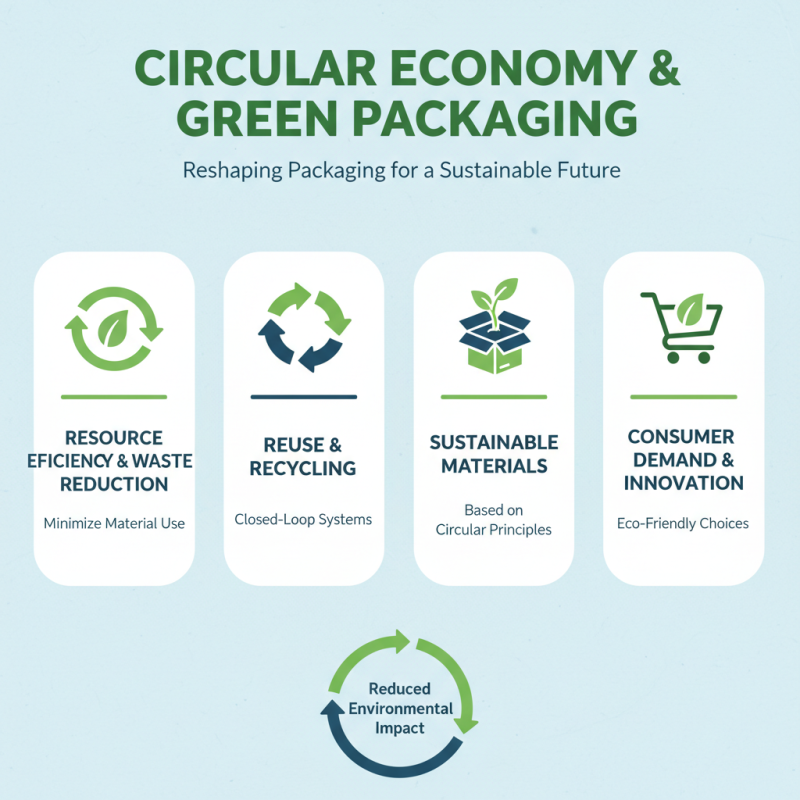
The circular economy significantly influences green packaging trends. This approach prioritizes resource efficiency, reducing waste. It promotes reuse and recycling in packaging. More brands adopt sustainable materials based on circular principles. Consumers demand eco-friendly options, pushing companies to rethink designs.
Tips: Consider using biodegradable materials. They often break down faster than conventional plastics. Also, explore refillable packaging options. This choice reduces single-use waste and encourages customer loyalty.
The shift towards circularity isn't flawless. Some brands struggle with sourcing sustainable materials. Others find it challenging to maintain cost efficiency. Even so, the drive for greener solutions is evident. As innovations arise, the industry will evolve and improve over time. Embracing circularity can be both a risk and an opportunity.
Regulatory Changes Driving Green Packaging Innovations in 2026
Regulatory changes are shaping the landscape of green packaging in 2026. Governments worldwide are implementing stricter environmental regulations. These laws encourage companies to explore sustainable materials and reduce waste. For instance, some regions are mandating the use of biodegradable alternatives. This means businesses need to innovate quickly. Those who lag may face penalties.
Tips for companies include conducting a thorough analysis of materials. Understand which options will comply with new regulations while being cost-effective. Additionally, collaborate with suppliers who prioritize sustainable practices. This can streamline the transition to greener packaging methods.
It's important to recognize that compliance alone is not enough. Businesses need to engage consumers in their sustainability journey. Transparent communication about packaging choices can foster trust. However, relying solely on regulatory compliance can be risky. Companies must anticipate future trends and adapt proactively.