2026 Top Trends in Industrial Paper You Need to Know?
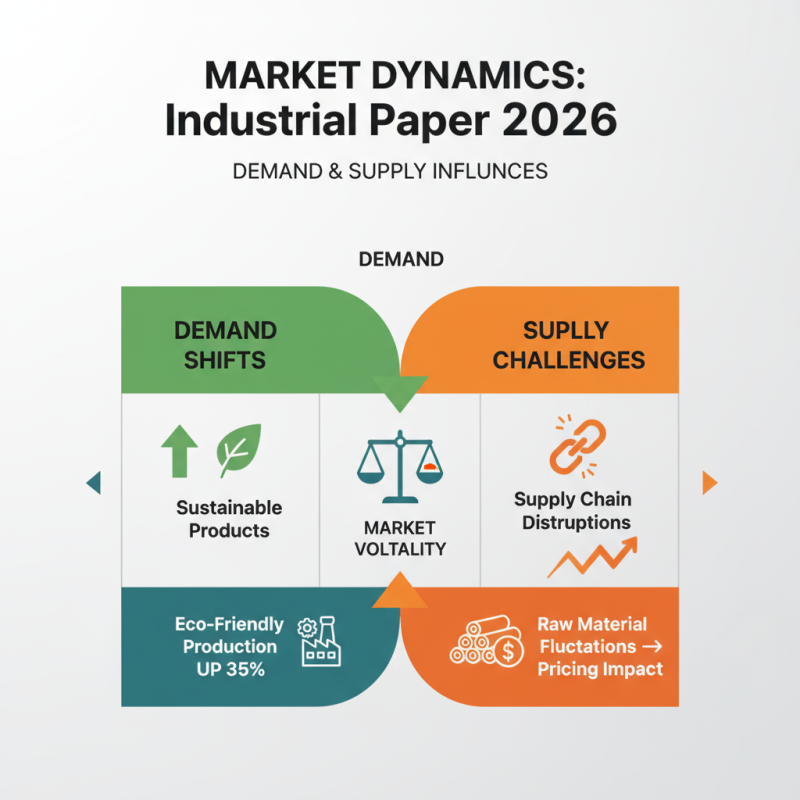
The world of Industrial Paper is evolving rapidly. By 2025, the global market for industrial paper is expected to reach $300 billion, driven by innovations and increasing demand. The push for sustainability is re-defining this sector. Companies are seeking eco-friendly materials. A significant 70% of manufacturers are investing in recycled paper options.
Technological advancements play a crucial role too. Digital printing technology is reshaping production processes. In fact, the adoption of digital solutions is projected to grow by 40% over the next few years. However, challenges remain. Many businesses struggle with the transition to eco-friendly materials. Balancing cost and quality remains a common pain point.
As we look towards 2026, understanding these trends is vital. Industrial Paper is more than just a commodity; it embodies innovation and sustainability. Remaining alert to these shifts will enable companies to thrive in this competitive landscape. As the industry adapts, stakeholders must reassess strategies for paper sourcing and usage.

Emerging Technologies in Industrial Paper Production for 2026
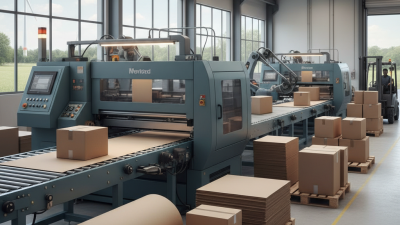
The industrial paper sector is evolving rapidly. Emerging technologies are reshaping how paper is produced. In 2026, we can expect smart manufacturing techniques to take center stage. According to a recent industry report, automation will boost efficiency by approximately 29%. This trend could lead to significant cost savings across operations.
Digital printing technology is also gaining traction. Recent statistics suggest that digital print usage in industrial applications may increase by over 40% by 2026. This shift allows for customized production runs. However, companies face challenges adapting to these newer technologies. Training staff and updating machinery can be significant hurdles.
Sustainability remains at the forefront of innovations. Techniques like utilizing recycled materials are expected to rise. Research indicates that companies adopting sustainable practices may see a 15% increase in customer loyalty. Yet, the transition can prove complicated and costly. Industries must reflect on their current practices to keep up. Balancing technological advancements with environmental concerns is crucial now more than ever.
2026 Top Trends in Industrial Paper Production
Sustainability Trends Shaping the Future of Industrial Paper Industry
The industrial paper industry is undergoing a significant transformation driven by sustainability trends. In recent years, data from the Global Paper Trade Association indicates that over 70% of consumers prefer brands that prioritize eco-friendly practices. This shift is prompting manufacturers to adopt greener production methods and sustainable raw materials.
Recycling continues to play a vital role. Approximately 66% of paper products used globally are recycled, according to the Paper Recycling Coalition. However, this leaves a gap in efficiency and innovation. Many companies still rely on traditional processes that contribute to waste. Transitioning to circular economy models is essential. It's not just about recycling; it's about rethinking the entire lifecycle of paper products.
Tip: Review your paper use regularly. Identify areas where you can reduce consumption or switch to recycled options.
Another important trend is the use of alternative fibers. Industrial paper producers are experimenting with materials like hemp and bamboo. These fibers require less water and energy to grow. Surprisingly, less than 20% of manufacturers are currently investing in these alternatives. The reluctance could be due to perceived costs or the challenge of changing existing methods.
Tip: Explore local sources of alternative materials. Supporting local suppliers can reduce transportation emissions significantly.
Innovative Applications of Industrial Paper Across Various Sectors
Industrial paper has found innovative applications across diverse sectors. In 2026, demand for eco-friendly packaging is projected to rise sharply. According to a report by Smithers, sustainable paper packaging will grow by 4.5% annually. This shift reflects a broader trend towards sustainability. More companies are adopting biodegradable solutions. This is a crucial step, but many still grapple with supply chain issues.
In the automotive industry, industrial paper is making strides too. Lightweight paper composites are gaining attention for their potential. These materials can reduce overall vehicle weight by 15%. A study from Technavio suggests that integrating these composites could save manufacturers substantial costs. However, the challenge lies in durability. Paper-based materials must meet rigorous safety standards.
The healthcare sector is also leveraging industrial paper creatively. Medical packaging made from paper is gaining traction. Reports indicate that such packaging can prevent contamination while being environmentally friendly. Despite the benefits, questions about long-term viability remain. Companies need to evaluate if these solutions meet operational demands effectively.
Regulatory Changes Impacting the Industrial Paper Market in 2026
In 2026, the landscape of the industrial paper market will shift due to crucial regulatory changes. Governments worldwide are increasingly focused on sustainability. Stricter regulations on deforestation and carbon emissions are expected. Companies must adapt to these new rules. Compliance will become essential for survival in the industry.
Paper manufacturers are likely to face challenges in sourcing raw materials. Sustainable forestry practices will be a priority. Some companies may struggle to meet these standards. This could lead to higher production costs. Businesses will need to innovate. Finding alternative materials could be necessary.
The regulatory landscape will also impact packaging sectors. Eco-friendly packaging solutions are in high demand. Consumer expectations are evolving. Companies that fail to adapt may lose market share. Staying ahead of regulations will be critical. It requires agility and foresight to navigate this complex environment.
2026 Top Trends in Industrial Paper You Need to Know
| Trend |
Impact |
Regulatory Change |
Sustainability Focus |
Market Growth Rate (%) |
| Digital Transformation |
Enhanced manufacturing processes |
Implementation of Industry 4.0 standards |
Increased recycled content requirements |
5.0% |
| Eco-friendly Materials |
Higher demand for sustainable products |
Stricter regulations on non-biodegradable substances |
Mandatory use of renewable resources |
4.5% |
| Smart Manufacturing |
Increased efficiency and lower costs |
Enhanced safety regulations |
Focus on energy-efficient processes |
6.0% |
| Supply Chain Innovation |
More resilient supply chains |
Revised trade compliance rules |
Encouragement of local sourcing |
3.8% |
| Regulatory Compliance Technology |
Streamlined compliance processes |
Introduction of automatic reporting requirements |
Less paper usage through digital reports |
5.5% |