2026 Top Trends in Recycled Cardboard Boxes for Eco Friendly Packaging Solutions?
As we move towards a more sustainable future, the packaging industry is evolving. Recycled cardboard boxes are at the forefront of this change. Experts, like Dr. Jane Thompson, a leader in sustainable packaging, emphasize their value. She states, "Recycled cardboard boxes are not just eco-friendly; they represent a shift in consumer responsibility."
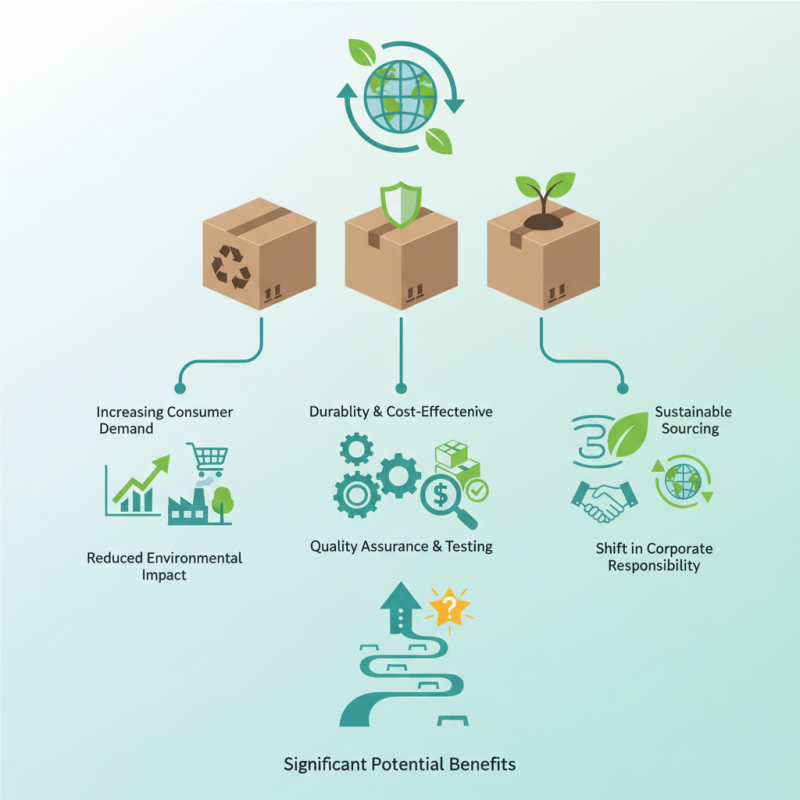
The demand for eco-friendly solutions is increasing. Businesses are seeking alternatives to traditional packaging. Recycled cardboard boxes offer durability and versatility. They are made from post-consumer waste, reducing the need for virgin materials. This practice lessens environmental impact. However, many companies are still hesitant to adopt these solutions due to cost concerns.
There are challenges to consider. Not all recycled cardboard is created equal. Quality can vary greatly among suppliers. Sustainable sourcing is crucial for maintaining standards. Companies must invest in testing and quality assurance. This ensures the recycled cardboard boxes are reliable for their products. The ongoing journey towards eco-friendly packaging is complex, but the potential benefits are significant.
Top Trends Driving the Demand for Recycled Cardboard Boxes in 2026
The demand for recycled cardboard boxes is on the rise as businesses seek sustainable packaging solutions. In 2026, environmental consciousness plays a key role in this trend. Companies recognize that eco-friendly packaging is not just a trend; it’s an essential strategy. Many are now prioritizing materials that reduce waste and carbon footprint.
Innovation in design is also a driving factor. Brands are focusing on creating boxes that are multifunctional. This allows for reduced material usage while still providing durability and protection. In addition, creative designs can enhance brand appeal.
However, challenges remain. Sourcing high-quality recycled materials can be inconsistent. Not every manufacturer meets the necessary quality standards. This inconsistency can lead to disruptions in supply chains.
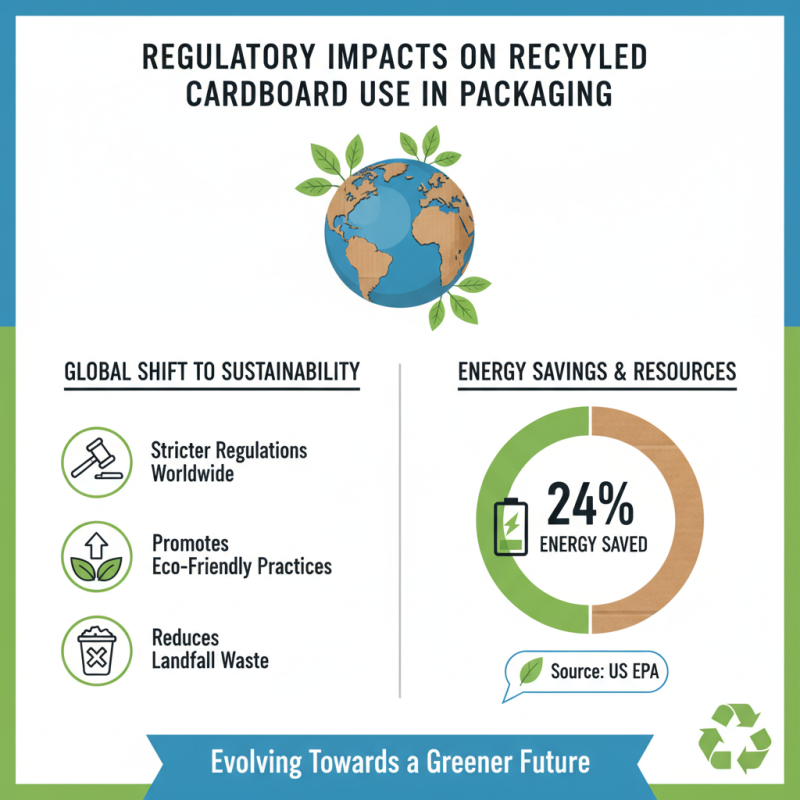
With changing regulations and consumer expectations, businesses must adapt quickly. Tracking the lifecycle of packaging materials will become increasingly important. Transparency about sourcing practices fosters trust. Some companies may struggle to implement these practices. Identifying reliable suppliers is critical yet often overlooked. The landscape for recycled cardboard packaging continues to evolve, driven by both necessity and opportunity.
Innovations in Sustainable Materials for Eco-Friendly Packaging Solutions
The demand for sustainable packaging continues to rise. Innovations in recycled cardboard boxes are at the forefront of this shift. In 2022, the global sustainable packaging market was valued at approximately $476 billion. It’s expected to reach $1 trillion by 2027. This rapid growth reflects a critical need for eco-friendly alternatives.
One notable trend is the use of biodegradable materials in packaging. Reports indicate that around 58% of consumers prefer products with sustainable packaging. This has led manufacturers to experiment with materials like mushroom-based composites. These alternatives not only reduce waste but also enhance product appeal. However, challenges remain. Finding cost-effective solutions that maintain durability is crucial. Packaging must protect products while being environmentally responsible.
Additionally, the rise of digital printing technology is transforming packaging. It allows for smaller production runs, reducing waste. Yet, this technology requires significant investment. Many smaller companies struggle to adopt it. Collaboration among industry leaders may bridge this gap. The sustainable packaging space is evolving, but innovation must overcome economic hurdles to flourish.
2026 Trends in Recycled Cardboard Boxes for Eco-Friendly Packaging Solutions
Market Growth Projections for Recycled Cardboard Box Industry by 2026
The recycled cardboard box industry is experiencing significant growth. By 2026, market projections indicate an increase in demand for sustainable packaging solutions. Companies are seeking eco-friendly options to showcase their commitment to the environment. This shift is not just a trend; it reflects a deeper understanding of sustainability.
Many consumers prioritize recyclable materials when making purchases. Eco-conscious brands are tapping into this mindset. However, the supply chain faces challenges. Sourcing consistent, high-quality recycled cardboard can be a hurdle. This inconsistency could limit growth if not addressed. Some companies may struggle to meet eco-certifications, putting them at a disadvantage.
Innovations in technology could help overcome these issues. New recycling processes are emerging, enhancing efficiency and quality. Investments in research and development are essential. Despite challenges, the trajectory remains positive. The industry seems positioned to thrive, yet ongoing effort is vital. Embracing change and adaptability will define success going forward.
2026 Top Trends in Recycled Cardboard Boxes for Eco Friendly Packaging Solutions
| Trend Type |
Projected Market Growth (%) |
Key Benefits |
Market Share (%) |
| Sustainable Materials |
25% |
Reduced carbon footprint, biodegradable |
40% |
| E-commerce Packaging |
30% |
Improved logistics, cost-effective |
35% |
| Custom Design Solutions |
20% |
Brand recognition, customer engagement |
15% |
| Smart Packaging Technology |
18% |
Enhanced tracking, reduced waste |
10% |
| Recycling Innovations |
28% |
Higher recycling rates, cost savings |
5% |
Consumer Preferences Shaping the Future of Packaging Sustainability
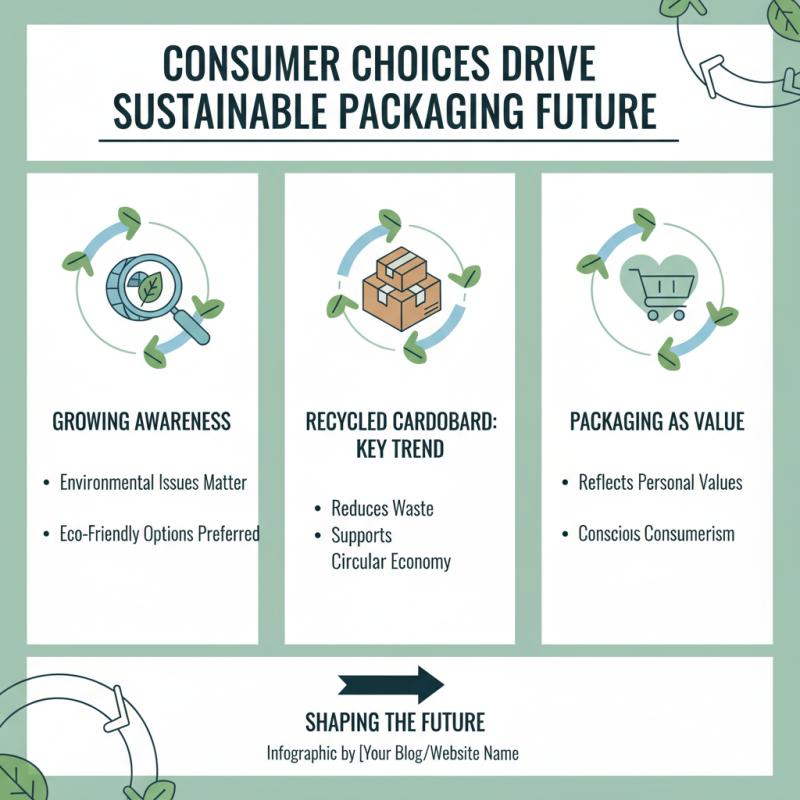
Consumer preferences are reshaping the landscape of packaging sustainability. As awareness of environmental issues grows, more consumers are choosing eco-friendly options. Recycled cardboard boxes are becoming increasingly popular for various reasons. They not only reduce waste but also support a circular economy. Many consumers now view packaging as an extension of their values.
Sustainability isn't just a trend—it's a demand. Shoppers are willing to pay more for products that come in eco-friendly packaging. They prefer brands that prioritize sustainability in their decisions. However, not all recycled cardboard boxes are created equal. Some may use mixed materials that complicate recycling. This inconsistency can frustrate consumers who want to make responsible choices.
Additionally, the aesthetics of packaging matter. Many customers look for attractive, functional designs. If a box is flimsy, it may undermine the product's value. Brands must focus on improving the quality of recycled materials. Inviting customer feedback on packaging can also help brands understand preferences better. After all, consumer choices will continually shape the future of sustainable packaging.