What are the Benefits of Using Corrugated Cardboard Sheets?
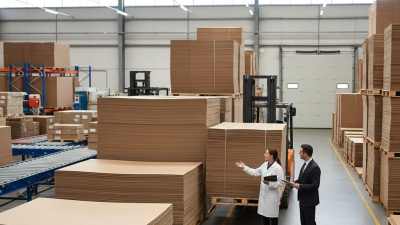
Corrugated Cardboard Sheets have become essential in various industries due to their versatility. According to a report by Smithers Pira, the global market for corrugated packaging reached approximately $250 billion in 2021 and continues to grow steadily. This increase reflects a rising demand for sustainable packaging options, which highlights the advantages of using corrugated cardboard.
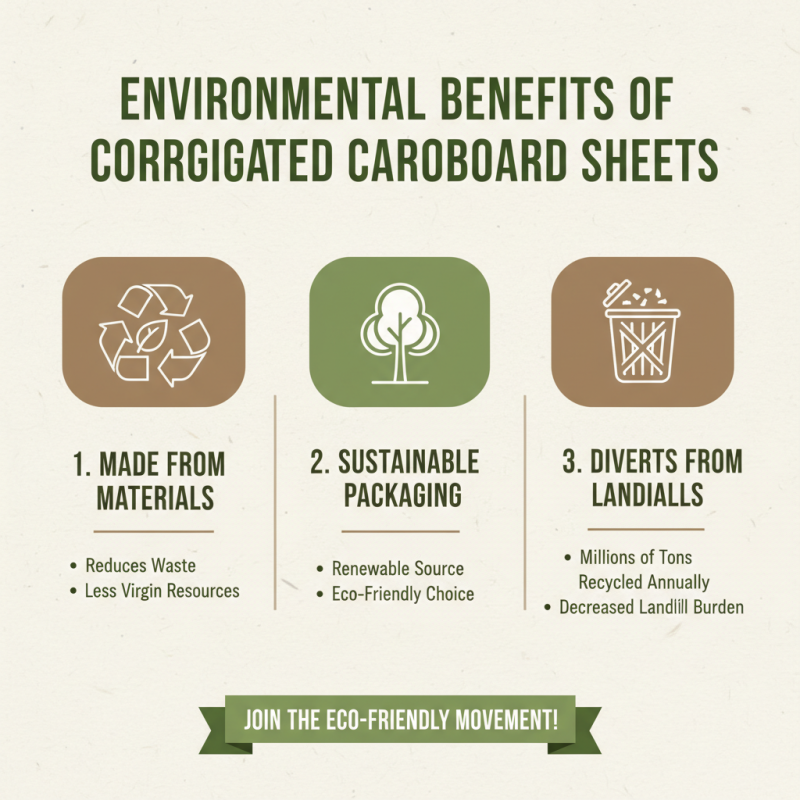
These sheets are lightweight yet strong, providing excellent protection during shipping. Their eco-friendly materials meet increasing consumer expectations for sustainability. In fact, studies have shown that over 70% of consumers prefer products packaged in recyclable materials. Additionally, corrugated cardboard is cost-effective, making it a feasible choice for many businesses.
While the benefits are significant, challenges remain. For instance, not all corrugated sheets are created equal; variations in quality can affect performance. Companies must choose the right suppliers to ensure reliability. By addressing these factors, businesses can fully leverage the benefits of Corrugated Cardboard Sheets while enhancing their sustainability efforts.
Advantages of Corrugated Cardboard Sheets in Packaging Solutions
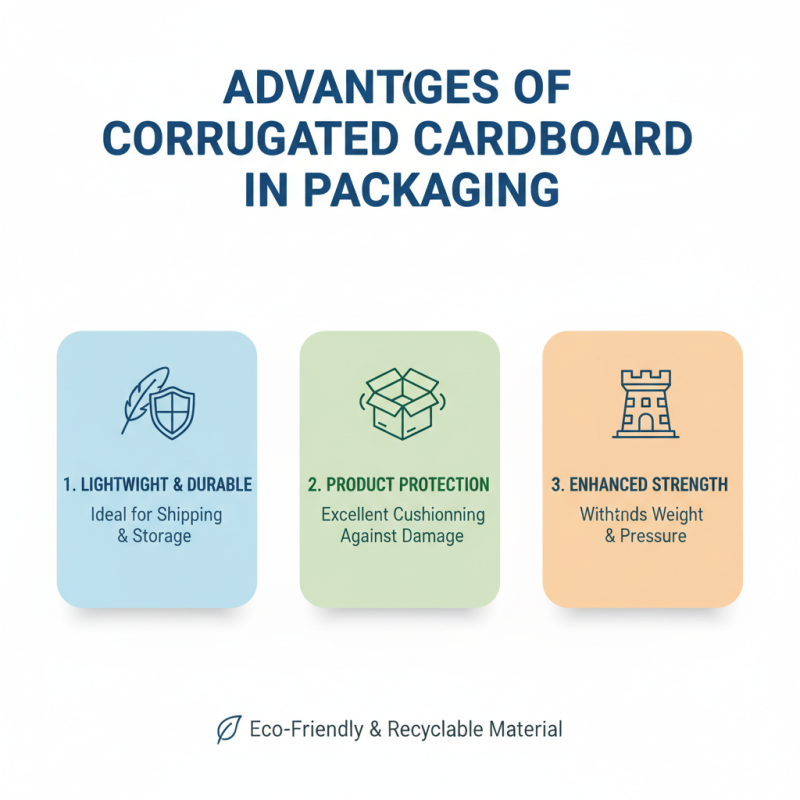
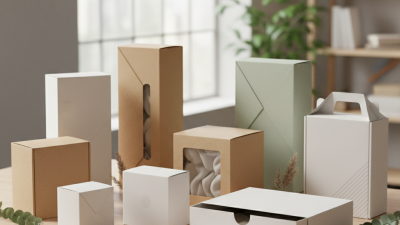
Corrugated cardboard sheets offer numerous advantages in packaging solutions. They are lightweight yet durable, making them ideal for shipping and storage. These sheets provide excellent cushioning, protecting products from damage during transit. The structure of corrugated cardboard also enhances strength, allowing it to endure weight without compromising integrity.
In addition to physical protection, corrugated sheets are an eco-friendly choice. They are recyclable and often made from recycled materials. This aligns with growing consumer demand for sustainable practices. However, companies must ensure proper recycling processes to maximize environmental benefits. Failure to do so can diminish the eco-friendly reputation of this material.
Cost-effectiveness is another significant benefit. Corrugated cardboard sheets are typically less expensive than alternative packaging options. This reduction in costs can be critical for small businesses or startups. However, it’s essential to evaluate your specific packaging needs, as sometimes the cheapest option may not provide sufficient protection. Balancing cost and quality is key to effective packaging solutions.
Environmental Benefits of Using Corrugated Cardboard Sheets
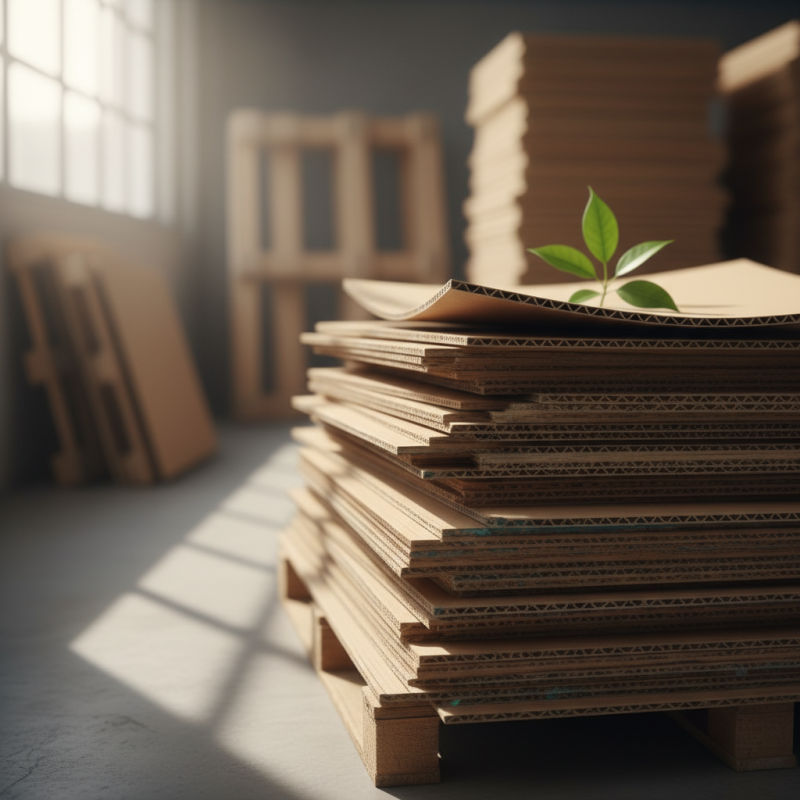
Corrugated cardboard sheets are increasingly recognized for their environmental benefits. Made primarily from recycled materials, they offer a sustainable packaging solution. This process minimizes waste and reduces the need for new raw materials. Every year, millions of cardboard sheets are recycled, significantly decreasing landfill contributions.
These sheets are lightweight, which helps lower transportation emissions. Less fuel is required to transport goods packed in corrugated cardboard. This efficiency translates to a smaller carbon footprint. Additionally, corrugated cardboard is biodegradable. When disposed of properly, it breaks down naturally, nurturing the soil instead of polluting it.
However, not all corrugated cardboard is created equal. Some products may have coatings or additives that hinder recyclability. It's crucial to choose options that are fully recyclable. Moreover, while cardboard is renewable, excessive use can lead to deforestation if sourced irresponsibly. Balancing usage and sourcing remains a challenge for manufacturers.
Cost-Effectiveness of Corrugated Cardboard for Businesses
Corrugated cardboard sheets offer remarkable cost-effectiveness for businesses. According to a recent industry report, companies can save up to 30% on shipping costs by using lightweight corrugated materials. These sheets provide an efficient solution for packaging products while reducing overall weight. The strength of corrugated cardboard allows for safer transport, minimizing damage during transit.
One of the main benefits of using corrugated cardboard is its versatility. It can be customized to fit various product dimensions. This adaptability means businesses can avoid overspending on packaging. In fact, a survey indicated that 70% of packaging professionals choose corrugated cardboard for its sustainability. This choice not only aids in cost reduction but also enhances a company’s green credentials.
Tip: Consider using recycled corrugated materials to further decrease costs and improve sustainability.
It's important to reflect on the reliability of corrugated sheets. Although they are robust, fluctuations in performance exist. Factors like humidity and weight can affect their durability. Therefore, careful selection and testing are crucial to ensure they meet specific packaging needs.
Tip: Regularly review your suppliers to ensure you receive high-quality materials that align with your operational requirements.
Durability and Protection Offered by Corrugated Cardboard Sheets
Corrugated cardboard sheets are essential for various industries. Their durability plays a key role in protective packaging. This material can withstand significant pressure, making it ideal for shipping and storage. According to the Fibre Box Association, about 85% of all products are packaged in corrugated materials. This high percentage illustrates their reliability in protecting goods.
One significant benefit is the resistance to moisture and impacts. Studies show that properly treated corrugated sheets can resist both water and physical damage. For example, a report from the Packaging Association indicates that corrugated cardboard can absorb shocks during transit, reducing the risk of product damage by up to 20%. However, not all companies utilize the full potential of this material. Some still opt for inferior packaging options that do not provide the same level of protection.
Furthermore, sustainability is a pressing concern. Corrugated sheets are recyclable and biodegradable, but many recycled materials still end up in landfills. Manufacturers can benefit from sourcing sustainable options while also meeting environmental regulations. Yet, challenges remain in achieving 100% recycled content. It’s important for businesses to reflect on their choices in packaging. This reflection can lead to better practices that enhance protection and sustainability.
What are the Benefits of Using Corrugated Cardboard Sheets? - Durability and Protection Offered by Corrugated Cardboard Sheets
| Benefits |
Description |
| Lightweight |
Corrugated cardboard sheets are easy to handle and transport due to their low weight. |
| Impact Resistance |
Provides excellent cushioning for products, absorbing shocks during handling and transport. |
| Versatility |
Can be cut, folded, or molded into various shapes to fit different packaging needs. |
| Cost-Effective |
Relatively low cost compared to other packaging materials, making it an economical choice. |
| Eco-Friendly |
Made from recyclable materials, reducing environmental impact. |
| Customizability |
Easily customizable in terms of size, print, and design to enhance branding. |
| Water Resistance |
Special treated varieties can offer water resistance for certain applications. |
| Insulation |
Provides thermal insulation, protecting products from temperature variations. |
Versatility of Corrugated Cardboard in Various Industries
Corrugated cardboard sheets are widely recognized for their versatility across various industries. They provide excellent protection for products during shipping and storage. This material's lightweight nature allows for easy handling. Moreover, its structural design offers remarkable strength, making it ideal for packaging fragile items. Many companies rely on this type of packaging to reduce breakage rates.
In the retail sector, corrugated cardboard is vital. It can be easily customized to fit specific branding needs. Retailers utilize striking graphics and colors to attract customers. In manufacturing, these sheets serve as dunnage, cushioning goods efficiently. However, companies sometimes overlook sustainability in their packaging choices. It’s crucial to consider eco-friendly options as consumer demand for green products rises.
The food industry also benefits from corrugated cardboard. These sheets keep products fresh and transportable. They are often used in boxes for takeout and delivery, ensuring food safety. Yet, challenges remain, such as moisture resistance. Some manufacturers need to improve in this area to meet industry standards. Overall, corrugated cardboard continues to prove its worth in a variety of sectors.