Top 10 Best Carton Packs for Global Buyers in 2026
As the global market evolves, the demand for efficient and reliable packaging solutions increases. Carton Packs are essential in various industries, from food to electronics. They offer durability, sustainability, and cost-effectiveness, making them a preferred choice for many businesses.
In 2026, we anticipate significant growth in the Carton Pack sector. However, selecting the best options can be daunting for buyers. Diverse materials, designs, and environmental impacts require careful consideration. Some existing packs may fall short in quality, leading to concerns about product safety.
Suppliers must stay updated on innovative practices. This ongoing evolution promises exciting opportunities for those willing to adapt. Our guide explores the top ten Carton Packs for global buyers, aiming to inform and assist in making strategic choices. With a blend of insight and practical suggestions, we hope to empower businesses to choose the best packaging solutions for their needs.

Overview of Carton Pack Types and Their Applications
Carton packs have become essential in various industries. Their versatility and cost-effectiveness make them popular among global buyers. Various types of carton packs cater to different needs and applications, from food storage to electronics packaging.
One common type is the rigid carton. These packs offer excellent protection for fragile items. However, they can be more expensive to produce. It’s essential to weigh the benefits against production costs. Another popular option is the folding carton. This type is lightweight and easy to assemble but may lack the sturdiness of rigid cartons.
Tips: Consider your target product when choosing a carton type. Not all cartons fit every product perfectly. Always test the durability of the packaging before launching.
Reusable cartons are gaining traction. They reduce waste but require a higher upfront investment. It's crucial to evaluate their long-term benefits carefully. Failing to do so could lead to unexpected expenses.
Finally, remember that custom designs can enhance brand visibility. However, they may not always be feasible for smaller businesses. Aim for a balance between creativity and practicality in your packaging choices.
Top 10 Best Carton Packs for Global Buyers in 2026 - Overview of Carton Pack Types and Their Applications
| Carton Pack Type |
Dimensions (L x W x H) |
Capacity (Liters) |
Material |
Applications |
| Regular Slotted Container (RSC) |
30 x 20 x 15 cm |
9 |
Corrugated Fiberboard |
Beverages, Electronics |
| Half-Slotted Container (HSC) |
40 x 30 x 10 cm |
12 |
Single Wall Board |
Retail, Cosmetics |
| Die-Cut Box |
25 x 15 x 10 cm |
3.75 |
Cardboard |
Gifts, Retail Products |
| Tuck Top Box |
12 x 12 x 20 cm |
5 |
Paperboard |
Food, Apparel |
| Foldable Carton |
35 x 25 x 15 cm |
13.125 |
Recycled Cardboard |
Stationery, Electronics |
| Postal Box |
25 x 10 x 5 cm |
1.25 |
E-Flute |
Documents, Small Goods |
| Rigid Box |
15 x 15 x 10 cm |
2.25 |
Sturdy Paperboard |
Luxury Goods, Jewelry |
| Sleeve Packaging |
22 x 12 x 6 cm |
1.5 |
Cardboard |
Beverages, Snacks |
| Custom Shaped Box |
Varied |
Varied |
Various Materials |
Specialty Products |
Key Factors to Consider When Selecting Carton Packs
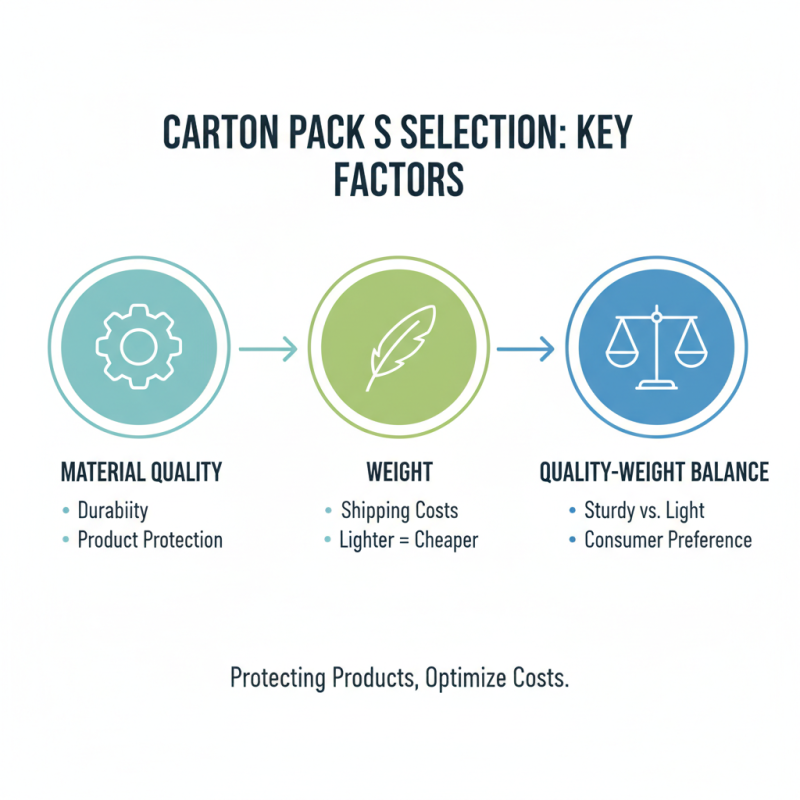
When selecting carton packs, buyers should focus on several key factors. The material quality is essential for durability. Sturdy cartons protect products during transport. Additionally, the weight of the carton impacts shipping costs. Lighter packing often reduces expenses. However, too much lightness may compromise quality. Some consumers prefer a balance here.
Size and shape also influence selection. Standard sizes often fit common products. Yet, customized shapes cater to unique items. This makes the unboxing experience memorable. Buyers should consider storage efficiency. Streamlined shapes save space in warehouses.
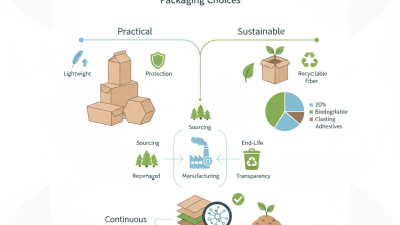
Eco-friendliness is another important aspect. Many are shifting towards sustainable materials. Recyclable and biodegradable options are in demand. However, these choices may lead to higher costs. This creates a dilemma for cost-conscious companies. Buyers need to weigh the benefits versus expenses. Overall, making informed decisions is crucial in the carton pack selection process.
Market Trends Shaping the Global Carton Pack Industry in 2026
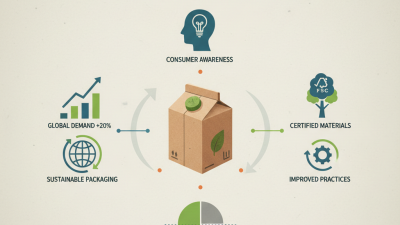
The global carton pack industry is undergoing significant transformations in 2026. Consumer preferences are driving the demand for sustainable packaging solutions. Eco-friendly materials and innovative designs are becoming essential. Brands are investing in biodegradable and recyclable options to meet these expectations.
Tips: Explore local suppliers. They often provide insights into regional preferences and eco-friendly options. Their firsthand experience can guide better purchasing decisions.
Digital technology is reshaping production processes. Automation and smart packaging are on the rise. Companies are embracing AI to enhance efficiency and reduce costs. However, the integration of new technologies can be challenging. Not all companies can keep pace with rapid advancements.
Tips: Stay informed about new technologies. Regularly attend industry webinars and workshops. Engage with experts to understand best practices.
Trends reveal increasing interest in customization. Businesses seek unique packaging designs that stand out on shelves. While this can enhance brand identity, it may also lead to complexities in production. Balancing personalization with efficiency is crucial for success.
Top 10 Carton Packs: Features and Benefits for Buyers
When selecting carton packs, understanding their features and benefits is essential for global buyers.
A well-crafted carton pack can enhance product protection during shipping.
For example, double-walled designs offer superior strength and durability.
These packs can withstand rough handling, reducing the risk of damage.
Buyers often appreciate sustainability as a key feature. Eco-friendly materials and biodegradable options are increasingly popular in the market.
Another crucial aspect of carton packs is customization.
Tailored designs can cater to specific products, ensuring a snug fit. This minimizes movement during transit, which can be a major concern.
Buyers also tend to value lightweight options.
Lighter packs reduce shipping costs and are easier to handle. However, some may find they compromise protection.
It's a delicate balance that requires careful thought.
Cost-effectiveness remains a significant benefit. High-quality packs can save money in the long run.
However, buyers must be vigilant against low-cost alternatives that lack quality. Not all savings are worthwhile.
Selecting a carton pack that meets diverse needs while ensuring reliability can be challenging.
The best choice often requires more than just price comparison. It involves assessing features and long-term impacts.
Sustainability and Innovations in Carton Pack Manufacturing
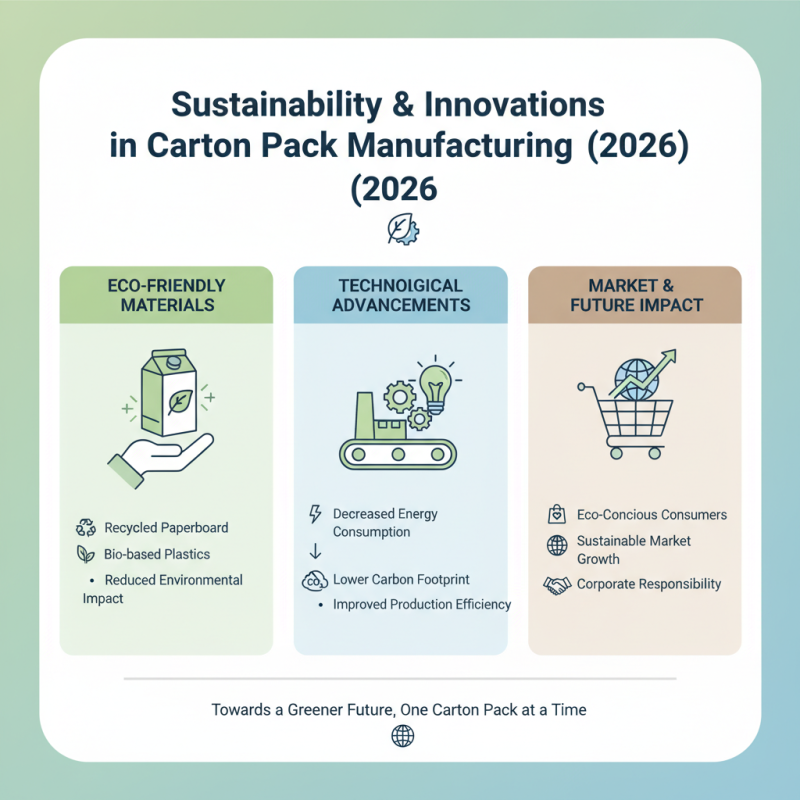
In 2026, carton pack manufacturing is witnessing significant innovations aimed at sustainability. Many companies are exploring eco-friendly materials such as recycled paper and bio-based plastics. These materials reduce environmental impact and cater to an increasingly eco-conscious market. Manufacturers are adopting technologies that decrease energy consumption during the production process. This shift can lead to lower carbon footprints and overall efficiency.
Sustainability measures also involve smart design strategies. Lightweight packaging reduces transportation costs and emissions. Advanced printing techniques allow for vibrant designs without toxic inks. However, some carton packs still lack adequate recycling solutions. This gap can hinder progress towards a circular economy. Continued development is necessary in the areas of biodegradability and reusability.
Looking ahead, collaboration among stakeholders is essential. Producers, retailers, and consumers must work together to prioritize sustainable practices. Education is key in driving awareness about the benefits of choosing eco-friendly products. Ultimately, the industry must reflect on its challenges while embracing innovation. Only then can the carton packaging sector truly thrive in an eco-conscious future.