Best Packaging Corrugated Options for Global Buyers?
As global trade continues to expand, businesses seek effective solutions for their packaging needs. Packaging corrugated materials offer a blend of strength and versatility. This makes them ideal for shipping a variety of goods across long distances. Companies must navigate multiple options to ensure quality and cost-effectiveness.
Understanding the characteristics of packaging corrugated is essential. Not only does it provide protection, but it also supports sustainability efforts. However, selecting the right type can be challenging. Buyers must consider factors such as weight, moisture resistance, and compatibility with their products. With so many choices available, mistakes can occur. A wrong decision could lead to damaged goods or increased shipping costs.
Exploring the best packaging corrugated options can benefit businesses greatly. This task requires expertise and a keen eye for detail. Learning from industry trends and experiences shared by other companies can guide global buyers. Ultimately, investing time in this selection process can yield significant long-term advantages in logistics and product safety.

Understanding Corrugated Packaging: Types and Benefits
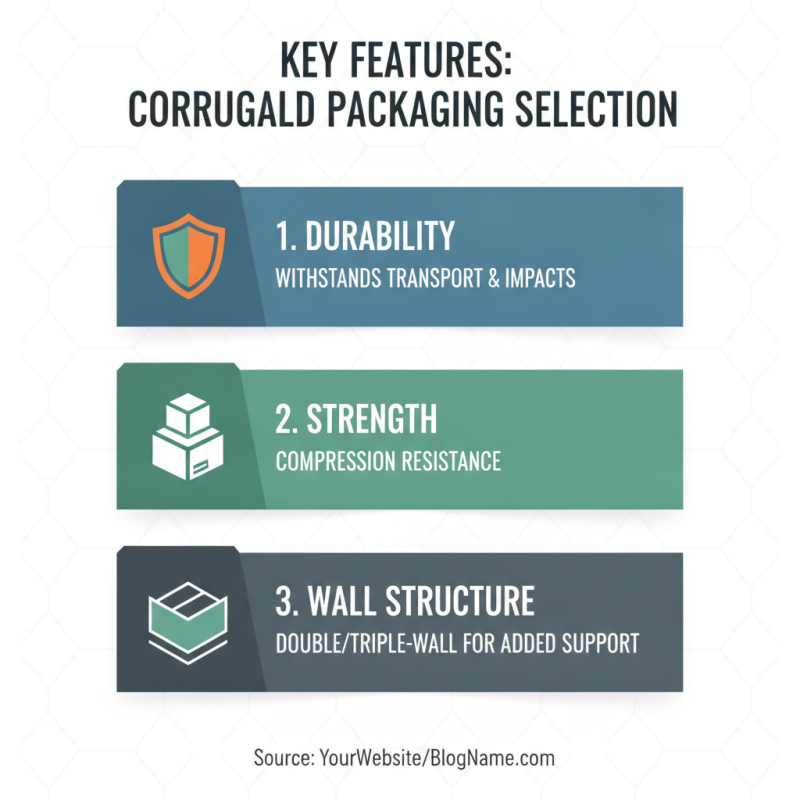
Corrugated packaging plays a crucial role in various industries. Its versatility makes it a preferred choice among global buyers. Different types of corrugated packaging are designed to meet specific needs. There are single wall, double wall, and triple wall options. Each type offers unique strength and durability levels suited for various products.
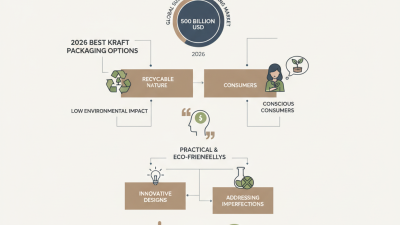
According to a recent industry report, the global corrugated packaging market is projected to reach $500 billion by 2027. This growth is driven by the rise in online shopping and the need for sustainable packaging solutions. Corrugated packaging is not only lightweight but also recyclable, making it environmentally friendly. In an era where sustainability is key, using eco-friendly materials can enhance brand image. However, sourcing materials responsibly remains a challenge for some manufacturers, highlighting the industry's need for improvement.
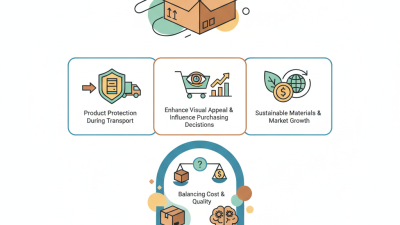
Understanding the benefits of corrugated packaging helps buyers make informed decisions. It provides excellent protection during transportation while remaining cost-effective. Despite its advantages, some businesses struggle to adapt to specific packaging requirements. This may lead to excess waste or inadequate protection. Identifying the right type and sourcing methods is essential for maximizing efficiency and minimizing environmental impact.
Best Packaging Corrugated Options for Global Buyers
This chart displays the percentage usage of various types of corrugated packaging commonly used by global buyers. As shown, Double Wall corrugated packaging is the most popular choice, followed by Single Wall, while Die-Cut and Printed options have a smaller market share.
Sustainable Practices in Corrugated Packaging Production
Sustainable practices in corrugated packaging production are gaining attention worldwide. Many manufacturers are now focused on reducing their environmental impact. This shift is driven by consumers who favor eco-friendly products. Corrugated cardboard is often made from recycled materials, which cuts down on waste. However, the recycling process is not without its challenges.
The production of corrugated packaging must also consider energy usage. Some plants operate on renewable energy, while others still rely on fossil fuels. The transition to sustainable energy sources is slow. Moreover, not all recycled materials are created equal. Quality control can be a struggle, leading to variations in product performance.
Ultimately, the goal is to find a balance between sustainability and functionality. Buyers should be aware of these nuances. By making informed choices, they can support environmentally responsible practices. As the industry evolves, continuous improvement is essential. It’s important to reflect on how current methods impact the planet.
Best Packaging Corrugated Options for Global Buyers - Sustainable Practices in Corrugated Packaging Production
| Material Type |
Recyclability |
Weight (kg/m2) |
Sourcing Region |
Eco Certification |
| Single Wall Corrugated |
Yes |
2.5 |
Asia |
FSC Certified |
| Double Wall Corrugated |
Yes |
3.5 |
North America |
SFI Certified |
| Triple Wall Corrugated |
Yes |
4.5 |
Europe |
PEFC Certified |
| Kraft Paperboard |
Yes |
2.0 |
South America |
FSC Certified |
| Recycled Corrugated |
Yes |
2.8 |
Global |
Cradle-to-Cradle Certified |
Global Trends Influencing Corrugated Packaging Choices
The landscape of corrugated packaging is evolving rapidly. Trends show an increasing demand for sustainable options. A recent report indicated that 75% of buyers prioritize eco-friendly materials. This shift illuminates a broader consumer consciousness about environmental impact.
Emerging markets are driving innovation in design and functionality. In Asia-Pacific, for instance, growth rates in corrugated packaging are projected to exceed 5% annually. Buyers seek lightweight packaging that reduces shipping costs. This is a challenge, as lightweight materials must still provide strong protection.
Digital printing technology is reshaping how brands use packaging. Customization options allow for unique designs that enhance shelf appeal. However, many companies face the dilemma of balancing quality and cost. The need for eye-catching designs often conflicts with budget constraints. Future strategies must address these challenges to meet both consumer demands and operational viability.
Comparative Analysis of Corrugated Packaging Suppliers Worldwide
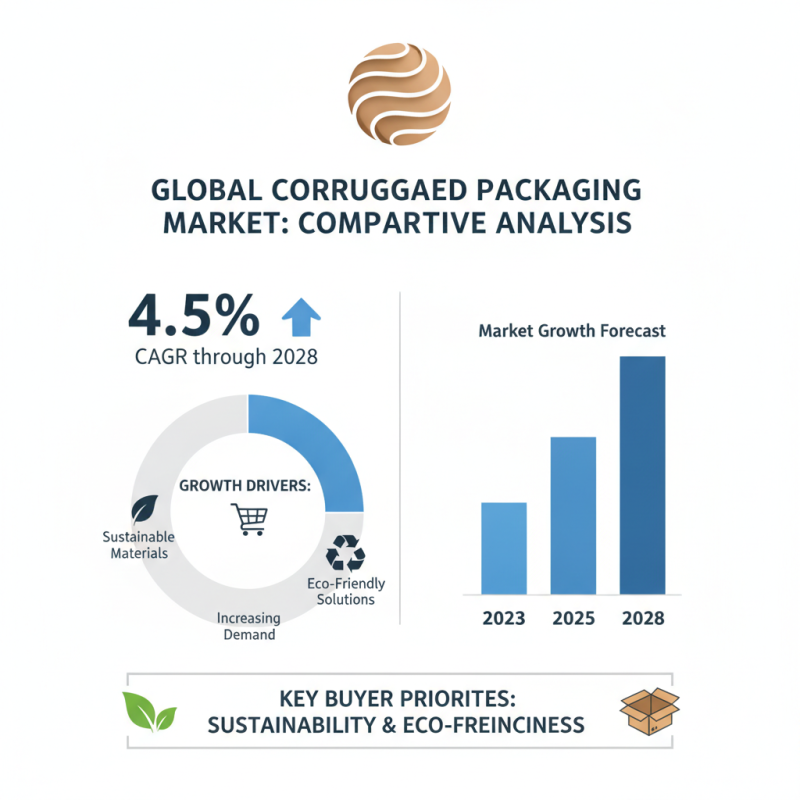
The demand for corrugated packaging is rising globally. According to recent market reports, the industry is expected to grow at a CAGR of 4.5% through 2028. This growth stems from the increasing need for sustainable packaging solutions. Buyers are seeking suppliers that prioritize eco-friendly materials, which align with global sustainability goals.
A comparative analysis of corrugated packaging suppliers reveals varying strengths across regions. For instance, North American suppliers excel in technological innovations, offering solutions like smart packaging. Meanwhile, Asia-Pacific suppliers often lead in cost-effectiveness and production capacity. However, not all suppliers meet quality benchmarks consistently, raising doubts about service reliability.
Research indicates that 30% of buyers express dissatisfaction with after-sales service from their suppliers. This gap points to a need for better communication and transparency in the supply chain. Additionally, fluctuating raw material prices can affect both production efficiency and customer satisfaction. Companies must reflect on these challenges to enhance supply chain resilience and improve overall service quality.