How to Choose the Best Kraft Packaging for Your Business in 2026?
As we approach 2026, the importance of selecting the right Kraft Packaging for businesses grows significantly. Industry expert Sarah Thompson, a leading consultant in sustainable packaging solutions, stated, "The choice of packaging can either elevate or hinder your brand's image." Choosing Kraft Packaging is not just about aesthetics; it's about functionality and sustainability.
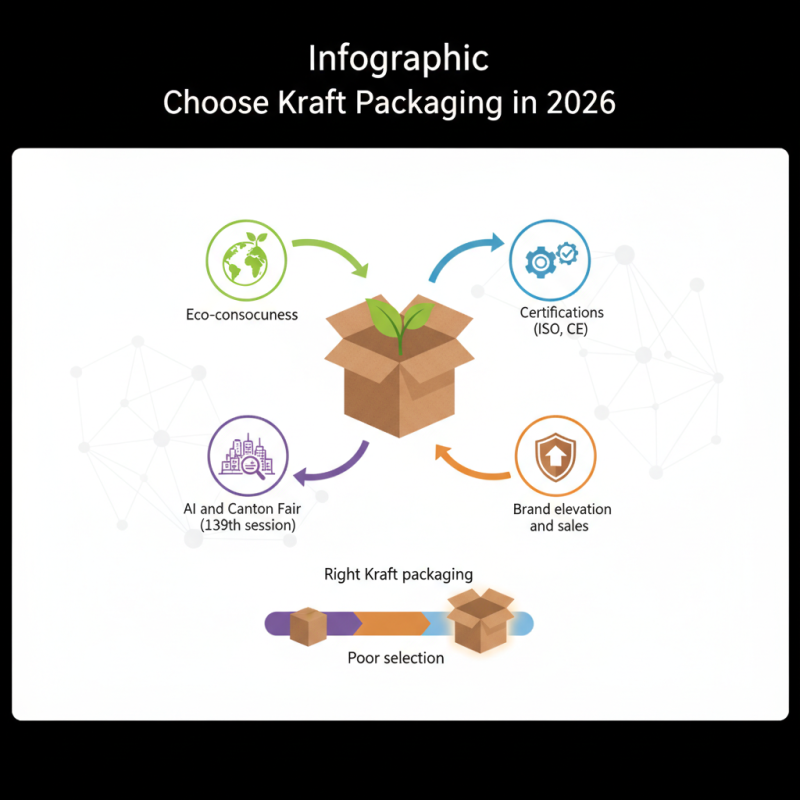
In a world where consumers are increasingly eco-conscious, Kraft Packaging aligns with environmental values. However, making the right choice requires careful consideration. Businesses must ensure their selected packaging meets necessary certifications, like ISO and CE, to maintain credibility.
Additionally, the 139th Canton Fair in 2026 introduces innovative technologies like AI for smart navigation, which significantly enhances the procurement process. Companies must navigate this vast exhibition space carefully to find suppliers who offer quality Kraft Packaging solutions. A poor selection may impact brand perception and sales. Ultimately, the right Kraft Packaging can set a business apart, but careful thought is required in the decision-making process.
Understanding the Importance of Kraft Packaging for Your Business
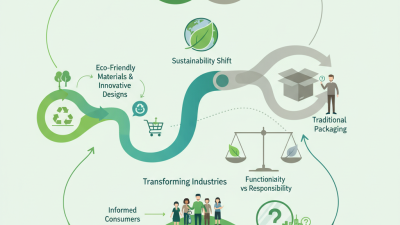
Kraft packaging plays a crucial role in the success of modern businesses. It's not just about protecting products; it's about making a statement. Kraft paper has a natural, rustic look. This aesthetic appeals to customers who value sustainability. Kraft packaging is biodegradable and recyclable. This offers a green alternative that many consumers prefer today.
When choosing Kraft packaging, consider your brand's identity. Does your packaging reflect your values? If you emphasize eco-friendliness, Kraft materials are key. This type of packaging can enhance your brand image. It's simple yet effective. Customers often remember brands that care.
Here are a few tips for selecting Kraft packaging:
- Assess your product dimensions. Choose sizes that fit snugly. This avoids damage during shipping.
- Think about printing techniques. Eco-friendly inks are available. They add personality without harming the planet.
- Test different thicknesses. A sturdy option prevents tearing during handling.
Kraft packaging connects with customers. It tells them you care about quality. Opt for it, but remember to reflect on your choices. Each decision impacts how your brand is perceived.
Key Factors to Consider When Selecting Kraft Packaging Materials
Choosing the right Kraft packaging for your business is essential in 2026. It goes beyond just aesthetics. The choice of material impacts your brand’s sustainability efforts. A recent industry report indicates that 72% of consumers prefer eco-friendly packaging. This trend can influence your packaging decisions significantly.
When selecting Kraft packaging materials, consider these key factors. Analyze your product's weight and dimensions. The thickness of the Kraft paper can vary. Remember, proper thickness ensures product safety during transit. Additionally, the weight of the packaging influences shipping costs. It’s crucial to balance durability and cost-effectiveness.
Tip: Always opt for recyclable materials. They enhance your brand image and attract environmentally-conscious customers. Research shows 65% of buyers are willing to pay more for sustainable packaging. Test different styles of Kraft packaging. This experimentation can lead to unexpected and innovative solutions. Reflect on customer feedback to refine your choices further.
How to Choose the Best Kraft Packaging for Your Business in 2026? - Key Factors to Consider When Selecting Kraft Packaging Materials
| Factor |
Description |
Importance Level |
| Material Quality |
The durability and strength of the kraft paper used for packaging. |
High |
| Sustainability |
Environmental impact and recyclability of materials. |
Very High |
| Cost |
Overall expense involved in sourcing and producing kraft packaging. |
Medium |
| Customizability |
Ability to tailor packaging designs to brand specifications. |
High |
| Supply Chain Reliability |
Consistency of supply and delivery times from manufacturers. |
High |
| Brand Alignment |
How well the packaging reflects the overall brand image. |
Medium |
Evaluating Sustainability and Environmental Impact of Kraft Packaging
Sustainability is becoming essential in packaging choices for businesses. Kraft packaging offers an eco-friendly option. Made from recycled materials, it's biodegradable. This attribute helps reduce environmental impact.
However, businesses must also consider sourcing. Not all Kraft paper is created equal. Some production processes are harmful. Companies should evaluate the entire supply chain. Are the materials ethically obtained? Are the manufacturing practices sustainable?
Additionally, Kraft packaging can have varying levels of durability. Thinner options may not provide adequate protection. This could lead to waste if products get damaged in transit. Balancing strength with sustainability is challenging. Businesses need to assess their specific needs carefully. Every choice they make can have lasting consequences on the planet.
Customizing Kraft Packaging for Branding and Customer Experience
Customizing Kraft packaging can significantly enhance your branding and customer experience. It offers a unique, eco-friendly appeal that resonates with many consumers today. By choosing the right design, colors, and messaging, you create a powerful connection. This connection not only builds brand recognition but also fosters loyalty.
Consider incorporating personalized printed elements. This may include your logo, unique patterns, or even a heartfelt message. Simple changes can make your packaging stand out. A well-placed design can evoke emotions and expectations. But it’s easy to get carried away. Too much information or clutter can confuse your customer. Aim for a balance between aesthetics and clarity.
Reflect on materials as well. Kraft paper is versatile, strong, and biodegradable. However, not every option is right for your product. Evaluate how well your packaging protects its contents. Test durability during transportation and storage. These practical considerations are essential for success. By focusing on both branding and practicality, you can effectively enhance the overall customer experience.
Analysis of Kraft Packaging Trends in 2026
Future Trends in Kraft Packaging for 2026 and Beyond
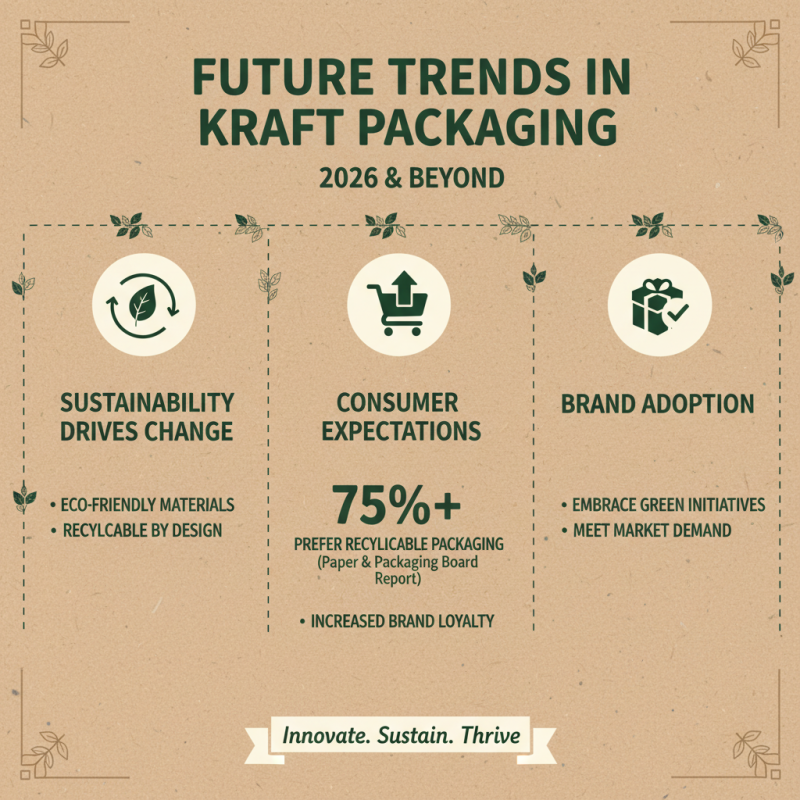
As we approach 2026, kraft packaging is set to evolve significantly. The push towards sustainability is reshaping consumer expectations. A recent report from the Paper and Packaging Board notes that over 75% of consumers prefer recyclable packaging. Brands that embrace this trend may find increased loyalty.
Transparency is also becoming crucial. Consumers want to know the origin of materials. A survey indicated that 82% of respondents would support brands sharing this information. This could create opportunities for businesses to educate their audience on their supply chain. However, not all brands are ready to take this step, leading to potential trust issues.
Innovation in design is vital for crafting an appealing product. Retailers report that 61% of shoppers base their purchase decisions on packaging aesthetics. However, balancing sustainability with visual appeal can be challenging. Brands should explore unique textures and finishes without sacrificing eco-friendliness. Crafting perfect packaging might be a moving target, but the focus should remain on both functionality and consumer engagement.