How to Choose the Best Packaging Printing for Your Business Needs?
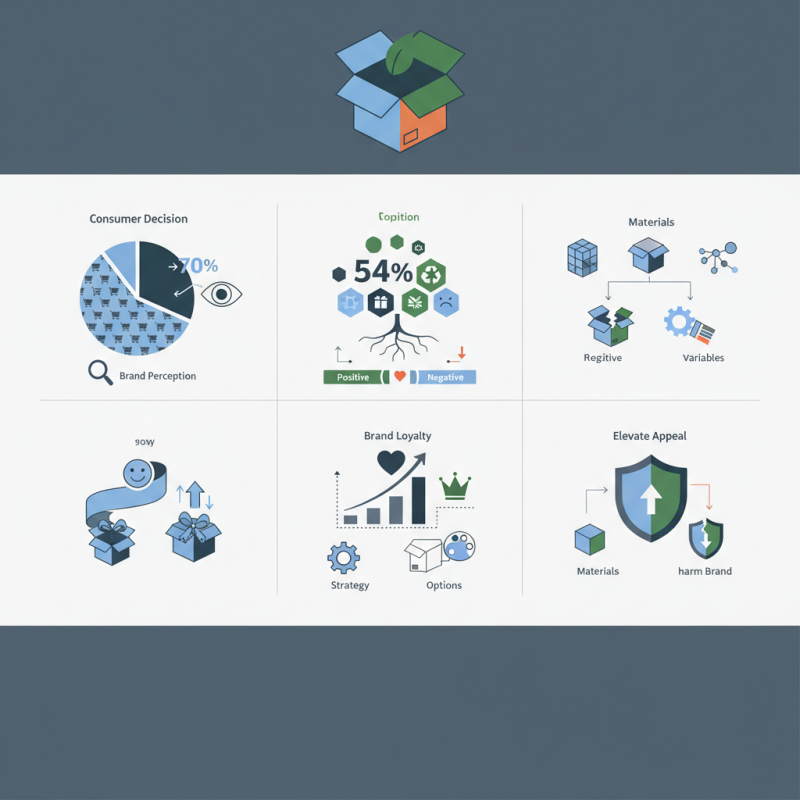
Choosing the right packaging printing is vital for businesses. According to a recent industry report, nearly 70% of consumers make purchasing decisions based on packaging alone. Packaging printing influences brand perception significantly. It is not just about aesthetics; functionality and sustainability play key roles too.
In an era where 54% of consumers prefer eco-friendly packaging, businesses must adapt. The details matter. A well-designed package can enhance user experience and trigger buying impulses. Conversely, poor packaging can lead to negative impressions. For instance, flimsy materials can communicate low quality.
Data suggests that effective packaging can boost brand loyalty. However, many businesses overlook the importance of a packaging printing strategy. Choosing the right materials and printing techniques can elevate a product's appeal. Evaluating your options is essential. There are many variables to consider, and a misstep can harm your brand.
Understanding Your Packaging Needs and Goals
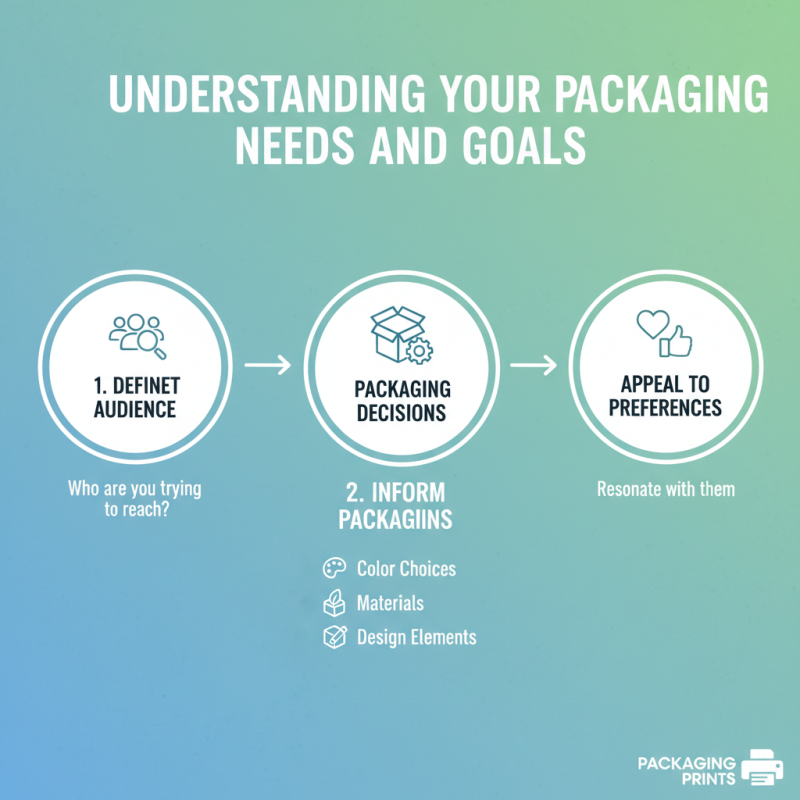
When selecting packaging printing, it’s crucial to understand your specific needs and goals. This clarity will directly inform your decisions. Start with defining your target audience. Who are you trying to reach? Tailor your packaging to appeal to their preferences. This might involve color choices, materials, or even design elements that resonate with them.
Another key consideration is the type of product you’re packaging. Different products require different packaging solutions. For instance, fragile items need more protective materials, while food products have specific safety requirements. Assess what is most essential for your product’s integrity and visual appeal.
**Tips:**
Consider sustainability in your packaging choice. Eco-friendly options can attract environmentally conscious consumers. Get feedback from your audience on packaging designs. This input can reveal what works and what doesn’t. Always test prototypes before finalizing your design. Small adjustments can make a big difference in consumer perception.
Exploring Different Types of Packaging Printing Options
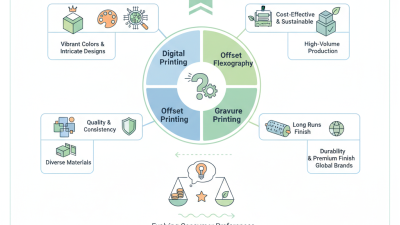
Packaging printing is crucial for business visibility. Different options cater to diverse needs. Digital printing is popular for short runs. It offers flexibility and quick turnaround times. This method works well for businesses needing customization. However, the cost per unit can be high for larger volumes.
Offset printing remains a classic choice for larger orders. It delivers consistent quality and excellent color reproduction. This method is ideal for high-volume projects like brochures and labels. While it requires a larger initial investment, the per-unit cost decreases significantly. Consider the setup time as well; it can delay your project.
Flexographic printing suits various materials. It excels in packaging like labels and bags. Its speed is impressive, making it a favorite for high-volume runs. However, color limitations may impact your design choices. Evaluate your priorities before deciding. Reflecting on your specific needs will help you make an informed choice.
Evaluating Quality and Material for Durability and Appeal
Choosing the right packaging printing requires careful consideration of both quality and material. Durable materials ensure that products are protected during transit. This protection is vital for maintaining the integrity of the contents. For instance, corrugated cardboard and sturdy plastics can withstand damage better than flimsy options. The choice of material also affects the overall look of packaging, which reflects your brand's identity.
Aesthetic appeal matters significantly in packaging. A well-designed package draws customers' attention on the shelf. However, achieving the perfect balance between durability and visual appeal can be challenging. For example, using vibrant inks can enhance attractiveness. Yet, if the ink smears or fades easily, it undermines quality. It's essential to choose inks that are both eye-catching and durable to ensure longevity.
Evaluating suppliers is equally crucial. Look for established companies with a track record in the industry. Reading reviews can reveal patterns in their service quality. However, relying solely on ratings can be misleading. Going beyond the surface and seeking direct feedback from other businesses can provide more reliable insights. This approach fosters informed decisions, ensuring packaging aligns with your brand ethos and customer expectations.
Packaging Material Quality Evaluation
This bar chart evaluates the durability ratings of various packaging materials commonly used in businesses. Each material is scored on a scale from 1 to 10, with 10 representing the highest durability.
Cost Considerations: Budgeting for Packaging Printing
When budgeting for packaging printing, you must consider multiple factors. The choices you make directly impact both aesthetics and costs. Quality materials often come at a higher price. However, cheaper options might lead to unsatisfactory results. It’s essential to strike a balance between cost and quality. Reflect on your specific needs. What does your product require?
Another critical point is printing techniques. Different methods have varying price ranges. Digital printing can be great for small runs, but traditional methods often offer cost benefits at scale. Think about your order volume. A low quantity may not justify high initial costs. But larger orders may present savings opportunities. Sometimes, unexpected expenses arise. Hidden fees can pop up in the process, like setup costs.
Lastly, consider revisions. They can lead to extra charges and extend timelines. While pursuing the perfect design, ensure you allocate enough time for edits and proofs. It's easy to overlook this aspect. Balancing quality and budget requires careful thought. Your packaging is a reflection of your brand; investing wisely is crucial for long-term success.
How to Choose the Best Packaging Printing for Your Business Needs? - Cost Considerations: Budgeting for Packaging Printing
| Packaging Type |
Material Cost ($ per unit) |
Printing Cost ($ per unit) |
Minimum Order Quantity |
Lead Time (days) |
| Cardboard Box |
0.50 |
0.30 |
100 |
10 |
| Plastic Bag |
0.10 |
0.05 |
500 |
5 |
| Glass Bottle |
0.80 |
0.45 |
200 |
15 |
| Tin Can |
0.65 |
0.25 |
300 |
12 |
| Flexographic Label |
0.02 |
0.03 |
1000 |
7 |
Choosing the Right Vendor for Your Packaging Solutions
Choosing the right vendor for your packaging solutions significantly impacts your business. A vendor’s
reliability,
expertise, and quality of service can make or break your product’s market presence. According to a recent
report from Smithers Pira, the packaging industry is expected to grow to $500 billion
by 2025. This growth underscores the importance of choosing a vendor that can keep up with evolving
industry standards.
When evaluating potential vendors, assess their experience in your specific packaging requirements. A
supplier should offer custom solutions tailored to your needs, not one-size-fits-all products.
Look for vendors with a proven track record in producing high-quality materials
and innovations. A study by Grand View Research highlights that over 60% of businesses value
sustainability in packaging. Therefore, it's essential to partner with vendors committed to
eco-friendly practices.
Consider the reliability of your potential partner. A firm that
frequently misses deadlines can disrupt your supply chain. Communication
is vital. Establishing clear channels fosters collaboration and minimizes misunderstandings. Be aware that not
all vendors will meet your expectations. Some may promise quick turnarounds but deliver compromised quality.
Evaluate their portfolio and customer reviews carefully to ensure a good fit.