What is a Corrugated Box Maker and How Do They Work?
In the packaging industry, a Corrugated Box Maker plays a vital role. These manufacturers specialize in creating boxes made from corrugated fiberboard. This unique material is known for its durability and lightweight properties. It protects goods during shipping and storage.
The process of making corrugated boxes involves several steps. First, raw materials such as paper and glue are gathered. Then, they undergo a series of transformations. Cutting, shaping, and assembling follow. Each step requires precision and attention. Any mistake can lead to waste or weakened boxes.
Understanding the work of a corrugated box maker is essential. Their craftsmanship ensures products arrive intact. However, not all makers implement eco-friendly practices. Reflection on this issue is crucial. Sustainable methods can enhance their industry reputation. Balancing efficiency with environmental responsibility is necessary for progress.
Definition and Overview of Corrugated Box Makers
A corrugated box maker specializes in producing sturdy packaging solutions. These boxes consist of a fluted corrugated sheet sandwiched between two liners. This structure gives them strength and durability, making them ideal for shipping a wide range of products. According to industry reports, the global corrugated packaging market is projected to reach $300 billion by 2026. The flexibility of design allows manufacturers to cater to various client needs, from custom sizes to diverse printing options.
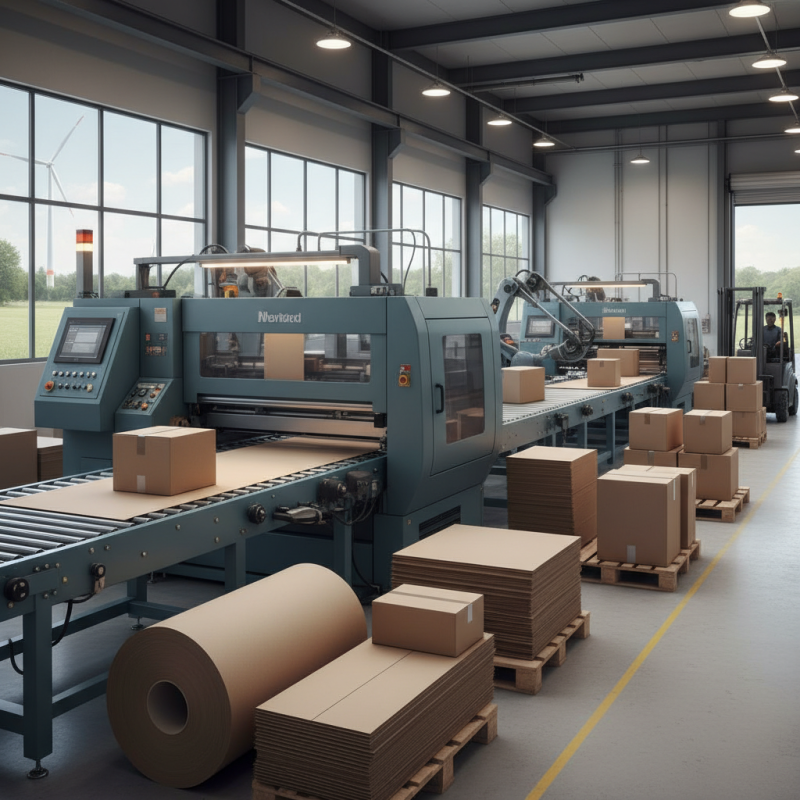
When understanding how corrugated box makers function, it's essential to recognize their machinery. They use advanced equipment for cutting, folding, and gluing. This precision ensures that each box meets strict quality standards. However, the process can sometimes lead to waste if not monitored closely. Addressing inefficiencies can save materials and costs.
Tip: Regularly evaluate production processes to minimize waste. Streamlined operations can enhance productivity and reduce costs.
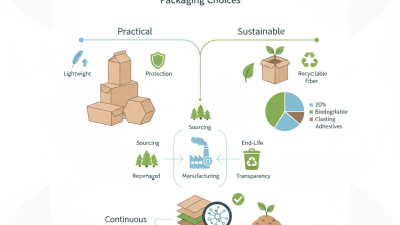
Sustainability is also a growing focus. More manufacturers are shifting towards environmentally friendly materials. Many corrugated boxes are recyclable and made from recycled content. However, not all companies prioritize this aspect, leading to a mixed impact on environmental efforts.
Tip: Consider the environmental impact when selecting materials. Sustainable practices can improve brand image and conserve resources.
The Manufacturing Process of Corrugated Boxes
Corrugated boxes are essential in many industries. The manufacturing process involves several steps to create sturdy, lightweight packaging. First, manufacturers start with large rolls of paper. This paper is then processed to form layers. The creation of fluted paper is crucial. This fluting provides strength and insulation. According to industry reports, over 80% of all product shipments use corrugated boxes.
The bonding of layers occurs next. Adhesives are applied to bond the linerboard and fluting. This ensures durability during transportation. After this, the sheets are cut into the required box sizes. Finally, boxes are folded and glued. This process makes assembly easier for packaging lines.
**Tip:** Always consider the box size for your products. A well-fitted box reduces wastage and saves costs.
The manufacturing of corrugated boxes is not without challenges. Waste material management is often an issue. Many factories work on optimizing recycling processes. Improvements in technology can lead to better efficiency. Reducing energy costs also remains a significant goal.
**Tip:** Regularly review your supply chain for potential improvements. Small adjustments can lead to considerable savings.
Types of Materials Used in Corrugated Box Production
Corrugated boxes are essential for packaging. The production process involves various materials that contribute to their strength and durability. These materials play significant roles in the functionality of the boxes. The most common material used is linerboard. It offers a smooth surface for printing. Recycled paper is frequently utilized. It is cost-effective and environmentally friendly.
Another crucial component is the flute. This is the wavy layer between the linerboards. Flutes come in different sizes. They provide cushioning and strength to the box. The choice of flute size impacts the box's ability to hold weight. A larger flute provides more cushioning but uses more material.
There are challenges in material selection. Not all materials are suitable for every purpose. Sometimes, using cheaper materials compromises quality. Striking a balance between cost and durability is essential. Additionally, moisture resistance is also a concern. Materials must be chosen with regard for their intended use. Each choice can affect shipping, storage, and end-user experience. Many still overlook these factors, leading to unexpected failures.
Materials Used in Corrugated Box Production
Common Applications and Uses of Corrugated Boxes
Corrugated boxes are essential in packaging and shipping. They are widely used in various industries. In fact, the corrugated box market is projected to reach $200 billion by 2027, according to industry reports. These boxes are favored for their strength and lightweight nature. They protect products during transportation, reducing damage and cost.
Common applications include retail packaging, food transportation, and electronics shipping. Their versatility is unmatched. For example, the food industry utilizes corrugated boxes for fresh produce and frozen goods. A study showed that over 70% of food products are shipped in corrugated containers. In electronics, these boxes safeguard fragile items, minimizing breakage risks during transit.
However, there are challenges. Sustainable practices are increasingly important. The demand for recyclable materials is rising. Many manufacturers are now experimenting with eco-friendly designs. While progress is being made, not all corrugated boxes meet environmental standards. This area requires ongoing reflection and improvement to meet future needs.
What is a Corrugated Box Maker and How Do They Work? - Common Applications and Uses of Corrugated Boxes
| Dimension |
Description |
Common Uses |
| Material |
Made from recycled paper materials, primarily consisting of three layers: linerboard and fluting. |
Eco-friendly packaging solutions, Retail product packaging. |
| Manufacturing Process |
Corrugated boxes are created by pressing together moist fibers, typically cellulose pulp derived from wood, rags, or grasses. |
Shipping, Storage solutions, Moving boxes. |
| Strength |
Designed to withstand weight and pressure, with varying flute profiles providing different levels of strength. |
Heavy-duty shipping, Protecting fragile items. |
| Customization |
Available in various sizes, shapes, and printing options for branding purposes. |
Retail packaging, Promotional materials. |
| Sustainability |
Recyclable and often made from recycled materials, contributing to a circular economy. |
Eco-friendly shipping solutions, Sustainable retail practices. |
Innovations and Trends in the Corrugated Box Industry
The corrugated box industry is undergoing significant changes. Companies are focusing on sustainability. This includes using recycled materials and reducing waste. Innovations in printing technology are also prominent. Digital printing allows for customization and faster production. This meets the growing demand for personalized packaging solutions.
Furthermore, automation plays a crucial role. Many manufacturers are adopting advanced machinery. This improves efficiency and reduces labor costs. However, the transition to automated systems can be challenging. Not all workers can adapt quickly to new technologies. This may lead to temporary job losses, sparking debates about the future workforce.
There’s also a growing emphasis on design innovation. Brands are looking for unique packaging that stands out. Well-designed boxes not only attract customers but also enhance product protection. Some companies experiment with shapes and structural integrity. Yet, not all designs succeed. Many fail to provide the expected functionality, warranting further exploration.