What is a Corrugated Cardboard Roll and Its Uses?
In today's packaging industry, the significance of the "Corrugated Cardboard Roll" cannot be overlooked. Experts like Dr. Emily Carter, a leading figure in sustainable packaging solutions, emphasize its versatility. She states, "Corrugated Cardboard Rolls are essential for modern packaging needs." This material is not only lightweight but also highly durable, making it ideal for various applications.
Often found in warehouses, these rolls serve multiple purposes. From protecting products during transit to acting as a base for signage, their utility is vast. However, despite their advantages, many businesses still underestimate their potential. There’s a need for greater awareness about efficient usage.
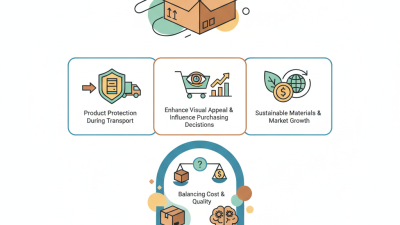
Companies must reflect on their packaging strategies. Are they maximizing the benefits of the Corrugated Cardboard Roll? Adopting better practices can lead to significant improvements. This could enhance product protection while promoting environmental responsibility. In a world seeking sustainable solutions, it's time for industries to embrace this innovative packaging option fully.

What is a Corrugated Cardboard Roll?
A corrugated cardboard roll is a versatile product in packaging and shipping. It consists of a wavy, fluted layer sandwiched between two flat sheets. This design enhances strength, making it ideal for protecting various items during transport. In 2022, the global demand for corrugated packaging was valued at approximately $300 billion and is expected to grow steadily in the coming years.
These rolls serve multiple uses across industries. In retail, they are often used to create custom packaging solutions. Brands increasingly choose corrugated rolls for their sustainability; about 70% of corrugated products are made from recycled materials. They are easy to cut, fold, and design, allowing for endless possibilities in packaging creativity. Additionally, their lightweight nature helps reduce shipping costs.
Despite their advantages, challenges remain. Not all products fit well in standard-size rolls. Custom sizes can inflate production costs. Additionally, when not properly stored, these rolls can become damaged or lose structural integrity. Careful handling and storage are essential for maintaining their effectiveness in protecting goods. Balancing cost and functionality is important but often overlooked.
The Structure and Composition of Corrugated Cardboard Rolls
Corrugated cardboard rolls are fascinating structures. They consist of three layers: an inner liner, an outer liner, and a fluted medium. The fluted medium is what gives the roll its strength. This unique structure helps to distribute weight evenly. It also provides a cushion effect. For packaging and shipping, this is crucial.
The composition of corrugated cardboard rolls typically includes recycled paper. This makes it a sustainable packaging option. However, not all rolls are created equal. Some may lack the durability needed for certain applications. The thickness of the liners and the flute type can vary. This affects performance. It’s essential to choose the right type for specific needs.
In practical use, these rolls are often seen in various industries. They are commonly used for storing products, creating displays, and much more. Sometimes, they are overlooked in favor of plastic alternatives. This raises questions about sustainability and waste. The versatility of corrugated cardboard rolls deserves more attention. It presents an opportunity for improvement and creativity in packaging solutions.
Common Applications of Corrugated Cardboard Rolls in Packaging
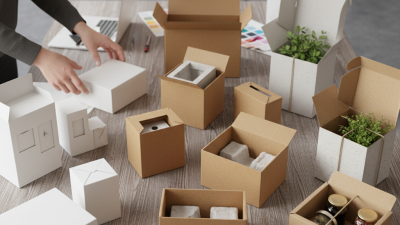
Corrugated cardboard rolls are versatile in the packaging industry. They are lightweight yet sturdy. This makes them ideal for various products. Many businesses use them for shipping and storing items. The rolls provide excellent protection against damage.
One common application is in the furniture industry. Manufacturers wrap finished products in these rolls. This helps prevent scratches and dents during transportation. Art and craft industries also benefit. Artists often use these rolls for creating large-scale installations. They cut and shape the cardboard as needed.
Another area of use is in moving supplies. People moving homes prefer corrugated rolls for wrapping fragile items. These rolls can fit awkward spaces and cushion breakable goods. While they are effective, some may find them less eco-friendly. Recycling options should always be considered. The journey towards sustainability requires reflection on our choices.
Common Applications of Corrugated Cardboard Rolls in Packaging
Advantages of Using Corrugated Cardboard Rolls
Corrugated cardboard rolls are essential in various industries, offering unique benefits that enhance packaging efficiency. According to industry reports, the global corrugated cardboard market is projected to reach $400 billion by 2025. This indicates a growing reliance on such materials for sustainable packaging solutions.
One significant advantage of using corrugated cardboard rolls is their lightweight nature. This leads to reduced shipping costs. Companies save money while minimizing their carbon footprint. Additionally, they are recyclable, aligning with environmental goals. Research shows that up to 70% of consumers favor companies that prioritize sustainability.
**Tip:** When using corrugated rolls, consider the right thickness for your products. Thicker materials provide better protection but can add weight.
Another key benefit is their versatility. Corrugated rolls can be customized for different shapes and sizes. This flexibility meets diverse packaging needs across sectors, from food to electronics. However, companies must be cautious. Not every product is suited for corrugated packaging. Proper testing is crucial to avoid damage.
**Tip:** Always conduct a durability test before finalizing packaging prototypes. This saves time and money in the long run.
What is a Corrugated Cardboard Roll and Its Uses? - Advantages of Using Corrugated Cardboard Rolls
| Dimension |
Use Case |
Advantages |
| 40 inches x 100 yards |
Packaging materials for large items |
Lightweight and cost-effective |
| 30 inches x 50 yards |
Shipping boxes and containers |
Durable and reliable for shipping |
| 24 inches x 75 yards |
Art and craft projects |
Versatile and easy to cut |
| 48 inches x 200 yards |
Industrial packaging solutions |
Environmentally friendly and recyclable |
| 36 inches x 30 yards |
Retail display and presentation |
Attractive appearance and customization |
Environmental Impact and Recycling of Corrugated Cardboard Rolls
Corrugated cardboard rolls are often overlooked in discussions about sustainability. These rolls are made from recycled materials, making them a more eco-friendly option. Their production process uses less energy compared to other materials. However, not all corrugated cardboard is recycled effectively.
Recycling corrugated cardboard rolls entails separating them from other waste. This separation can be overlooked in busy environments like warehouses. If not managed well, valuable materials end up in landfills. This can harm the environment. Tips for better recycling include creating separate bins for paper products and educating staff about proper disposal.
It’s important to note that even recycled cardboard poses challenges. Sometimes contaminants can lower the quality of recycled products. So, as consumers, we must stay informed and proactive about our waste. Before disposing of cardboard, consider reusing it for packaging or crafts. Every small effort counts toward a healthier planet.