What is a Corrugated Cardboard Roll and Its Uses?
Corrugated Cardboard Rolls are vital in various industries. They provide efficient packaging solutions. An expert in the field, Dr. Jane Thompson, remarks, "Corrugated Cardboard Rolls are a game changer for eco-friendly packaging." Her insights highlight the significance of this product.
These rolls are known for their durability and lightweight nature. They can be easily shaped to fit different products. For instance, in the manufacturing sector, they protect items during shipping. Retailers also use them for creating custom displays. However, not all businesses understand the full potential of Corrugated Cardboard Rolls.
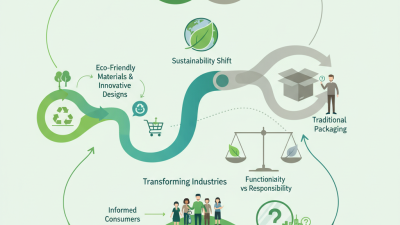
Many might overlook their sustainability aspect. Producing them requires less energy than plastic packaging. Yet, some companies still prefer traditional methods. Reflecting on this, we see a gap in awareness and innovation. The Corrugated Cardboard Roll offers extensive benefits, but further exploration can lead to greater efficiencies and sustainability in packaging.
What is Corrugated Cardboard Roll?
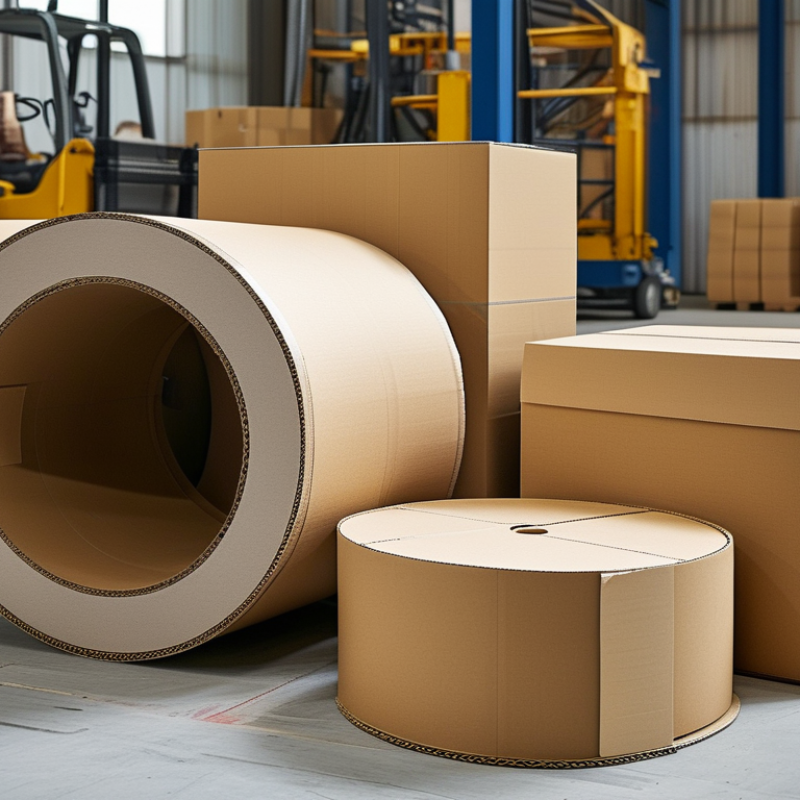
Corrugated cardboard rolls are versatile products made from layered paper. They boast a wavy inner layer, offering strength and resilience. This structure allows for better cushioning and protection of goods during transit. Their lightweight nature makes them easy to handle and store, which is essential for businesses and packaging needs.
Industries utilize corrugated cardboard rolls for various applications. They can serve as protective packaging, reducing damage during shipping. Manufacturers often use them to create custom-sized boxes or inserts, adapting to their unique product requirements. Some businesses find these rolls useful for crafting, displaying, and even insulation purposes due to their thermal properties.
One challenge lies in the recycling process. While corrugated cardboard is eco-friendly, contamination can impede its recyclability. Maintaining clean usage and disposal practices is critical. Many organizations face difficulties in training staff to handle these materials correctly.
Improving these processes can elevate the effectiveness of cardboard use, benefiting both the environment and the economy.
Composition and Structure of Corrugated Cardboard
Corrugated cardboard is a widely used material known for its strength and versatility. The structure of corrugated cardboard typically consists of three layers: an inner fluted layer sandwiched between two flat liners. This design creates a lightweight yet sturdy material. The flutes provide space and rigidity, making it ideal for packaging. The combination of materials also offers insulation and protection against moisture.
One interesting aspect of corrugated cardboard is its recyclability. The composition allows it to be reused and repurposed efficiently. This contributes positively to environmental sustainability. However, not all types of corrugated cardboard can be recycled, and it's essential to check local recycling guidelines.
Tips: When using corrugated cardboard, ensure it is clean and dry for recycling purposes. This helps maintain quality in the recycling process. Consider using it for craft projects or storage solutions, as its sturdy nature can support various uses. Don’t overlook the potential of upcycling, as even damaged pieces can be creatively transformed. Adapting these materials can lead to resourceful solutions while minimizing waste.
Common Uses of Corrugated Cardboard Rolls in Packaging
Corrugated cardboard rolls are versatile materials widely used in packaging applications. These rolls are made of layered cardboard, offering durability and protection for various products. According to a report from Smithers Pira, the global market for corrugated packaging is expected to reach $400 billion by 2024. This reflects a growing trend in sustainable packaging solutions, where corrugated cardboard plays a crucial role.
The common uses of corrugated cardboard rolls include protective wrapping and interlayer cushioning in shipping. These rolls are often used to create custom-sized boxes, reducing waste and improving efficiency. Studies indicate that using corrugated cardboard as protective packaging can reduce damage rates by up to 25%. This is particularly valuable for e-commerce businesses, where product integrity is essential after transit.
However, despite the advantages, there are challenges. The production process can leave behind a carbon footprint if not managed properly. Additionally, not all corrugated products are recyclable, which can raise concerns for environmentally conscious consumers. It is essential for suppliers to focus on sourcing sustainably produced materials to minimize negative environmental impacts while meeting customer needs.
Advantages of Using Corrugated Cardboard Rolls
Corrugated cardboard rolls are versatile packaging solutions widely used in various industries. Their unique construction includes layers of paper, providing strength and flexibility. This allows them to withstand pressure and protect contents effectively. Businesses often favor these rolls due to their lightweight nature, making them easier to handle and transport.
One significant advantage of using corrugated cardboard rolls is their eco-friendliness. They are made from renewable resources and are recyclable. This can help companies reduce their carbon footprint. Additionally, they offer excellent cushioning properties. This minimizes damage during shipping and storage. Some might overlook the importance of proper sizing. If the roll is too large or small, it can lead to waste and inefficiency.
Cost-effectiveness is another critical benefit. These rolls are generally less expensive than alternative packaging materials. Their durability and reusability further enhance their appeal. It's essential, however, to consider storage space. Large rolls can take up considerable room. Planning for adequate storage is necessary for businesses to avoid disorder. Not all companies fully realize the potential of corrugated cardboard rolls. The opportunities for creative packaging designs using them are vast, yet often untapped.
What is a Corrugated Cardboard Roll and Its Uses? - Advantages of Using Corrugated Cardboard Rolls
| Dimension |
Description |
Uses |
Advantages |
| Single Wall |
Consists of one layer of fluted paper sandwiched between two liners. |
Ideal for packaging lighter items. |
Cost-effective and lightweight. |
| Double Wall |
Features two layers of fluted paper with three liners. |
Used for heavier products and shipping. |
Higher strength and better cushioning properties. |
| Roll Width |
Available in various widths, typically ranging from 24" to 60". |
Used for wrapping, and as protective layers in packaging. |
Flexible and versatile for different applications. |
| Custom Sizes |
Can be cut to specific lengths based on needs. |
Perfect for customized packaging solutions. |
Tailored to meet specific requirements. |
| Eco-Friendly |
Made from recycled material and is recyclable. |
Sustainable packaging option. |
Reduces environmental impact. |
Environmental Impact and Sustainability of Corrugated Cardboard
Corrugated cardboard rolls are not just packaging materials; they contribute to a more sustainable environment. Made from renewable resources, they are biodegradable and can be recycled multiple times. This feature significantly reduces waste in landfills. However, not all corrugated cardboard is created equally. Some rolls may contain harmful additives or inks that could jeopardize their eco-friendliness. It's crucial to select cardboard that emphasizes sustainability.
When it comes to environmental impact, corrugated cardboard boasts impressive attributes. The production process uses less energy compared to plastic alternatives, resulting in a lower carbon footprint. Transitioning to this material can reduce overall pollution. Nonetheless, one must consider transportation emissions involved in moving these rolls. The benefits often depend on local recycling practices and infrastructure.
Tips: Always choose unprinted, natural corrugated cardboard for maximum recyclability. Opt for local suppliers to minimize transportation emissions. Additionally, be cautious of excess packaging. Reducing waste involves critical thinking about what products we buy and how they are packaged. Sustainable choices can lead to lasting positive effects on the environment.