2026 How to Effectively Use Printing On Cardboard for Your Projects?
In recent years, the demand for eco-friendly packaging has surged, primarily due to consumer preferences. Printing on cardboard has emerged as a sustainable option for various projects. According to Smithers Pira, the global market for printed cardboard packaging was valued at $300 billion in 2022 and is projected to grow annually by 4.5% through 2026. This trend highlights the importance of innovative printing techniques and high-quality design.
Using printing on cardboard effectively requires an understanding of materials and processes. Various printing methods, such as digital and lithographic, cater to different project needs. Each method has its strengths and weaknesses. Selecting the right technique can enhance the visual appeal of products while maintaining functionality. However, challenges exist. High initial costs and print quality inconsistency can hinder some projects.
Lastly, adopting best practices is crucial for optimal results. Testing samples before full production can mitigate risks. Moreover, evaluating consumer feedback will lead to better future projects. As businesses navigate this evolving landscape, mastering printing on cardboard will remain essential for creating impactful, sustainable designs.
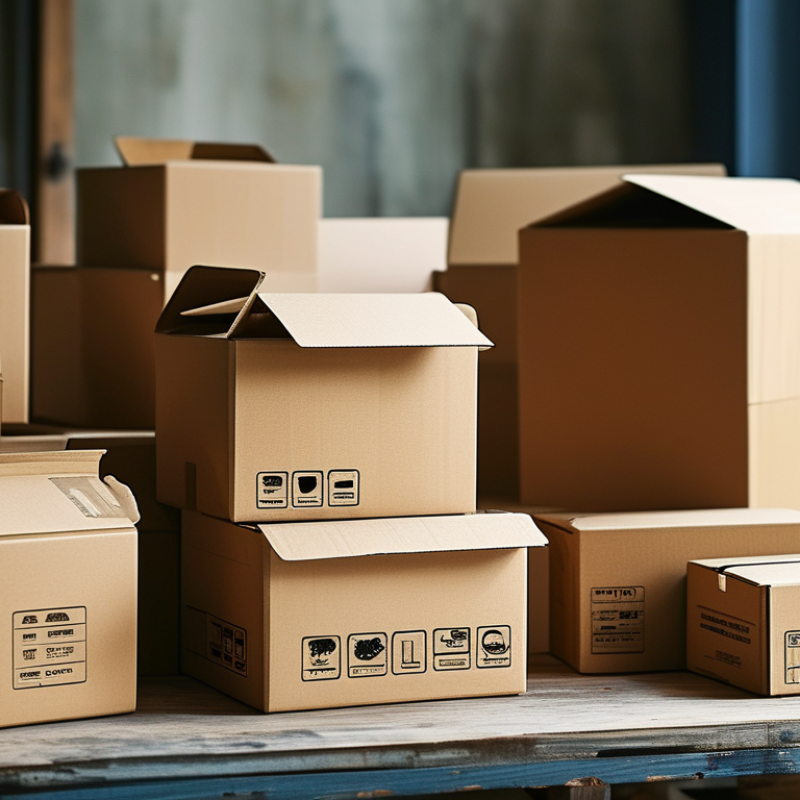
Understanding Cardboard Printing Techniques for Projects
Cardboard printing techniques have evolved significantly. Understanding these methods is essential for achieving high-quality results. According to a recent industry report, the demand for printed cardboard packaging is projected to grow by 4.5% annually. This growth indicates a strong interest in printed materials for various projects.
One popular technique is digital printing. This method offers flexibility and quick turnaround times. It allows for customized designs without the need for large print runs. However, quality can vary. Another technique is flexography, which excels in high-volume jobs. It's cost-effective for large projects but may lack detail in smaller prints. Understanding the nuances of these methods can impact project outcomes directly.
Experimenting with these techniques can lead to varied results. Print quality can be affected by various factors, such as ink types and cardboard texture. A well-planned approach minimizes potential errors. Yet, the learning curve remains. Careful consideration of your project's needs is crucial for optimal results.
Selecting the Right Cardboard Material for Printing
When selecting cardboard for printing, consider its weight and texture. Different projects require different types. For instance,
lightweight cardboard can be ideal for temporary displays. However, it might not hold up for long-term use.
Heavier cardboard offers durability but can be more expensive.
The finish of the cardboard also matters. A smooth finish is perfect for high-resolution prints.
It captures colors beautifully. On the other hand, textured cardboard provides a unique look, but may not yield the same clarity.
Be aware that using a textured surface can mute some colors and details in your prints.
Furthermore, think about the environmental impact. Eco-friendly options are available.
These materials may cost more, but they support sustainability. Consider your project's goals. Reflect on choices that balance quality and conscience.
Not every material suits every purpose, and experimenting can yield unexpected results.
Design Considerations for Effective Cardboard Prints
When designing prints on cardboard, consider important aspects like
color,
texture, and
layout.
Research shows that 70% of customer engagement comes from visuals.
Bold colors can attract attention, while subtle tones convey elegance.
Texturizing the cardboard can also improve tactile engagement.
The choice of ink is crucial.
Water-based inks are eco-friendly but may have limited vibrancy
compared to solvent-based inks. A study indicates that prints using
high-quality inks experience a
30% increase in perceived value.
Ensure the layout is uncluttered; negative space can enhance focus on key elements.
When planning, prototype your design before full production.
Mistakes like poor alignment can cost time and money.
Reflect on feedback from prototype testing. Engaging with your audience can lead to better design decisions.
Balancing aesthetics with practicality may require multiple iterations.
Embrace this iterative process for effective results.
Printing Methods: Comparing Digital and Traditional Techniques
When considering printing on cardboard for your projects, it's essential to recognize the differences between
digital and traditional printing methods.
Digital printing utilizes inkjet and laser techniques. It offers high flexibility and quick turnaround times. You can easily adjust designs and print in small batches. However, it may sometimes lack the vibrancy of traditional techniques.
Colors can appear muted or less saturated than expected.
On the other hand, traditional printing methods like offset and screen printing provide distinct advantages.
Offset printing produces sharp, high-quality images, especially for larger runs. Screen printing offers durability, making it ideal for items that require longevity.
Yet, these methods often involve higher setup costs and longer production timelines. You might find the initial investment daunting. It's important to reevaluate whether the cost aligns with the project’s scale and purpose.
Both methods have their merits and drawbacks.
Choosing the right technique involves considering your project’s needs and vision.
You might want flexibility or high-quality output. Ultimately, reflection on your specific objectives will guide your decision.
Finishing Touches: Enhancing Cardboard Prints with Coatings and Treatments
Enhancing the quality of cardboard prints is vital for many projects. Among the finishing touches, coatings and treatments make a significant impact. Various studies indicate that coated cardboard can improve durability by up to 30%. This translates to longer-lasting products and improved presentation.
Different coatings can provide unique benefits. For instance, matte finishes create a subtle, elegant look. Glossy finishes, on the other hand, enhance color vibrancy, making graphics pop. A survey by the Print Industries of America found that 70% of consumers prefer packaging with an appealing finish. This preference shows the importance of aesthetics in consumer choices.
However, coating choices require careful consideration. Some coatings might alter the print colors or texture. Additionally, environmental sustainability is becoming a crucial factor. Many consumers are becoming more aware of eco-friendly materials. Balancing quality and sustainability can challenge designers. It’s important to continually evaluate options and seek innovative solutions.