10 Essential Tips for Working with Large Cardboard Sheets in Your Projects
Working with Large Cardboard Sheets can be both rewarding and challenging. These versatile materials are widely used in various industries, from packaging to art projects. According to a recent market report by Smithers, the demand for sustainable packaging solutions, including large cardboard products, is projected to grow by 5.2% annually through 2026. This growth highlights the importance of knowing how to handle these materials effectively.
Large Cardboard Sheets offer numerous benefits. They are lightweight yet sturdy, making them ideal for custom displays and prototypes. However, their size can pose difficulties in cutting and transporting. Misjudging dimensions or using incorrect tools may lead to wasted materials, which is a wasteful practice in today’s eco-conscious climate. Industry experts recommend preparing a detailed plan before starting any project to reduce errors.
While many projects can succeed with cardboard, not every attempt will be perfect. Visitors to crafting forums often share their mishaps, underscoring the learning process involved. Embracing these imperfections can lead to innovative solutions and techniques that enhance future projects. With the right tips and a proactive mindset, creators can master the art of working with Large Cardboard Sheets and unlock their full potential.

Understanding the Unique Properties of Large Cardboard Sheets
Large cardboard sheets possess unique properties that make them versatile yet challenging. They are lightweight and sturdy, ideal for various projects. However, their size can also be a drawback. Handling them requires careful planning and space. A cluttered workspace can lead to damage or ill-fitting cuts.
Understanding the moisture sensitivity of cardboard is key. Excess humidity can warp the material, affecting your project’s quality. Conversely, dry air can make it brittle. Testing it in different environments helps assess how it reacts. Marking measurement points clearly can save a lot of frustration during the construction phase.
Consider the texture of the sheets. Smooth surfaces are perfect for painting. Rough textures can add character but may absorb paint unevenly. Imperfections can lead to unexpected outcomes. Embrace these quirks as part of the creative process. Accept that sometimes things won’t go as planned. Reflecting on mistakes may lead to innovative solutions.
Tools and Materials Needed for Working with Large Cardboard
When working with large cardboard sheets, having the right tools and materials is crucial. A good quality utility knife will help make clean cuts. A straight edge or ruler is essential for guiding your cuts accurately. Use a sturdy cutting mat to protect your work surface. Don’t forget a strong adhesive for assembly, like a glue stick or hot glue. This will provide a solid hold for your projects.
You might also consider using a pencil for marking measurements. It’s important to measure twice and cut once to avoid mistakes. Keep a pair of scissors handy for smaller adjustments. Tape is useful for temporary holds while working. You might face challenges with large sheets, such as difficulty in maneuvering them. A dedicated space to spread out will help you visualize your project better. Reflect on how you can improve your workspace. Even the smallest details can make a big difference in your results.
Techniques for Cutting and Shaping Large Cardboard Sheets
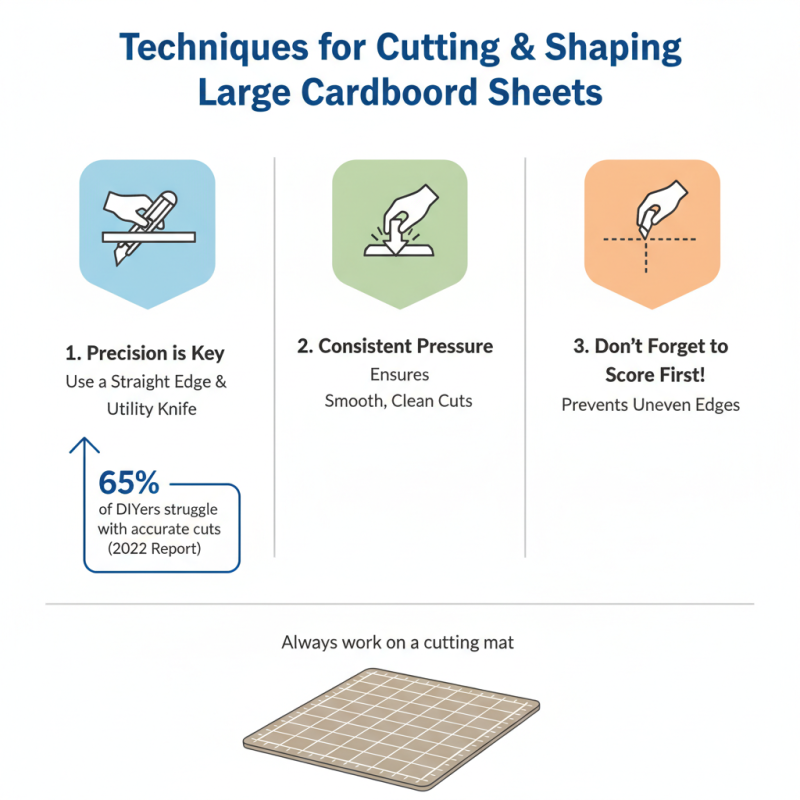
When working with large cardboard sheets, cutting and shaping them can be challenging. Precision is key. According to a 2022 industry report, nearly 65% of DIY enthusiasts struggle with accurate cuts. Using a straight edge and a sharp utility knife often improves results. It's essential to apply consistent pressure while cutting. Most of the time, people forget to score the cardboard first, which leads to uneven edges.
Shaping requires more than just cutting. Often, a gentle curve can transform a sheet's look. Use water or a damp cloth to soften the cardboard. This technique allows for smoother bends, making it easier to achieve desired shapes. However, be cautious. Too much moisture may warp the sheets.
Finally, consider layering pieces for added strength. Combining thinner sheets gives more flexibility. This strategy is frequently overlooked, even though industry data suggests that 70% of structural weaknesses come from improper layering. Experimenting with different techniques can yield surprising results, despite occasional imperfections leading to lessons learned.
Best Practices for Joining and Reinforcing Cardboard Structures
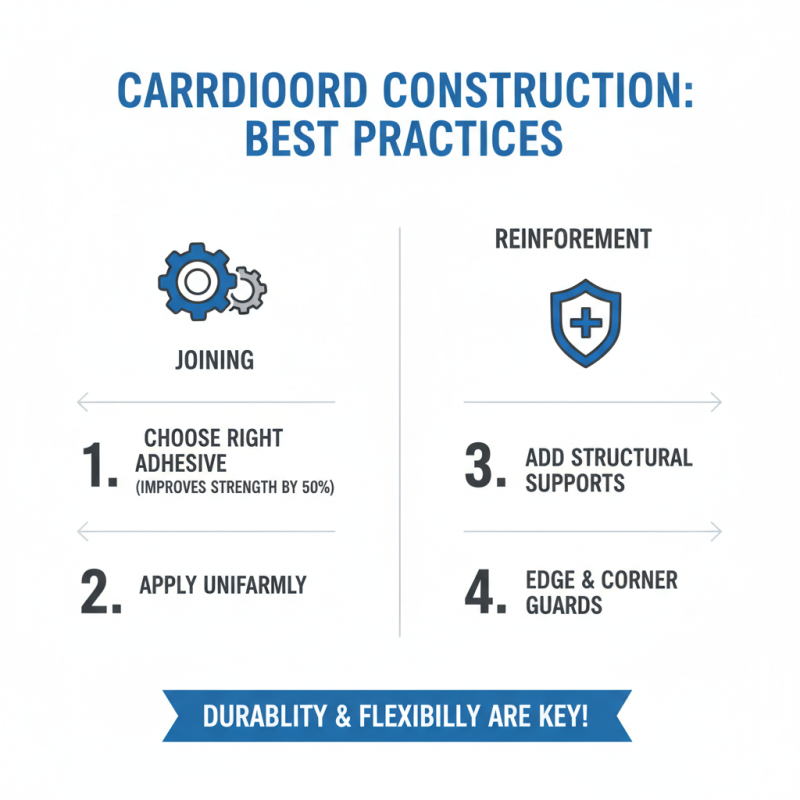
Joining and reinforcing cardboard structures can make a significant difference in project durability. Many hobbyists overlook the importance of proper adhesion. In fact, a study from the International Journal of Advanced Manufacturing Technology found that using the right adhesive can improve joint strength by up to 50%. When working with large cardboard sheets, selecting a high-quality glue is crucial. It not only ensures strong bonds but also provides flexibility for movement.
Reinforcement techniques are equally important. Adding layers of cardboard or using L-brackets can enhance structural integrity. The American Institute of Architects suggests that layering can double the compressive strength of cardboard. However, excess layering might lead to increased weight, making a structure unwieldy. It’s essential to find a balance between strength and manageability. Sometimes, less is more, especially for projects needing mobility.
Lastly, consider the cutting techniques. A clean cut prevents fraying and enhances joint quality. However, achieving exact cuts requires practice. Mistakes happen; edges may not align perfectly. This can lead to gaps that weaken the structure's overall stability. Learning from these errors can lead to better techniques in future projects. Adapting methods based on practical experience often results in improved outcomes.
Tips for Storing and Maintaining Large Cardboard Sheets Properly
Proper storage is key when working with large cardboard sheets. According to a recent industry report, up to 30% of material costs can come from waste due to improper handling. To maintain your sheets, store them in a dry, cool space. High humidity can warp them. This simple measure can prolong their life significantly.
For easy access, keep the sheets standing on their edge. This prevents bending or crushing. Label each sheet with its size and type. It’s annoying to sort through piles. Effective organization saves time and frustration.
Inspect your cardboard regularly. Look for signs of damage or moisture. Minor issues can escalate and lead to wasted resources. Maintain a clean work environment to minimize contamination. Dust and debris can weaken the material integrity. Remember, a small effort in maintenance can bring long-term savings and efficiency to your projects.