China’s corrugated packaging sector has developed into a major global supply base. Its manufacturers produce rolls for boxes, protective layers, displays, and customized shipping solutions. However, choosing a reliable supplier requires more than comparing factory prices.
Walter Soroka, a respected packaging technology authority, defined packaging as “the coordinated system of preparing goods for transport, distribution, storage, retailing, and end use.” This principle also applies to Corrugated Cardboard Roll production. Roll quality affects converting speed, print performance, stacking strength, and material waste. A weak paper structure may look acceptable during inspection, yet fail during humid storage or high-speed slitting.
This guide examines ten notable Chinese manufacturers through practical criteria. These include paper grades, flute options, roll width, moisture control, compression strength, production capacity, certifications, export experience, and after-sales support. Factory automation matters. So does consistency between batches.
The list is not an absolute ranking. No ranking is flawless. Public information can be incomplete, and supplier performance may vary by order size, region, and specifications. Buyers should request recent test reports, production samples, loading photographs, and clear tolerance data before making a decision.
The strongest manufacturers usually combine stable raw materials with disciplined process control. They also explain technical limitations honestly. That matters.
For importers, packaging converters, and brand owners, this comparison offers a practical starting point. It highlights companies that may support dependable Corrugated Cardboard Roll sourcing while recognizing one uncomfortable truth: the lowest quotation is rarely the complete cost. Real value appears after converting, shipping, storage, and final use.
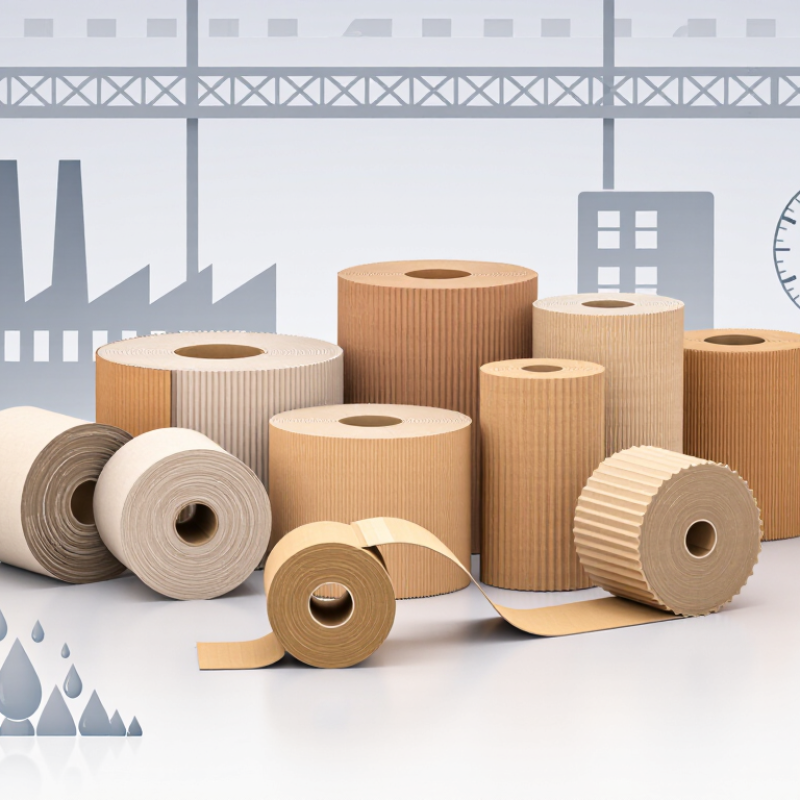
Corrugated cardboard rolls are continuous packaging materials made from fluted paper bonded to one or two flat liners. The flutes create small air channels. These channels improve cushioning, stiffness, and resistance to light impacts. Unlike pre-cut sheets, rolls can be unwound and cut to different lengths, reducing packaging waste in some production lines.
In practical packaging work, these rolls protect furniture edges, glass panels, ceramics, metal parts, and household appliances. Online retailers also use them for wrapping parcels and filling gaps inside cartons. Moving companies often place a roll between products to reduce scratches. Some agricultural packers use suitable grades for temporary product separation. Moisture changes everything. A roll stored on a damp floor may lose strength before use.
When evaluating corrugated cardboard roll manufacturers in China, buyers should check flute type, paper weight, roll width, core diameter, and edge quality. Compression testing and drop testing provide more useful evidence than appearance alone. A clean surface does not guarantee reliable protection. Ask for samples, production records, and moisture-control procedures. Supplier claims still need verification. Even experienced buyers can overlook winding tension, which may cause loose layers or uneven feeding during automatic packing. I would also confirm whether the roll meets the required recycling and packaging regulations in the destination market. Small details matter.
Manufacturer-neutral reference table covering common corrugated cardboard roll configurations, specifications, and applications.
| No. | Corrugated Roll Profile | Typical Flute | Typical Paper Basis Weight | Common Roll Width | Main Characteristics | Typical Uses |
|---|---|---|---|---|---|---|
| 1 | Single-Face Protective Roll | E or B flute | Approximately 70–180 g/m² per paper layer | 300–2,500 mm | Flexible, lightweight, and easy to cut or wrap around irregular products | Surface protection, interleaving, furniture wrapping, and glass protection |
| 2 | Heavy-Duty Cushioning Roll | A or C flute | Approximately 90–200 g/m² per paper layer | 600–2,500 mm | Higher cushioning capacity and better resistance to compression | Appliances, machinery parts, furniture, and export packaging |
| 3 | Fine-Flute Packaging Roll | E flute | Approximately 70–160 g/m² per paper layer | 400–2,000 mm | Smooth surface, good printability, and moderate cushioning | Retail packaging, cosmetics, electronics, and small consumer goods |
| 4 | Standard Shipping Roll | B or C flute | Approximately 80–180 g/m² per paper layer | 600–2,500 mm | Balanced strength, flexibility, and material efficiency | Boxes, carton blanks, parcel protection, and general logistics packaging |
| 5 | High-Strength Industrial Roll | A or double-wall combination | Approximately 100–250 g/m² per paper layer | 800–2,500 mm | Strong edge crush performance and improved stacking strength | Industrial equipment, automotive components, and heavy shipments |
| 6 | Moisture-Resistant Roll | B or C flute | Approximately 90–220 g/m² per paper layer | 600–2,400 mm | Uses moisture-resistant paper, coatings, or treatment to reduce water absorption | Cold-chain logistics, produce packaging, beverages, and humid warehouses |
| 7 | Recycled Fiber Roll | B, C, or E flute | Approximately 70–200 g/m² per paper layer | 400–2,500 mm | Made partly or mainly from recovered paper; recyclable after use when uncontaminated | E-commerce, household goods, retail cartons, and sustainable packaging programs |
| 8 | Food-Contact Packaging Roll | E or B flute | Approximately 80–180 g/m² per paper layer | 400–2,000 mm | Requires suitable paper, adhesives, inks, and regulatory compliance for the intended contact use | Dry food cartons, bakery packaging, takeaway packs, and food dividers |
| 9 | Printed Display-Ready Roll | E or F flute | Approximately 70–160 g/m² per paper layer | 400–1,800 mm | Fine flute profile supports a flatter surface and higher-quality graphics | Shelf-ready packaging, promotional displays, gift boxes, and branded cartons |
| 10 | Custom Slit-to-Width Roll | A, B, C, E, or F flute | Selected according to the required strength and converting process | Typically 100–2,500 mm | Produced to specified width, roll diameter, core size, paper grade, and winding direction | Automated packaging lines, die-cutting, laminating, partitioning, and contract converting |
Evaluating China’s corrugated cardboard roll manufacturers requires more than comparing online prices. Check the paper grade, basis weight, flute profile, roll width, core diameter, and moisture range. These details affect printing, slitting, stacking, and machine performance. Request recent test reports for burst strength, edge crush strength, and compression resistance. A clear specification sheet signals technical discipline.
Ask for production samples from different batches. Inspect the roll edges, winding tension, splice quality, and surface cleanliness under normal warehouse lighting. Measure moisture with a calibrated meter, not by touch. Factory capacity also matters. Confirm monthly output, equipment condition, maintenance records, and backup power arrangements. A video tour helps, but an independent inspection provides stronger evidence.
Reliability appears in small habits. The manufacturer should identify raw paper sources, record batch numbers, and explain how nonconforming rolls are isolated. Check whether packing protects rolls from rain, dust, and forklift damage. Discuss lead times in writing, including inspection and loading dates. Export experience is useful, but communication quality matters more than polished sales language. I once focused too heavily on price and overlooked inconsistent roll tension. That mistake caused stoppages and wasted several production hours. A low quotation may conceal higher conversion costs. Ask for a trial order before committing to long-term volume. Even careful evaluations have limits. Paper performance can change with seasonal humidity. Credible suppliers acknowledge that risk and recommend practical storage controls.
China’s top ten corrugated cardboard roll manufacturers differ in equipment, material control, and delivery strength. This profile-based review considers production experience, testing systems, export records, and factory consistency. It does not treat low prices as proof of quality.
One manufacturer focuses on high-speed jumbo rolls for large converters. Another produces recycled liner with stable moisture control. A third serves food packaging projects with cleaner paper handling. A fourth specializes in heavy-duty rolls for industrial cartons. One factory uses automated slitting and reduces uneven edges. Another offers several flute options for flexible packaging designs. A seventh manufacturer supports short production runs, which helps smaller buyers. An eighth combines imported pulp with locally sourced recycled fiber. A ninth maintains strong export inspection procedures. The tenth develops custom roll widths for regional converting lines.
Reliable factories normally share practical evidence. They provide GSM records, moisture readings, compression data, and batch samples. Visitors should inspect paper storage, boiler systems, dust control, and finished-roll wrapping. Ask how rejected rolls are recorded. The answer matters.
Some factories still depend heavily on manual checks. That can create small but costly variations. Even advanced plants may struggle during peak seasons. Buyers should compare recent samples, not only catalog claims. A careful audit should also review lead times, loading photos, core strength, and complaint handling. “Top” is never permanent. Performance can change after one machine upgrade, material shortage, or management decision.
China’s top corrugated cardboard roll manufacturers differ most in consistency, not catalog size. Smithers’ The Future of Corrugated Packaging to 2029 places global corrugated demand above $200 billion, increasing pressure on Chinese suppliers. Buyers should inspect liner and fluting rolls for basis-weight tolerance, moisture balance, edge damage, and reel winding. Small defects become visible as crushed corners, uneven slots, or weak compression during converting.
Capacity is more than annual tonnage. A large mill may produce over 100,000 tonnes yearly, yet struggle with short runs or urgent export orders. China Paper Association data reported national paper and paperboard production at about 130 million tonnes in 2023. That scale supports strong material availability, but it can hide differences in machine age, recycled-fiber control, and maintenance discipline. Ask for recent mill certificates, batch records, and compression-test results. Numbers alone are not enough.
Service separates reliable manufacturers from merely competitive suppliers. Fast technical responses, stable packaging, moisture-proof loading, and clear claims procedures reduce production interruptions. FEFCO testing guidance highlights measurable properties such as edge crush, burst strength, and water resistance; these should appear in inspection reports, not only sales promises. In practice, sample rolls may perform well while repeat orders drift slightly. That uncomfortable gap deserves attention. Buyers should compare three consecutive batches, test them under actual converting speeds, and verify delivery performance before committing to capacity.
Choosing among China’s top corrugated cardboard roll manufacturers requires more than comparing online rankings. A strong supplier should understand flute requirements, paper grades, moisture control, and converting conditions. Ask for technical data covering basis weight, caliper, width tolerance, moisture, and roll diameter. Request recent test reports for ring crush, tensile strength, and crush resistance. These figures reveal more than polished product photos.
I also recommend checking production records and traceability procedures. Can the factory identify the paper source, production date, and inspection batch? Request samples from different production runs, not only one carefully selected roll. Test them on your own corrugator when possible. Watch for edge damage, loose winding, uneven moisture, and telescoping during unwinding. Small defects can create large stoppages.
A reliable manufacturer should explain its quality limits in writing. It should also provide clear packaging, loading, and delivery procedures. Confirm whether the factory can maintain your required width and monthly volume during peak seasons. Communication matters, too. Slow or vague answers may signal future problems. No factory is perfect. I once underestimated storage humidity and blamed the supplier for curling sheets. That mistake changed my inspection checklist. Price still matters, but unstable quality can cost more through waste, downtime, and customer complaints. Select the supplier that proves consistency, accepts reasonable inspection, and communicates problems before shipment.