Top 10 Kraft Paper Packaging Solutions for Global Buyers?
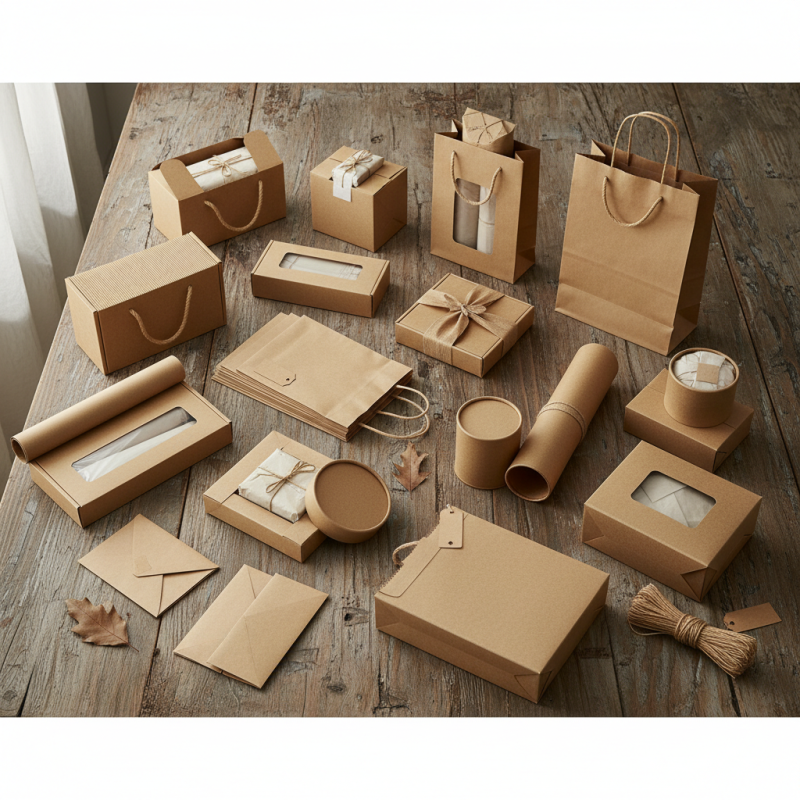
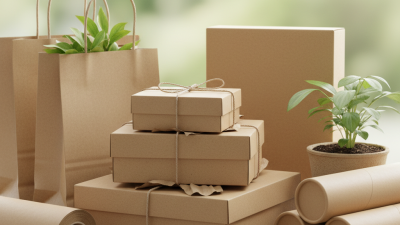
Kraft Paper Packaging has gained immense popularity among businesses worldwide. Its eco-friendly nature and versatility appeal to a broad range of industries. As global buyers seek sustainable solutions, Kraft paper emerges as a forefront choice.
This packaging solution offers durability and aesthetic appeal, making it suitable for various products. It not only serves as a protective layer but also enhances brand image. However, the effectiveness of Kraft Paper Packaging can vary depending on the application. Selecting the right type is essential for maximizing benefits.
Understanding these solutions is crucial for buyers. It requires expertise to navigate various options and make informed decisions. Explore the top 10 Kraft Paper Packaging solutions that stand out in the market. This exploration will provide insight into the evolving landscape of sustainable packaging options.
Overview of Kraft Paper as a Packaging Material
Kraft paper has gained immense popularity as a reliable packaging material worldwide. Its natural composition, primarily derived from wood pulp, offers an eco-friendly alternative to plastic. According to a recent market research report, the global kraft paper packaging market is expected to reach $19 billion by 2026. This growth reflects a notable shift in consumer preferences toward sustainable options.
One of Kraft paper's standout features is its strength and durability. The material can withstand the rigors of shipping and handling. It is versatile enough to be used in various applications, from shopping bags to food packaging. However, some limitations exist. For instance, while kraft paper is biodegradable, it may not hold up as well in wet conditions compared to plastics. Businesses need to consider these factors when choosing packaging solutions.
Additionally, the recyclability of kraft paper enhances its appeal. Industry studies show that recycled kraft paper can significantly reduce waste in landfills. Still, the availability of recycling facilities varies by region. This challenge may impact the effectiveness of sustainability efforts. Hence, companies must remain aware of local resources and infrastructure when implementing kraft paper solutions.
Top 10 Kraft Paper Packaging Solutions for Global Buyers
Benefits of Using Kraft Paper for Packaging Solutions
Kraft paper has become a preferred choice for packaging solutions due to its numerous benefits. One of the key advantages is its eco-friendliness. Reports indicate that 70% of consumers prefer sustainable packaging. Kraft paper is biodegradable and recyclable, making it an attractive option for brands concerned about environmental impact.
Durability is another significant benefit. Kraft paper can withstand various weights and pressures, ensuring the safety of products during transit. According to industry studies, packages made from kraft paper exhibit up to 50% more tensile strength than traditional paper. This quality reduces the chances of damage and increases consumer satisfaction.
Cost-effectiveness cannot be overlooked. Kraft paper is relatively inexpensive to produce, especially in bulk. This aspect is crucial for startups and small businesses. However, some brands face challenges in sourcing high-quality kraft paper. There can be inconsistencies in thickness and color, which require careful supplier selection. Maintaining quality while managing costs is a balancing act for many companies in this sector.
Top 10 Applications of Kraft Paper Packaging in Various Industries
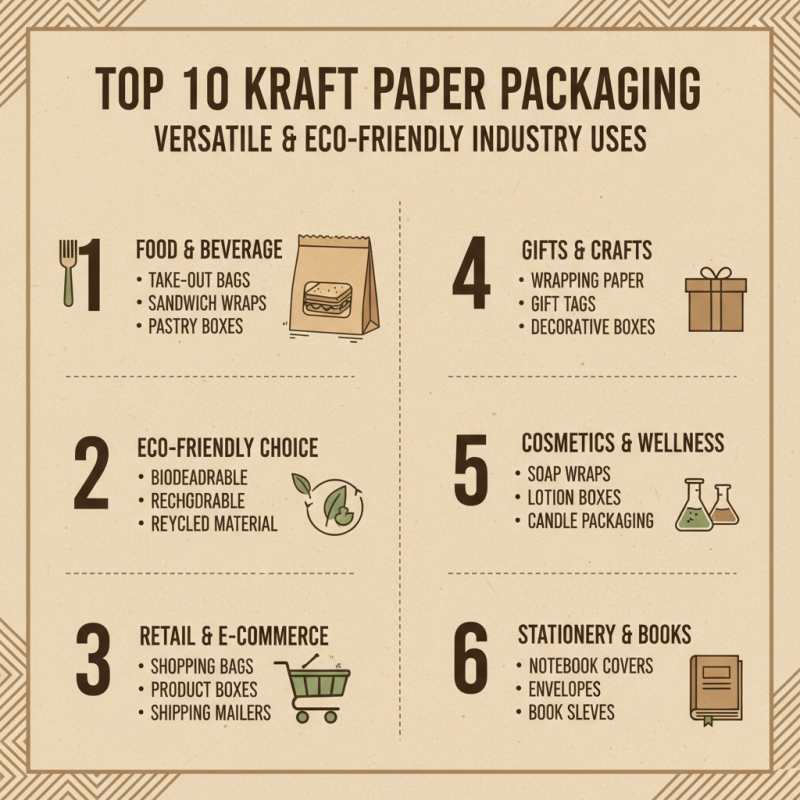
Kraft paper packaging is emerging as a preferred choice across various industries. Its versatility makes it suitable for both products and company branding. In the food sector, kraft paper bags are increasingly used for takeout, sandwiches, and pastries. This eco-friendly option resonates well with health-conscious consumers.
In the cosmetics industry, kraft paper packaging has gained momentum. Eco-conscious brands embrace it for boxes and wrapping materials. The natural texture and brown hue enhance product aesthetics. Crafting packaging with minimalist designs can often lead to a stronger brand identity.
Tips: It is crucial to select the right thickness of kraft paper for each application. Thicker paper provides better durability. However, some products may require flexibility, where thinner options work better. Consider your products carefully. Stay updated on eco-friendly inks and adhesives to further enhance your packaging's sustainability. This choice not only benefits the environment but also resonates with consumers’ values.
Sustainable Practices in Kraft Paper Packaging Production
Kraft paper packaging has gained popularity due to its sustainability. It is made from recycled materials and is biodegradable. This eco-friendly approach attracts both consumers and businesses focused on reducing their carbon footprint. Yet, there are several aspects to consider in its production process.
Using renewable energy in manufacturing is vital. Factories run on sustainable sources, such as solar or wind power. However, not all manufacturers prioritize this aspect. Buyers must research their suppliers’ energy sources. Transparency is key.
Tips: Look for certifications that showcase eco-friendly practices. Ask manufacturers directly about their energy usage. Sometimes, organizations claim sustainability without real action. Understanding a company's genuine practices helps in making informed choices.
In addition to energy, water usage is crucial. Excessive consumption can harm local ecosystems. Some kraft paper suppliers have begun to recycle water. They implement closed-loop systems to minimize waste. It shows commitment but is not yet universal in the industry.
Tips: Investigate suppliers who track their water footprint. Challenge them about their water conservation methods. It fosters accountability in the industry. Adapting to sustainable practices is an evolving journey, and not every supplier is on the right path yet.
Consumer Trends Influencing Kraft Paper Packaging Choices
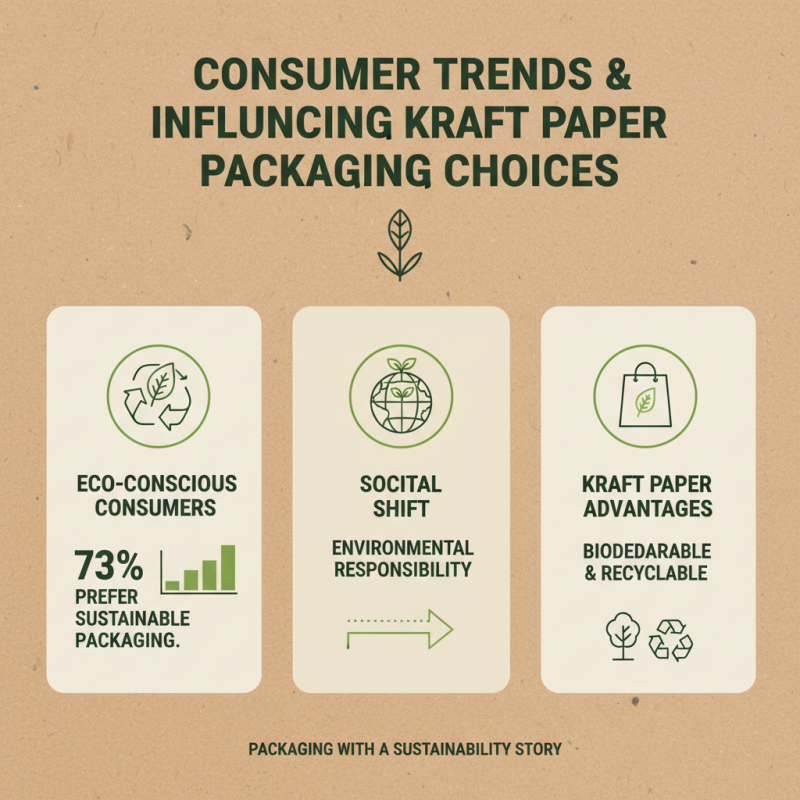
The rise of eco-conscious consumers is reshaping the kraft paper packaging landscape. Recent studies show that 73% of consumers prefer sustainable packaging options. This trend is not just a passing fad; it reflects a deeper societal shift towards environmental responsibility. Kraft paper's biodegradable and recyclable characteristics make it a popular choice. Many buyers are looking for packaging that tells a story about sustainability.
In addition, the demand for customization is growing. About 62% of buyers seek unique designs that reflect their brand identity. Kraft paper’s versatility allows for various printing techniques and finishes. While many companies excel at providing sustainable solutions, not all can deliver on aesthetics without sacrificing functionality. This gap presents an opportunity for improvement. Brands need to balance visual appeal with environmental impact. The market is competitive, and companies must continuously innovate to meet evolving consumer preferences.
However, the widespread adoption of kraft paper packaging also raises concerns. Some suppliers struggle with sourcing high-quality materials sustainably. This inconsistency can lead to consumer distrust. It’s vital for companies to ensure their claims are backed by transparent sourcing practices. As sustainability becomes integral to packaging choices, the industry must address these challenges to gain consumer confidence.