Top Packaging Printing Techniques for Unmatched Product Appeal?
In an era where consumer attention is fleeting, packaging printing has emerged as a crucial element in product marketing. Captivating designs and high-quality finishes not only enhance visibility but also communicate brand values. Great packaging printing can set a product apart from the competition.
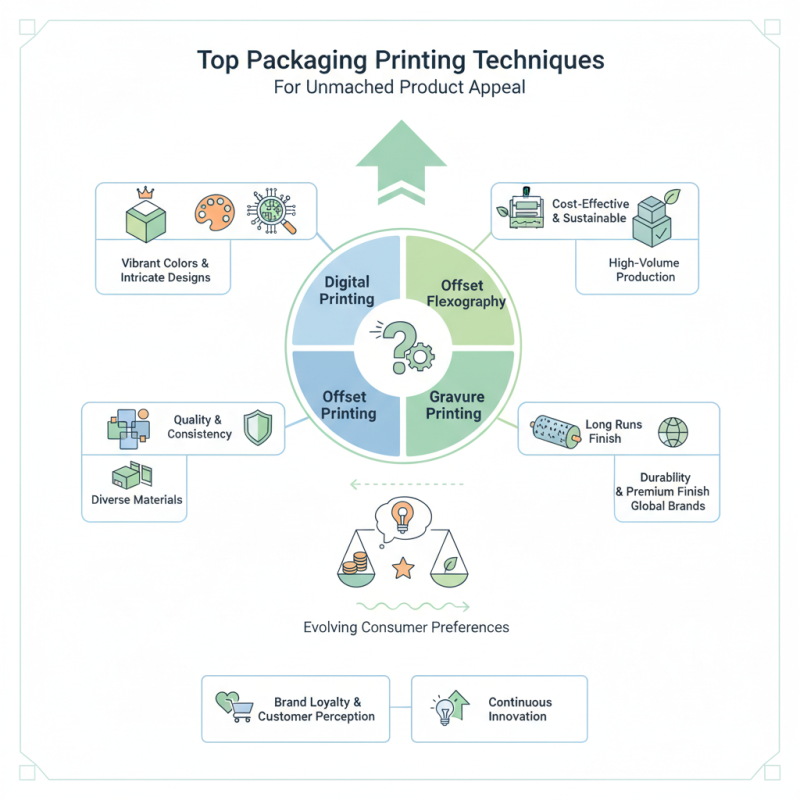
Innovative techniques, such as digital printing and flexography, have revolutionized the packaging industry. They allow for vibrant colors, intricate designs, and even personalization. However, choosing the right technique can be challenging. Each method has its pros and cons. Balancing cost, quality, and sustainability is essential for brands today.
Moreover, trends in consumer preferences constantly evolve. Staying updated on these shifts is vital for businesses aiming to maintain relevance. An effective packaging printing strategy can significantly impact brand loyalty and customer perception. Successful brands understand the need for continuous innovation in their packaging designs.
Exploring the Importance of Packaging in Product Marketing
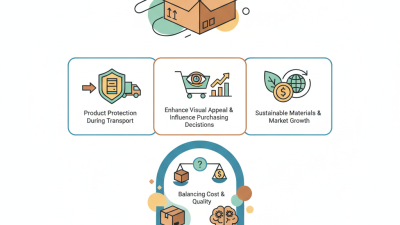
Packaging plays a crucial role in product marketing. Data reveals that nearly 70% of consumers make purchase decisions based on packaging alone. This statistic underscores the need for innovative design techniques that not only attract attention but also communicate brand values effectively. In a market oversaturated with choices, packaging acts as a silent salesperson, making an immediate impression.
Moreover, it's essential to recognize the evolving landscape of consumer preferences. A recent study highlighted that 50% of consumers are willing to pay more for products with eco-friendly packaging. This trend illustrates the growing importance of sustainable materials and practices in packaging. Brands must balance eye-catching designs with responsible choices, which can demand re-evaluation of their current approaches.
While creativity is key, the effectiveness of packaging should not be taken for granted. Poor design can lead to confusion. For example, unclear labeling sometimes frustrates customers, impacting overall sales negatively. Brands must continuously seek feedback and iterate on their packaging strategies. Engaging with consumers directly can reveal insights that numbers alone cannot provide. Addressing these gaps in understanding can lead to more resonant, impactful packaging.
Overview of Popular Packaging Printing Techniques
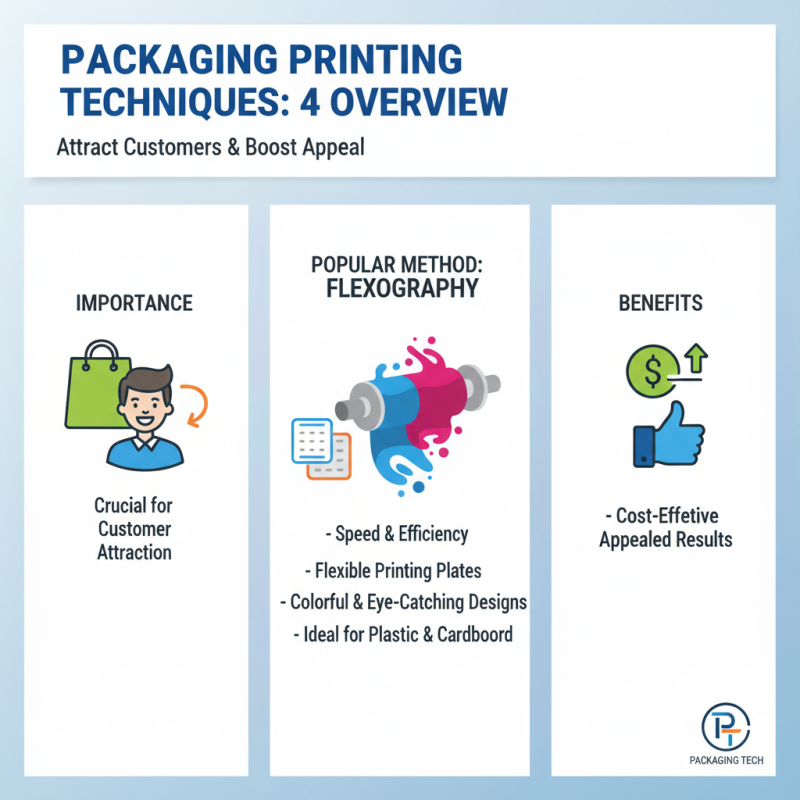
Packaging plays a crucial role in attracting customers. Various printing techniques can make a significant impact on product appeal. Among the popular methods, flexography stands out for its speed and efficiency. It utilizes flexible printing plates, allowing for designs that are vibrant and eye-catching. This technique is often used for packaging materials like plastic and cardboard. The results can be both stunning and economically favorable for brands.
Another noteworthy method is gravure printing. It produces high-quality images with deep colors. This technique involves engraving designs onto a cylinder, offering exceptional detail. However, gravure can be costly and requires longer setup times. Brands need to weigh these factors against the quality they desire.
Digital printing has reshaped the packaging landscape. It allows for customization and shorter runs, making it highly versatile. Brands can easily adapt designs for different markets. Yet, the consistency of color may vary, which can be a concern for some. Each technique offers its pros and cons, requiring careful consideration. Understanding these elements is essential for brands aiming to elevate their packaging appeal.
Benefits of Digital Printing in Packaging Design
Digital printing is revolutionizing packaging design. This technique offers remarkable flexibility in artwork and design updates. Brands can quickly adapt their packaging to seasonal trends or new marketing strategies. This responsiveness is key in a fast-paced market.
One significant advantage of digital printing is the ability to produce small runs cost-effectively. Traditional methods often require large print runs to be economically viable. However, digital printing can offer high-quality results for limited batches. This benefits niche markets and custom products. Yet, some may question the long-term durability of these prints compared to conventional methods.
Moreover, digital printing supports vibrant color options. Brands can utilize complex graphics and photos without additional costs. Every aspect, from texture to vivid imagery, elevates product appeal. However, it's essential to ensure that color accuracy meets expectations. Inconsistent color output can undermine a product’s image. Digital printing continues to evolve, pushing boundaries. This growth invites brands to rethink their packaging strategies.
Top Packaging Printing Techniques for Unmatched Product Appeal
| Printing Technique |
Description |
Benefits |
Typical Usage |
| Digital Printing |
Utilizes digital files to directly transfer images onto packaging material. |
Cost-effective for small runs, quick turnaround times, high customization. |
Cosmetics, Food Labels, Custom Boxes |
| Flexographic Printing |
Uses flexible relief plates to print on various materials. |
Efficient for large volumes, fast drying times. |
Plastic Bags, Labels, Food Packaging |
| Offset Printing |
Ink is transferred from plates to a rubber blanket and then to the printing surface. |
High quality, cost-effective for larger quantities. |
Cartons, Labels, Brochures |
| Gravure Printing |
Engraved cylinders apply ink to the substrate. |
Excellent for high-quality images, suitable for long runs. |
Flexible Packaging, Wallpaper, Decorative Prints |
The Role of Flexography in High-Volume Production
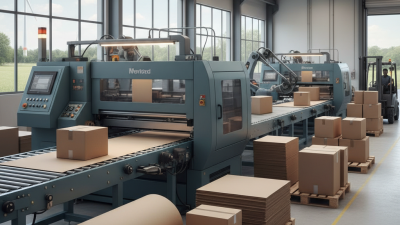
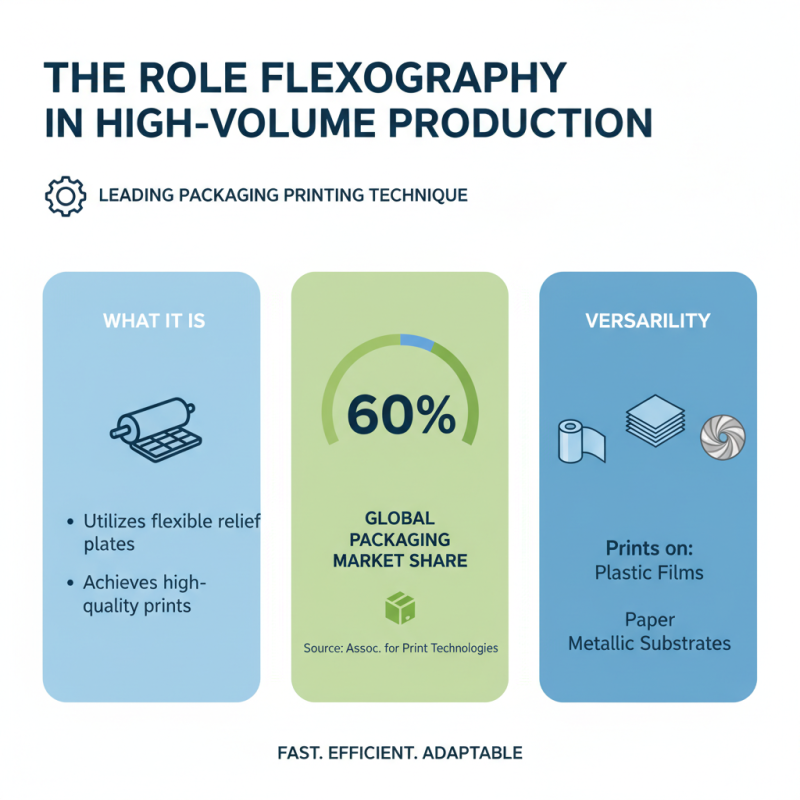
Flexography has emerged as a leading printing technique in high-volume production, especially in packaging. This method utilizes flexible relief plates to achieve high-quality prints on various substrates. As reported by the Association for Print Technologies, flexographic printing represents approximately 60% of the global packaging market. Its ability to print on plastic films, paper, and even metallic substrates makes it versatile.
The advantages of flexography are compelling. It provides vibrant colors and sharp images, essential for product appeal. Data from Smithers Pira indicates that the flexo printing market will grow annually by 4.7% through 2024. This growth reflects its efficiency and cost-effectiveness. While traditional methods like lithography have their place, flexography stands out for its speed and adaptability. However, it’s not without challenges. Plate preparation can be time-consuming, leading to potential delays in production schedules.
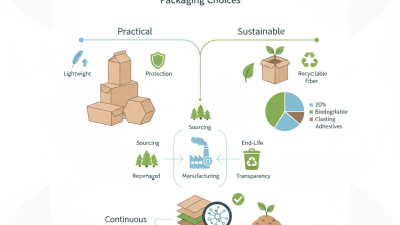
Flexography’s sustainability factor is also noteworthy. Many producers are shifting towards eco-friendly inks and substrates to meet consumer demand for environmentally friendly packaging. The industry acknowledges the need for innovation but must also address these evolving expectations. Balancing quality, efficiency, and sustainability will be key for flexo's future in packaging.
Innovative Approaches: Eco-Friendly and Sustainable Packaging Options
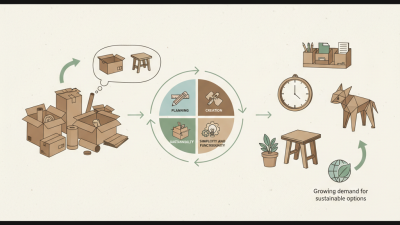
Sustainable packaging is gaining traction in the market. Many companies are searching for eco-friendly options. This shift reflects a growing awareness of environmental issues. Consumers are now more concerned about the materials used in packaging. They prefer products inside recycled or biodegradable materials.
Innovative techniques are emerging to meet these demands. For example, water-based inks are now popular for printing. These inks are less toxic and reduce environmental harm. Additionally, plant-based materials are being utilized. They help in minimizing plastic usage. These modern approaches make packaging more appealing and responsible.
However, challenges remain in the adoption of sustainable practices. Some materials can be costly, affecting overall product pricing. Finding a balance between cost, sustainability, and functionality is crucial. Brands must weigh their options carefully to avoid setbacks. Not every eco-friendly solution suits every product. Continuous testing and feedback are vital for improvement. Making strides toward eco-friendly packaging is a journey. It requires patience and adaptability to meet consumer expectations.
Top Packaging Printing Techniques for Unmatched Product Appeal