Inquiry
Form loading...

What Is a Corrugated Box Maker?

A Corrugated Box Maker is more than a company that folds paperboard. It converts linerboard and fluting into protective packaging for food, electronics, furniture, and logistics. The work may begin with a moisture-tested paper roll. It can end with a printed, die-cut box stacked beside a shipping line.

Industry data shows why this role matters. The U.S. Environmental Protection Agency reported that American corrugated boxes generated 33.3 million tons of waste in 2018. Its data also recorded a recovery rate of approximately 96.5 percent. These figures demonstrate corrugated packaging’s scale and recycling value. However, recycling performance does not remove every design problem. Wet fibers, excessive ink, poor sizing, and unnecessary layers can still reduce efficiency.

FEFCO, the European Federation of Corrugated Board Manufacturers, reported roughly 49 billion square metres of corrugated board production in Europe during 2023. That volume reflects a highly engineered manufacturing sector. A professional Corrugated Box Maker must balance compression strength, board grade, print quality, machine speed, and material costs. Testing often includes edge crush, box compression, and moisture resistance measurements. Small changes matter. A few millimetres can affect pallet stability.

The definition remains incomplete without the customer’s experience. A box must survive handling, storage, transport, and opening. It should fit the product without wasting space. It should also communicate responsibly through clear specifications and verified performance claims. Smithers’ corrugated packaging market research identifies continued demand from e-commerce, food, and consumer goods. Yet forecasts are not guarantees. Good manufacturers still validate materials, review field failures, and improve designs through evidence rather than assumptions.
What Is a Corrugated Box Maker?

Definition and Purpose of a Corrugated Box Maker

What Is a Corrugated Box Maker?

A corrugated box maker is a machine system that converts paperboard into shipping boxes. Its purpose is practical: protect products, simplify handling, and support efficient storage. The process begins when a corrugator joins flat liners with a fluted inner sheet. Heat, pressure, and adhesive create the familiar ridged board. Converting equipment then prints, cuts, creases, folds, and glues the finished box.

Not merely a machine. It is a coordinated production line.

According to Smithers’ The Future of Corrugated Packaging to 2028, the global corrugated packaging market was valued at approximately US$205.7 billion in 2023. The report expects continued growth through 2028, partly driven by online retail and transport needs. The U.S. Environmental Protection Agency reported a 96.5% recycling rate for corrugated boxes in its 2018 materials data. These figures show the box maker’s wider purpose: producing high-volume packaging while supporting material recovery. Still, efficiency is not automatic. Poor flute selection, excess ink, or inaccurate cutting can create avoidable waste. That part deserves more attention.

Tips: Match the flute profile to the product’s weight and shipping distance. Check compression strength before changing board thickness. Inspect crease lines by hand during setup. Small errors can become expensive quickly. A useful improvement may be reducing material, not simply increasing machine speed.
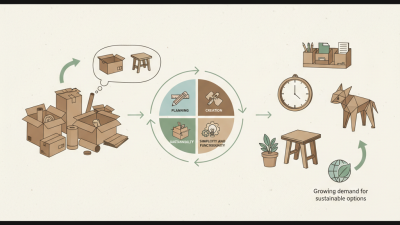
Main Components and How the Machine Works

What Is a Corrugated Box Maker?

A corrugated box maker converts printed or plain corrugated sheets into finished boxes. Its main components include a sheet feeder, printing units, slotter, folder-gluer, and counter-ejector. Some lines also use a rotary die cutter for handles, vents, or unusual shapes. The feeder separates each sheet with vacuum suction and moves it at a controlled speed. Small timing errors can create visible defects.

The printing section applies water-based ink, while impression rollers transfer the design onto the board. The slotter then cuts folding lines and flaps. After that, the folder-gluer bends the sheet along scored lines and applies adhesive to the manufacturer’s joint. The counter-ejector groups completed boxes into manageable bundles. Operators still inspect crushed corners, weak glue bonds, and inaccurate print registration.

FEFCO’s 2023 industry statistics reported more than 53 billion square metres of corrugated board production in Europe. That scale explains the need for stable feeding and fast changeovers. Smithers’ report, The Future of Corrugated Packaging to 2029, also identifies e-commerce and recyclable packaging as important market drivers. However, higher speed does not automatically mean better output. Moisture, board flute variation, and worn scoring tools can quietly reduce quality. In my experience, calibration often matters more than headline machine speed. A perfect setup is difficult to maintain. That deserves more attention.

Materials Used in Corrugated Box Production

What Is a Corrugated Box Maker?

Materials Used in Corrugated Box Production

A corrugated box maker turns paper-based sheets into protective shipping containers. The process begins with kraft paper, usually made from strong wood fibers. Linerboard forms the flat outer and inner surfaces. Fluting creates the ridged middle layer. It adds cushioning and stacking strength.

Paper weight affects box performance. Heavier linerboard can support greater loads, while lighter grades reduce material use. Recycled fibers may lower environmental impact, but they can reduce strength after repeated processing. Moisture-resistant coatings help boxes survive damp storage areas. However, coatings may complicate recycling. This trade-off deserves careful review.

Adhesive joins the paper layers. Water-based starch glue is common because it bonds reliably and supports efficient production. Printing inks add handling marks, product details, or simple graphics. Cutting tools then shape panels, slots, and folding lines with accurate measurements. Small errors matter. A slightly misplaced crease can make assembly difficult.

Tips: Check paper moisture before production. Uneven moisture can cause curling or weak seams. Match the flute profile to the product’s weight and fragility. Test a sample box under realistic stacking conditions. Measure twice. Revise when results look acceptable but not dependable.

Types of Corrugated Box Makers

A corrugated box maker converts corrugated sheets into finished packaging. The right machine depends on order volume, box design, and board thickness. Small workshops often use manual box makers. Operators feed sheets by hand, score folding lines, and apply adhesive separately. These machines cost less and suit short runs or custom orders. However, output depends heavily on operator skill and careful measurement.

Semi-automatic box makers combine powered feeding, creasing, folding, and gluing. They reduce repetitive work while keeping setup relatively flexible. This type works well for medium production volumes and frequent size changes. Fully automatic box makers connect several steps in one production line. They can print, slot, crease, fold, glue, and count boxes with limited intervention. Sensors help control sheet alignment, but dust and warped board can still cause faults.

Digital box-making systems are useful for samples, prototypes, and short customized runs. They usually avoid traditional cutting dies, which can reduce preparation time. Rotary die-cutting machines are better for boxes with windows, handles, or unusual shapes. A flexographic printer-slotter can add graphics before cutting and folding. The choice is not always obvious. A fast machine may waste more board during setup. In practice, buyers should check flute compatibility, glue control, changeover time, safety guarding, and maintenance access. One overlooked detail is operator training. Even advanced equipment can produce weak corners when settings are rushed.

What Is a Corrugated Box Maker? — Types of Corrugated Box Makers

Corrugated box makers use different machines for forming corrugated board, printing, cutting, folding, and gluing. The chart compares typical rated line-speed ranges for four major machine types. Actual performance depends on board grade, flute profile, sheet size, print coverage, and changeover time.

Applications, Benefits, and Maintenance Requirements

What Is a Corrugated Box Maker?
Applications, Benefits, and Maintenance Requirements

A corrugated box maker converts paperboard sheets into protective shipping boxes. It can cut, crease, fold, and print according to programmed dimensions. In packaging facilities, operators use it for retail cartons, warehouse containers, and custom e-commerce orders. Some machines produce one box at a time, while others process continuous sheets at high speed.

The main benefit is accurate sizing. A box that fits closely can reduce empty space, extra cushioning, and storage demands. Production also becomes faster when different box designs are saved digitally. This flexibility helps businesses respond to changing product sizes. However, the machine is not magically maintenance-free. Dust collects around rollers, cutting tools, and sensors. Small buildup can cause uneven creases or inaccurate cuts.

Regular care should follow the equipment manual and workplace safety procedures. Operators should remove paper dust with approved tools, inspect blades for wear, and check rollers for damaged surfaces. Glue systems need careful cleaning before residue hardens. Moving parts may require scheduled lubrication, but excessive lubricant can attract dust. Electrical panels and sensors should be inspected by qualified technicians. Keep safety guards in place.

A practical maintenance log records cleaning dates, unusual noise, product defects, and replaced parts. This evidence helps technicians identify recurring problems instead of guessing. One overlooked detail is alignment. Even sharp blades perform poorly when guides drift out of position. Testing a few finished boxes after maintenance is wise, although production pressure often makes teams skip it. That shortcut can become expensive.