




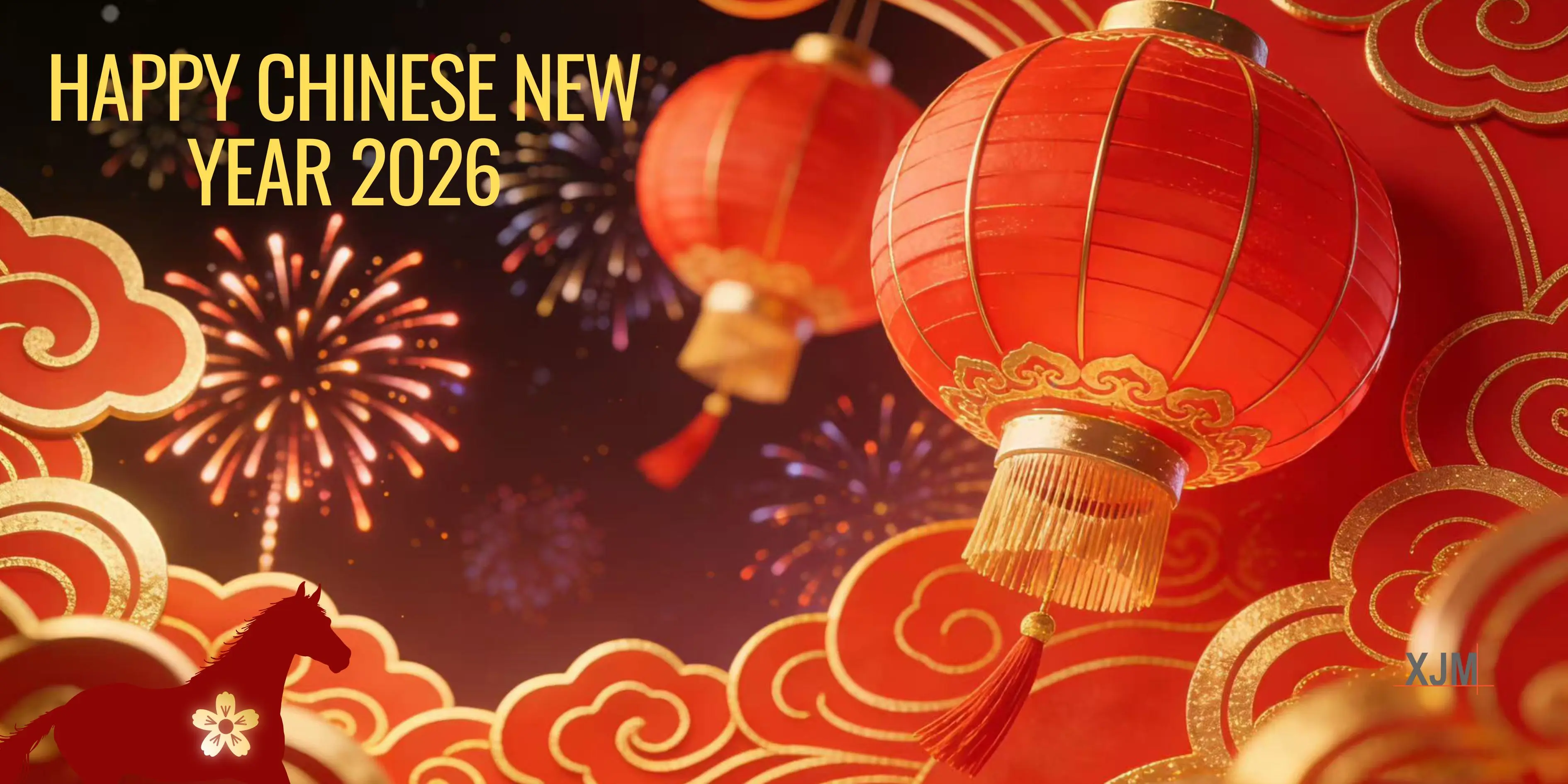





Celebrating the Significance of New Year's Day in Chinese Culture
Celebrating the Significance of New Year's Day in Chinese Culture
As the calendar turns to January, the spirit of celebration fills the air in China. The New Year’s Day holiday, observed from January 1st to January 3rd, represents a time of renewal, reflection, and familial togetherness for millions across the nation. This period, deeply rooted in Chinese tradition, showcases the rich tapestry of cultural practices that highlight the significance of honoring new beginnings.
A Time for Family Reunions
One of the fundamental aspects of the New Year holiday is the emphasis on family. It is common for families to come together, travel long distances, and partake in festive meals. This time is marked by joyful gatherings, where loved ones reconnect over traditional dishes and recount stories from the past year. The reunion dinner serves as a focal point, symbolizing unity and prosperity, further reinforcing the belief that family bonds are paramount during this auspicious occasion.
Honoring Traditions and Customs
Chinese New Year’s Day is steeped in age-old customs that reflect the societal values of respect and gratitude. Many families engage in practices such as cleaning their homes to sweep away bad luck, decorating with auspicious symbols, and exchanging gifts. The iconic red envelopes filled with money, symbolizing good fortune, are often distributed among children and younger family members. This act not only fosters goodwill but also ensures that blessings are passed on to the next generation.
The significance of the date aligns with the lunar calendar, making it an essential marker of time that transcends mere celebrations. The transition into the New Year embodies hopes for abundance, health, and happiness in the months to come.
Cultural Festivities and Activities
Beyond family gatherings, the New Year holiday is celebrated with various public festivities, including vibrant parades, fireworks, and traditional performances. The iconic lion and dragon dances are particularly popular, as they are believed to bring good luck and scare away evil spirits. These spectacles not only showcase the rich cultural heritage of China but also actively involve communities in shared experiences that strengthen social bonds.
A Reflection of Resilience and Hope
For many, New Year’s Day represents more than just a holiday; it is a hopeful reflection on the past year while eagerly anticipating the future. These celebrations are often infused with a spirit of resilience, where communities come together to support one another, forging a path forward amidst challenges. The importance of this holiday cannot be understated, as it allows individuals to reset their intentions, renew their spirit, and embrace the promise of a new beginning.
Conclusion
As we approach January 1st, the New Year’s Day holiday serves as a reminder of the values that unite Chinese people around the world—family, tradition, and hope. With festivities that honor these tenets, the holiday is not merely a date on the calendar but a cherished time of cultural significance that resonates deeply within the hearts of many.
This year, as you celebrate the New Year, take a moment to reflect on the importance of these traditions. Cherish the time spent with family and welcome the opportunities that the new year brings. Happy New Year!