2026 Best Retail Packaging Trends for Global Buyers?
As global commerce evolves, the significance of Retail Packaging becomes increasingly apparent. According to a recent report from Packaging Strategies, the global retail packaging market is projected to reach USD 1 trillion by 2026. This growth highlights the vital role packaging plays in attracting consumers and enhancing product value.
Industry expert Dr. Emily Turner emphasizes the importance of innovation in this sector. She states, “Sustainable and visually appealing Retail Packaging is not just a trend; it’s a necessity.” The demand for environmentally friendly materials is rising sharply. Brands are under pressure to minimize their environmental impact while maintaining aesthetic appeal.
However, challenges remain. Many companies struggle to balance cost-efficiency with sustainability in their packaging designs. As consumer preferences shift, the need for adaptability becomes clear. The Retail Packaging landscape is poised for transformation, and embracing these trends is essential for staying competitive in 2026 and beyond.
Emerging Sustainable Materials in Retail Packaging for 2026
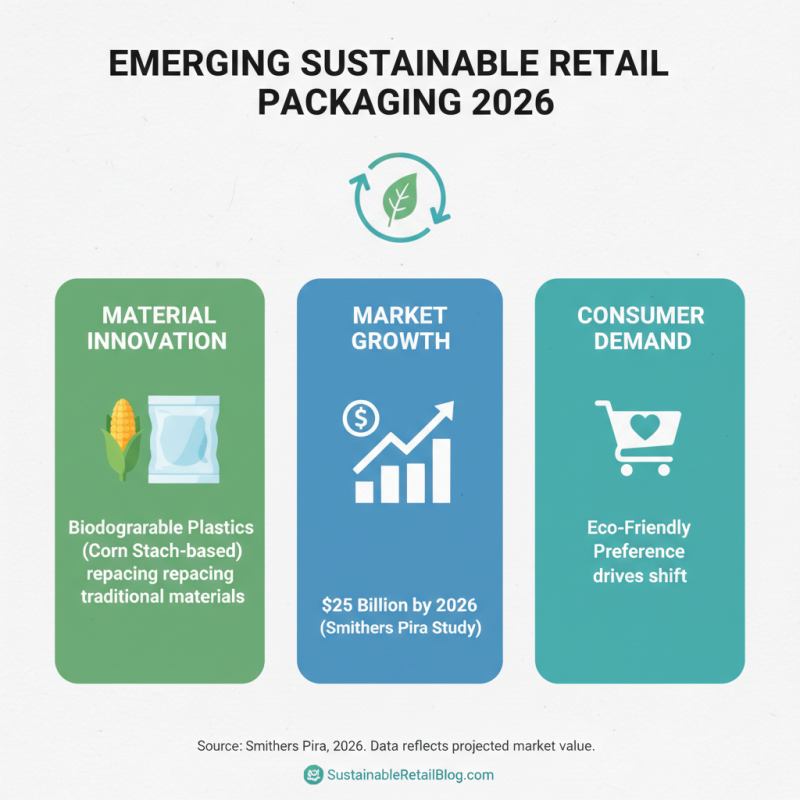
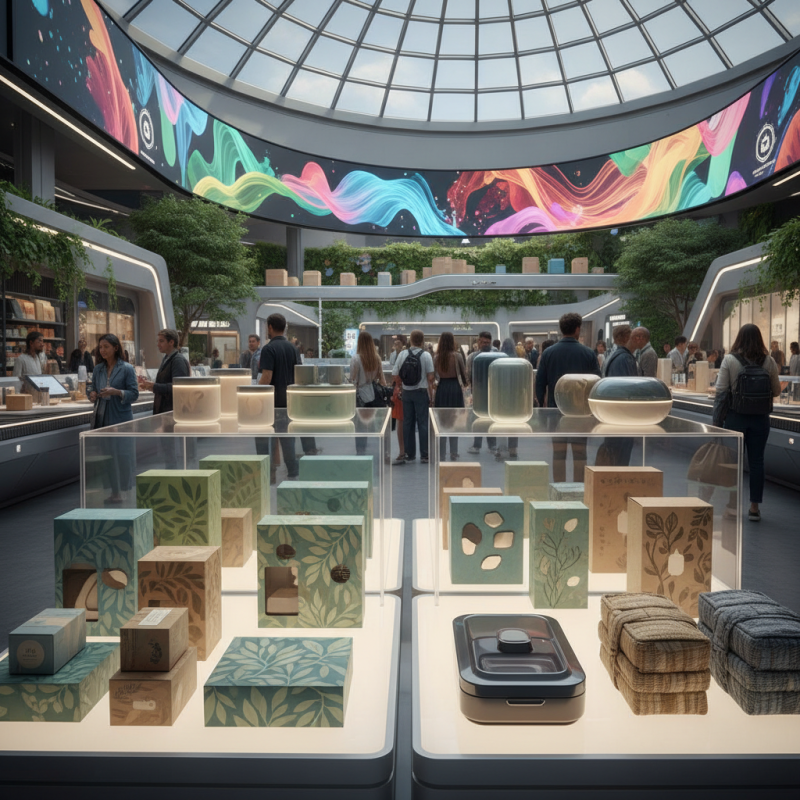
As retailers focus on sustainability in 2026, innovative materials are gaining traction. Biodegradable plastics, made from corn starch, are set to replace conventional materials. According to a recent study by Smithers Pira, the market for biodegradable packaging is expected to reach $25 billion by 2026. This shift reflects a growing consumer preference for eco-friendly options.
Recycled materials are also on the rise. Packaging made from post-consumer recycled content (PCR) not only reduces waste but also appeals to environmentally conscious buyers. Research indicates that 73% of consumers are willing to pay more for brands using sustainable packaging. However, challenges remain. Sourcing consistent, high-quality recycled materials can be difficult. Many manufacturers struggle to balance performance and sustainability.
Plant-based materials, like mushroom packaging, are becoming more popular. While they offer biodegradable solutions, they are still not widely accepted in large-scale production. This presents an opportunity for innovation. The industry must explore ways to improve scalability and performance without compromising environmental benefits. As we look to 2026, the journey toward sustainable retail packaging is just beginning, underscoring the need for continual improvement and adaptation.
Innovative Design Trends Influencing Consumer Engagement
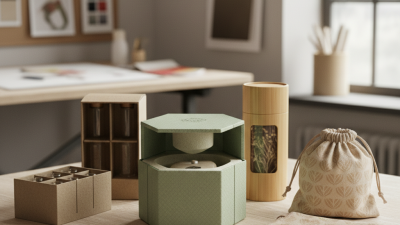
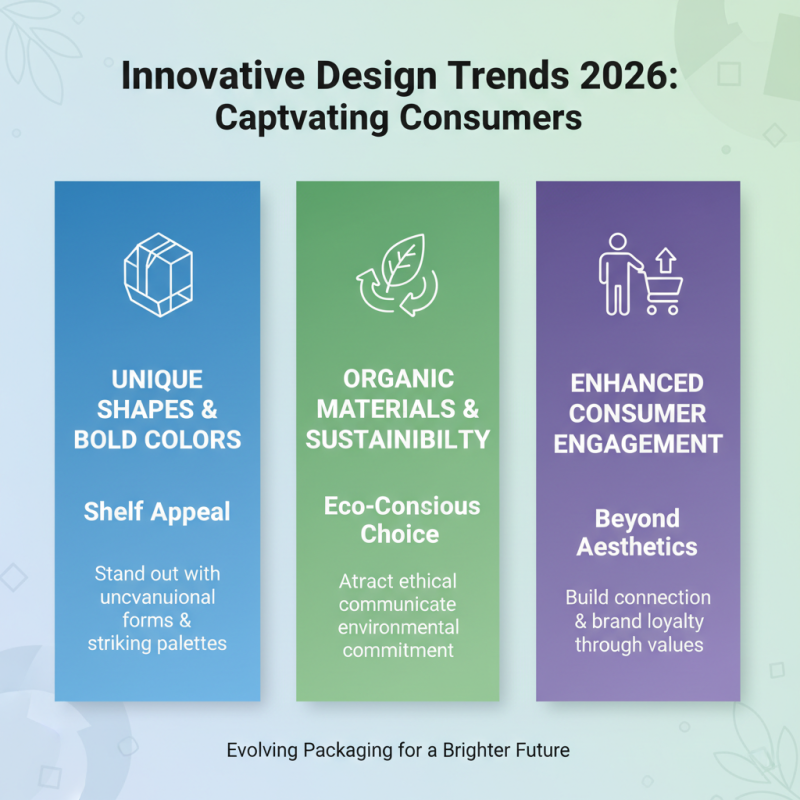
In 2026, packaging trends are evolving rapidly, driven by innovative designs that captivate consumers. Unique shapes and bold colors play a vital role in attracting attention on store shelves. Many brands are experimenting with organic materials that enhance sustainability. This approach not only appeals to eco-conscious shoppers but also communicates a brand's commitment to the environment.
Interactive packaging is another trend shaping consumer engagement. Designs may include QR codes or augmented reality features that enhance the experience. Consumers can scan these codes for additional information or fun content. However, not every idea is successful. Some consumers find complex designs confusing instead of engaging. Striking the right balance between creativity and functionality remains a challenge for brands.
Minimalistic packaging continues to resonate as well, revealing a shift toward simplicity. Clean lines and straightforward messaging speak to modern consumers seeking clarity. Yet, there's a risk of being overlooked in a crowded marketplace. Brands must invest time in refining their designs to ensure they stand out while remaining relatable. The key lies in continuous reflection and adaptation to consumer feedback, which ultimately drives long-term success.
The Role of Technology in Modern Retail Packaging Solutions
The landscape of retail packaging is evolving as technology advances. By 2026, estimates suggest that the global smart packaging market will reach $50 billion. This growth is primarily driven by innovations in technology, shaping the way brands interact with consumers. Digital printing, for example, allows for stunning customization. Consumers now expect personalized experiences reflected in their packaging.
Moreover, automation is transforming production lines. According to a recent report, 70% of retailers are adopting automated solutions to improve efficiency. This shift reduces human errors and speeds up production. However, challenges remain. Not all brands can invest in cutting-edge technology. Smaller businesses often struggle to keep up. They risk falling behind in creating appealing, efficient packages.
Sustainability continues to be a focus. A survey found that 60% of consumers prefer eco-friendly packaging. Retailers face the challenge of balancing technology with sustainable practices. Innovative solutions are needed to pack products effectively while minimizing waste. The integration of technology in packaging offers numerous possibilities, but it also raises questions regarding accessibility and environmental impact. Retailers must navigate this complex landscape to stay competitive.
2026 Best Retail Packaging Trends
Personalization and Customization in Packaging for Global Markets
In recent years, personalization and customization have transformed retail packaging. Buyers seek unique experiences that reflect their identity. Tailored packaging, from colors to materials, can create a strong emotional bond with consumers. Packaging has evolved into a canvas for brands to tell their stories. This trend promotes engagement and encourages repeat purchases.
However, the push for customization can create challenges. Brands must balance personalization with cost-efficiency. Small runs of unique designs might drive up production costs. Sustainability is also a concern; consumers increasingly prioritize eco-friendly options. Custom packaging must align with green practices to meet these expectations.
The risk of over-customization is another point to ponder. Consumers may feel overwhelmed by too many options. Streamlined choices often create a clearer and more impactful message. Companies should carefully analyze market feedback. Understanding what resonates can guide effective and meaningful packaging solutions.
Impact of Regulatory Changes on Packaging Trends for 2026
As we approach 2026, the retail packaging landscape will face significant shifts due to evolving regulations. A report by Smithers Pira highlights a projected 4.1% annual growth for sustainable packaging. This indicates a strong demand for eco-friendly solutions aligning with regulatory frameworks aimed at reducing plastic waste. Countries worldwide are tightening regulations on single-use plastics, which will push retailers to rethink their packaging strategies.
The European Union's recent directives aim to ban certain plastics by 2025. Brands must adapt to comply; failure to do so could lead to hefty fines. A survey by the Flexible Packaging Association shows that 52% of consumers are now more likely to purchase products with sustainable packaging. This behavior demonstrates a shift in consumer preferences, influenced by awareness of regulatory changes. Retailers cannot ignore this trend. Packaging redesigns will not just meet compliance but also resonate with environmentally conscious buyers.
Despite the positive outlook on sustainability, challenges remain. Some materials that meet regulations might still lack durability or consumer appeal. Retailers may need to experiment with combinations of traditional and innovative materials. Adaptation will require investment and testing. A balance between compliance and market viability will be essential for success in this evolving sector.
2026 Best Retail Packaging Trends for Global Buyers
| Trend |
Impact of Regulatory Changes |
Sustainability Focus |
Consumer Preference Shift |
Market Growth Potential |
| Minimalistic Packaging |
Increased compliance costs |
High |
Increasing |
Moderate |
| Smart Packaging Technology |
Stricter tech regulations |
Medium |
Growing |
High |
| Eco-Friendly Materials |
Regulatory support for green materials |
Very High |
Significant |
Very High |
| Personalized Packaging |
Data privacy laws |
Medium |
Very Positive |
High |
| Recyclable Packaging Solutions |
Enhanced recycling regulations |
High |
Increasing Awareness |
Moderate |