2026 Top Trends in Packaging with Corrugated Roll Solutions?
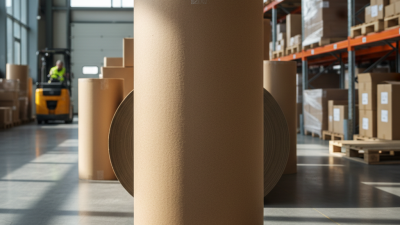
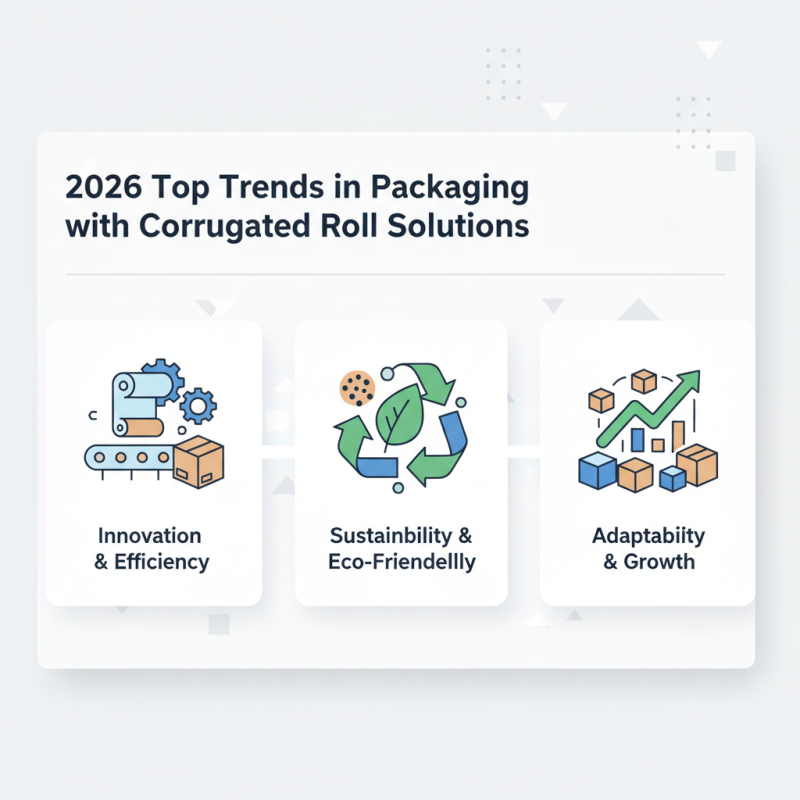
As the packaging industry evolves, 2026 brings notable innovations, particularly in Corrugated Roll solutions. These solutions not only enhance packaging efficiency but also support sustainability efforts. Businesses are increasingly drawn to these rolls due to their flexibility and durability. Corrugated Roll products can accommodate various shapes and sizes, meeting diverse client needs effectively.
There is an undeniable shift towards eco-friendly packaging. Companies recognize the importance of reducing their environmental footprint. Corrugated Roll packaging is often recyclable and biodegradable, making it an ideal choice for conscious consumers. However, the transition to new materials can pose challenges. Some businesses may struggle with the initial costs or adapting their production processes.
Exploring these trends in Corrugated Roll solutions reveals both opportunities and potential pitfalls. Companies must navigate the balance between innovation and practicality. Staying informed about advancements in materials and manufacturing is crucial. Those who adapt will thrive, but complacency may lead to setbacks.
Emerging Technologies in Corrugated Roll Packaging Solutions
The packaging industry is evolving rapidly, particularly in corrugated roll solutions. Emerging technologies are reshaping how products are packaged. These innovations focus on sustainability, efficiency, and customization.
One prominent tech is the use of digital printing. It allows for vibrant graphics and tailored designs without excessive waste. This method promotes quick turnaround times for brands. Additionally, smart packaging technology is gaining traction. It enhances tracking and inventory management. Sensors can monitor conditions during transportation, ensuring product safety.
However, challenges remain. Many companies struggle to adapt to these changes. Integrating new technologies can be resource-intensive. Moreover, the costs associated with these innovations may deter smaller businesses. Reflection on these hurdles is essential for future success. Embracing these trends thoughtfully can lead to a significant competitive edge in the market.
2026 Top Trends in Packaging with Corrugated Roll Solutions
| Trends |
Description |
Impact on Industry |
Emerging Technologies |
| Sustainability |
Increasing demand for environmentally friendly packaging. |
Reduction in waste and improved brand loyalty. |
Biodegradable materials and recycling advancements. |
| Smart Packaging |
Integration of technology to enhance user experience. |
Better consumer engagement and real-time tracking. |
RFID tags, QR codes, and NFC technology. |
| Customization |
Personalized packaging options for brands. |
Increased consumer satisfaction and brand differentiation. |
Digital printing and flexible manufacturing processes. |
| E-commerce Growth |
Rise in online shopping affecting packaging needs. |
Increased demand for protective and lightweight packaging. |
Innovative cushioning materials and easy-to-open designs. |
| Cost Efficiency |
Focus on reducing packaging costs. |
Lower operational costs and improved profit margins. |
Streamlined production and supply chain optimization. |
Sustainability Trends Influencing Corrugated Packaging Design
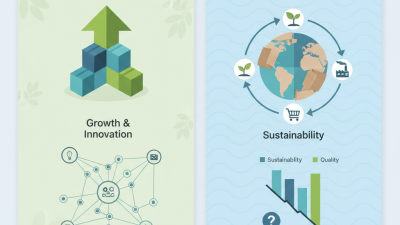
Sustainability is transforming the packaging industry, especially in corrugated design. More companies are prioritizing eco-friendly materials. Biodegradable options and recyclable designs are now essential. This shift not only meets consumer demand but also helps reduce environmental impact. Brands embracing these trends gain a competitive edge and enhance brand loyalty.
When designing corrugated packaging, consider the materials. Using recycled fibers reduces waste. Light-weight designs also lower transportation emissions. Implementing these strategies is not always easy. Brands may face challenges in sourcing sustainable materials. However, the long-term benefits often outweigh these hurdles.
Tips: Assess your supply chain for sustainable options. Engage with partners who prioritize eco-friendly practices. This collaboration fosters innovation and shared goals. Sustainability requires commitment. Brands must continually adapt to changing environmental standards. Each decision shapes the package's impact on our planet.
Consumer Preferences Shaping the Future of Packaging Solutions
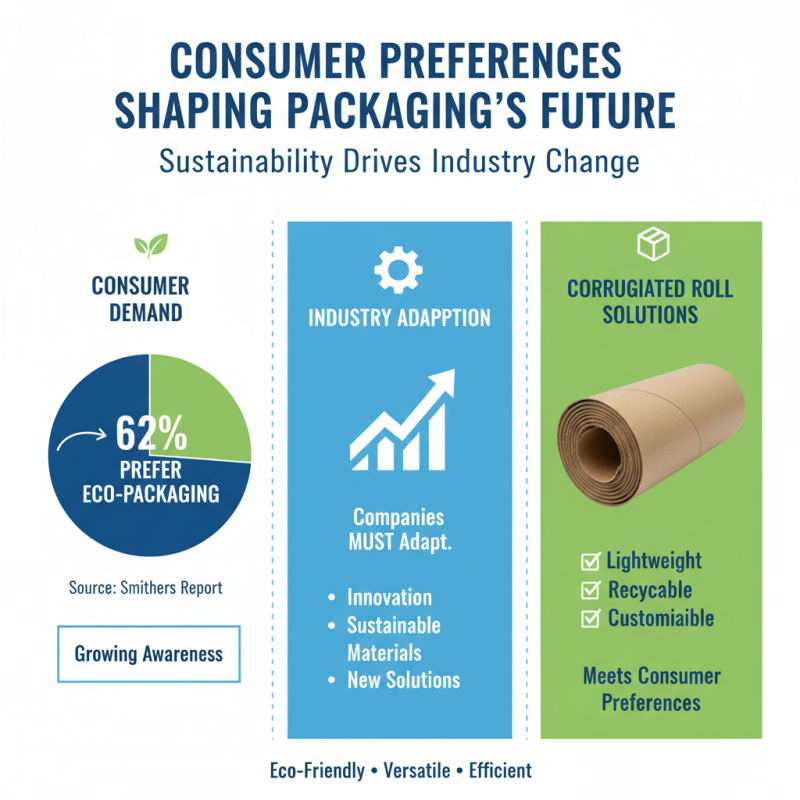
Consumers are becoming increasingly aware of sustainability in packaging. A recent report by Smithers shows that 62% of consumers prefer eco-friendly packaging materials. This trend drives significant changes in the packaging industry. Companies must adapt to meet these demands. Corrugated roll solutions provide an efficient, versatile alternative. They are lightweight, recyclable, and customizable. These features align well with consumer preferences.
Another study by IBISWorld highlights a notable shift in purchasing behavior. Customers are more likely to support brands that prioritize sustainable practices. Many are willing to pay a premium for products in eco-conscious packaging. This desire pushes manufacturers to innovate. While corrugated roll solutions show promise, ongoing challenges remain. Sourcing sustainable materials can be costly. Companies find balancing cost and eco-friendliness difficult.
Moreover, the demand for e-commerce packaging continues to rise. In 2022, the global e-commerce packaging market reached $45 billion. Corrugated rolls meet the requirement for durability and protection during shipping. However, these solutions must also embrace design aesthetics. Visual appeal matters to consumers. Striking the right balance between function and form is crucial for success.
Innovative Printing Techniques for Corrugated Roll Packaging
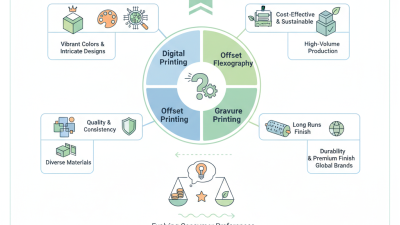
Innovative printing techniques play a vital role in enhancing corrugated roll packaging. Advanced technologies have emerged, allowing for high-quality, colorful designs. These methods elevate brand visibility and consumer appeal. Digital printing is one such technique that offers flexibility and precision. It enables short runs and customized designs without large upfront costs. This adaptability suits diverse packaging needs and shifting market demands.
Another noteworthy method is flexographic printing. This technique combines speed with cost-effectiveness. It utilizes flexible relief plates, creating vibrant designs efficiently. Brands can achieve consistent quality, even in bulk orders. However, achieving the perfect balance between cost and quality remains a challenge for many businesses. Sustainable practices must also be integrated into these processes to meet growing eco-conscious consumer expectations.
Further innovation lies in the use of augmented reality (AR) in packaging. AR can bring packaging to life, engaging consumers in a unique way. This technology can enhance the unboxing experience, providing interactive content on a smartphone. However, integrating AR into print poses technical hurdles that require careful consideration. The future of corrugated roll packaging is bright, but brands must continually adapt and innovate.
Market Insights: Demand for Corrugated Packaging in 2026
The demand for corrugated packaging is expected to surge in 2026. Businesses are recognizing its role in sustainability. Consumers are increasingly aware of environmental impact. They prefer products with eco-friendly packaging. This shift is pushing companies to adopt corrugated roll solutions.
Manufacturers are looking for innovative ways to create durable yet lightweight packaging. The need for efficiency in shipping drives this innovation. Logistics companies face challenges with traditional packaging methods. Corrugated packaging offers flexibility and adaptability for various products.
However, not all solutions are perfect. Companies may struggle with production costs. Sustainability may sometimes compromise performance. Understanding these complexities is crucial for growth. Industry stakeholders must stay informed about consumer preferences and emerging technologies to navigate this evolving landscape.