Top China Best Carton Pack Solutions for Global Buyers?
The global demand for efficient packaging solutions has never been higher. The carton pack industry plays a pivotal role in this context. According to a recent report by Smithers Pira, the global market for corrugated packaging is expected to reach $250 billion by 2025. This growth is driven by e-commerce and the need for sustainable packaging options.
Experts agree on the importance of innovative carton pack solutions. Dr. Lucy Chang, a leading expert in packaging technology, stated, "The right carton pack not only protects goods but also enhances brand value." This sentiment reflects a growing recognition within the industry about the critical role carton packs play in product delivery and branding.
However, challenges remain. Many producers struggle with sourcing high-quality materials at competitive prices. Balancing sustainability with performance is another ongoing issue. As businesses look for reliable partners, understanding the nuances of the carton pack market becomes essential for global buyers. Investing in quality carton packs can provide both durability and visual appeal, which are crucial in today’s competitive landscape.

Overview of Carton Packaging Solutions in China
Carton packaging solutions in China have gained significant traction among global buyers due to their efficiency and cost-effectiveness. Chinese manufacturers offer a wide range of options, from basic corrugated boxes to high-quality custom designs. This diversity caters to various industries, such as food, electronics, and retail. The materials used are often eco-friendly, aligning with growing sustainability trends.
While many businesses appreciate the affordability, challenges do arise. Some buyers report inconsistencies in quality, leading to concerns about durability. It’s essential for companies to vet suppliers thoroughly. Establishing clear communication regarding specifications can mitigate these issues. Additionally, understanding local regulations and compliance standards is crucial for seamless imports.
Many buyers also face language barriers and cultural differences. Collaborating with reliable intermediaries can help bridge these gaps. Despite the hurdles, the potential for innovation in carton packaging is vast. Continuous improvement in production techniques and customer service is vital for maintaining competitiveness in the global market. It's a dynamic field, reflecting broader trends in consumer preferences and environmental consciousness.
Key Players in China's Carton Packaging Industry
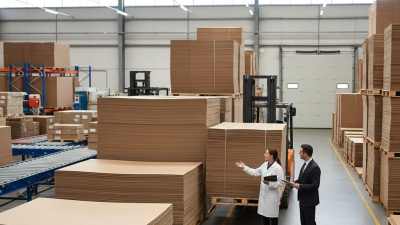
China's carton packaging industry plays a crucial role in meeting global demands. The sector is known for its diverse manufacturing capabilities. Key players in the industry focus on sustainable materials and innovative designs, appealing to eco-conscious buyers. Many companies adopt advanced technologies for efficient production. This helps them stay competitive in a global market increasingly leaning towards sustainability.
The competition among manufacturers drives constant improvement. Some firms excel in producing custom solutions tailored to client needs. However, not all approaches are flawless. A lack of standardization in certain areas can lead to inconsistencies in quality. Additionally, the rapid pace of innovation means some companies struggle to keep up, affecting their market position. Addressing these gaps is essential for long-term success in the carton packaging landscape.
Global buyers often prioritize reliability and quality when choosing suppliers. Many Chinese manufacturers emphasize transparency in their processes. Yet, challenges remain, such as navigating international regulations. Continuous adaptation is key for companies aiming to enhance their reputation. The array of choices in this dynamic industry offers promising opportunities, but it requires discernment from buyers.
Top Carton Packaging Solutions in China
Innovative Technologies in Carton Production
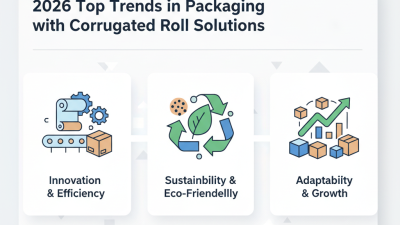
In recent years, carton production has embraced innovative technologies, transforming packaging solutions globally. Driven by sustainability, the industry has adopted eco-friendly materials. According to a recent report by Smithers Pira, the global demand for sustainable packaging is projected to grow by 7% annually through 2028. This trend underscores the importance of integrating sustainable practices in carton production.
Automation is another key advancement in this field. Smart manufacturing techniques improve efficiency and reduce waste. For instance, the introduction of AI and IoT in production lines has enabled real-time monitoring. This shift can cut down production costs by 25%, as reported by the Packaging Machinery Manufacturers Institute. However, adapting to these technologies can be a challenge for traditional manufacturers.
**Tip:** Stay updated on industry benchmarks to identify innovative technologies suitable for your needs. Embracing change can boost operational efficiency. Additionally, focusing on eco-friendly practices not only complies with regulations but also appeals to environmentally conscious consumers. Continuous improvement is vital in this fast-evolving sector.
Top China Best Carton Pack Solutions for Global Buyers
| Solution Type |
Material Used |
Technology |
Production Capacity (units/hour) |
Eco-Friendliness Rating |
| Standard Carton Boxes |
Recycled Kraft Paper |
Flexographic Printing |
600 |
A+ |
| Folding Cartons |
Coated Paperboard |
Digital Printing |
800 |
A |
| Specialty Boxes |
Corrugated Fiberboard |
3D Printing |
400 |
B+ |
| Luxury Packaging |
Fancy Paper |
Offset Printing |
300 |
A++ |
| Custom Solutions |
Biodegradable Materials |
Laser Cutting |
500 |
A++ |
Sustainability Practices in Chinese Carton Manufacturing
The carton manufacturing industry in China has made significant strides in sustainability. According to a report by Smithers Pira, the global demand for sustainable packaging is expected to reach $500 billion by 2025. In response, Chinese manufacturers are adopting eco-friendly practices to meet international standards.
Recycling is at the forefront of these efforts. Many companies source recycled materials, which reduces waste and conserves resources. A study by the China Packaging Federation noted that around 50% of all carton materials used in production come from recycled sources. This not only reduces environmental impact but also lowers production costs.
Energy efficiency is another critical focus. Manufacturers are integrating advanced technologies to minimize energy consumption. For instance, automated machinery and renewable energy sources are increasingly prevalent. However, challenges remain. Some manufacturers still rely heavily on non-renewable energy, which raises questions about their long-term sustainability practices. Continuous improvement is necessary for the industry to meet global expectations.
Global Market Trends Affecting Carton Packaging需求
The global market for carton packaging is undergoing significant transformation. Various trends are influencing demand, particularly sustainability and customization. Recent data from Smithers reveals that the global carton packaging market is projected to reach $307 billion by 2025, highlighting a growing shift towards eco-friendly materials. Consumers now prefer products packaged in recyclable materials. This trend reflects wider concerns about environmental impact.
Additionally, the demand for customized carton packs is rising. Many manufacturers are adapting to meet these needs. In fact, a report from Freedonia Group indicates that personalized packaging will continue to shape buyer preferences. This shift presents both opportunities and challenges for producers. They need to balance between cost-effectiveness and innovative designs while ensuring quality.
These market dynamics require continuous adaptation. Companies must reevaluate their supply chains and production processes. The ability to pivot quickly and integrate new technologies can create a competitive edge. However, this adaptability also brings complexity, as organizations must ensure compliance with global standards. Staying informed about these evolving trends is vital for success in the carton packaging industry.