2026 Best Kraft Packaging Options for Sustainable Solutions?
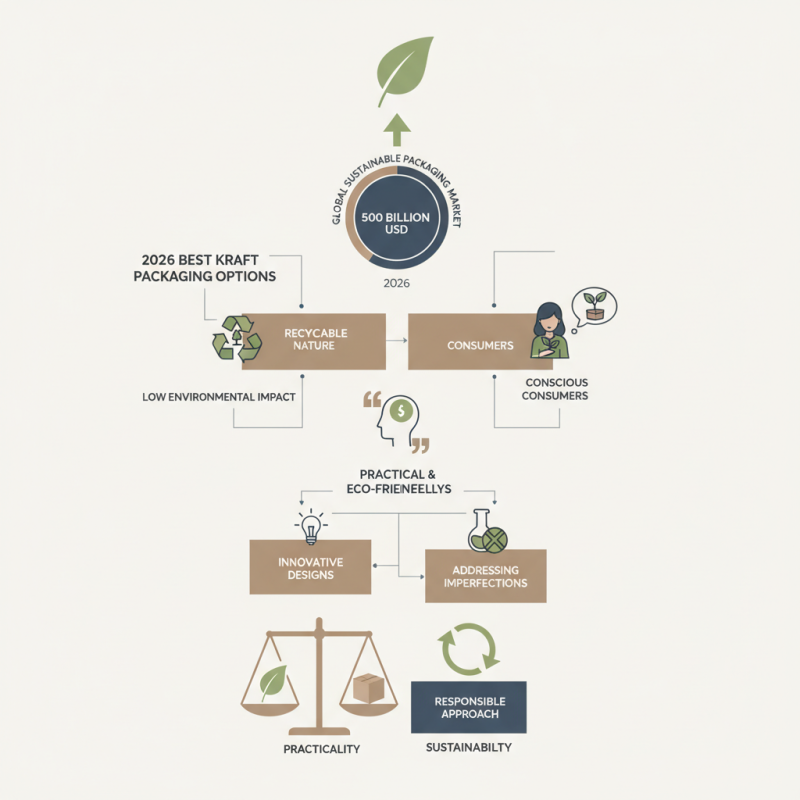
The growing demand for sustainable packaging has made Kraft Packaging a vital solution. A recent report by Smithers notes that the global market for sustainable packaging is projected to reach $500 billion by 2026. With its recyclable nature and low environmental impact, Kraft Packaging continues to gain traction among conscious consumers.
Expert in the packaging industry, Dr. Jane Thompson, emphasizes its importance. She stated, “Kraft Packaging is not just practical; it reflects a shift toward eco-friendliness.” Companies are exploring innovative designs to enhance functionality while minimizing waste. This balance between practicality and sustainability is a challenge.
As brands strive for greener alternatives, they must address imperfections in current methods. Not all Kraft Packaging options are created equal. Some may still rely on chemicals harmful to the environment. Reflecting on these issues will ensure a more responsible approach to packaging choices in the coming years.
Understanding Kraft Packaging: Definition and Benefits
Kraft packaging has gained popularity in recent years. It is made from recycled paper pulp. This material is biodegradable and recyclable, which makes it an eco-friendly choice. Consumers are increasingly seeking sustainable options for their products. Kraft packaging meets these demands effectively.
The benefits of Kraft packaging are numerous. It is known for its durability and strength, which can protect various items during transportation. Unlike plastic, it breaks down naturally, posing less risk to the environment. However, its production process can still have drawbacks. While the source materials are sustainable, not all Kraft products are processed ethically. It's crucial to consider the entire lifecycle of the packaging.
In addition, Kraft packaging offers versatility. It can be customized for different shapes and sizes. This adaptability allows businesses to cater to specific needs. Yet, there remains room for improvement in sourcing practices. As the demand for sustainability grows, industry leaders must prioritize transparently ethical processes. While Kraft packaging is a step forward, ongoing reflection and improvement are necessary for truly sustainable solutions.
Key Trends in Sustainable Kraft Packaging Materials for 2026
As we look ahead to 2026, the trends in sustainable kraft packaging are set to evolve significantly. The industry is increasingly focused on innovative materials that balance functionality with environmental responsibility. According to recent reports, the global market for sustainable packaging is projected to grow by 7.9% annually, reaching over $500 billion by 2026. This growth highlights the urgency for brands to adopt sustainable solutions.
In terms of material innovations, biodegradable and compostable kraft papers are gaining traction. Many manufacturers are now experimenting with plant-based coatings to enhance the performance of packaging while maintaining biodegradability. The Forest Stewardship Council (FSC) reports that using responsibly sourced materials can decrease the carbon footprint of packaging by 30%. However, challenges remain in scaling these solutions, as many consumers are still unaware of their benefits.
Consumer behavior is another critical factor. A recent survey indicated that 72% of shoppers prefer products with sustainable packaging. Yet, acceptance varies. Some consumers are hesitant about the price and availability of eco-friendly options. This gap presents an opportunity for brands to educate their markets, but it requires a commitment to transparency and quality. This multifaceted approach may be essential to drive the shift toward sustainable kraft packaging in 2026 and beyond.
2026 Best Kraft Packaging Options for Sustainable Solutions
| Kraft Packaging Material |
Sustainability Rating |
Recyclability |
Biodegradability |
Primary Application |
| Recycled Kraft Paper |
A+ |
Yes |
Yes |
Packaging for Food Products |
| Brown Kraft Paper |
A |
Yes |
Yes |
Gift Wrapping and Bags |
| Kraft Corrugated Board |
A- |
Yes |
Yes |
Shipping Boxes |
| Kraft Paper Bags |
A |
Yes |
Yes |
Retail Bags |
| Kraft Linerboard |
B+ |
Yes |
Yes |
Containerboard for Fruits |
Innovative Designs in Kraft Packaging for Eco-Friendly Solutions
The rise of kraft packaging reflects a shift towards
eco-friendly solutions.
Innovative designs are driving this trend. Companies seek sustainable materials that
minimize environmental impact. According to a recent report by Smithers Pira, the global market
for sustainable packaging is projected to reach $500 billion by 2026.
Kraft paper, made from wood pulp, offers a biodegradable alternative. It is both strong and versatile,
suitable for diverse applications. Recent studies suggest that kraft packaging can reduce carbon emissions by up to 30% compared to traditional plastics.
This reduction plays a crucial role in combating climate change. However, challenges remain, such as
sourcing sustainable wood and balancing costs.
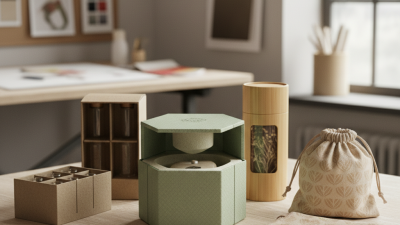
Design innovation is key in kraft packaging. Brands explore unique shapes and prints, enhancing
visual appeal. These designs can capture consumer interest
and promote sustainability. However, not all innovations are successful. Some may distract from the
core functional aspects of packaging. Brands must ensure that aesthetic changes do not compromise
the product's integrity. Balancing creativity with practicality is essential for lasting impact.
Comparing Biodegradable and Recyclable Kraft Packaging Options
The shift towards sustainable packaging is more than a trend—it's a necessity. Kraft packaging options now include two main categories: biodegradable and recyclable. Biodegradable kraft packaging breaks down naturally within a short timeframe. This option minimizes landfill contributions. However, the rate of degradation can vary based on environmental conditions.
On the other hand, recyclable kraft packaging is designed to be reused. Approximately 70% of kraft paper can be recycled, making it a popular choice for brands aiming for circular economy solutions. However, the recycling process itself often faces challenges. Contaminants and mixed materials can complicate recycling efforts.
According to recent industry reports, the global demand for sustainable packaging is expected to grow by 5.7% annually. This increase highlights the critical need for innovative materials that balance both biodegradability and recyclability. Consumers increasingly favor brands that demonstrate environmental responsibility. Yet, determining which option is truly more sustainable remains complex. Further research is needed to understand the long-term impacts of each type, and ongoing challenges must be addressed for broader adoption.
2026 Best Kraft Packaging Options for Sustainable Solutions
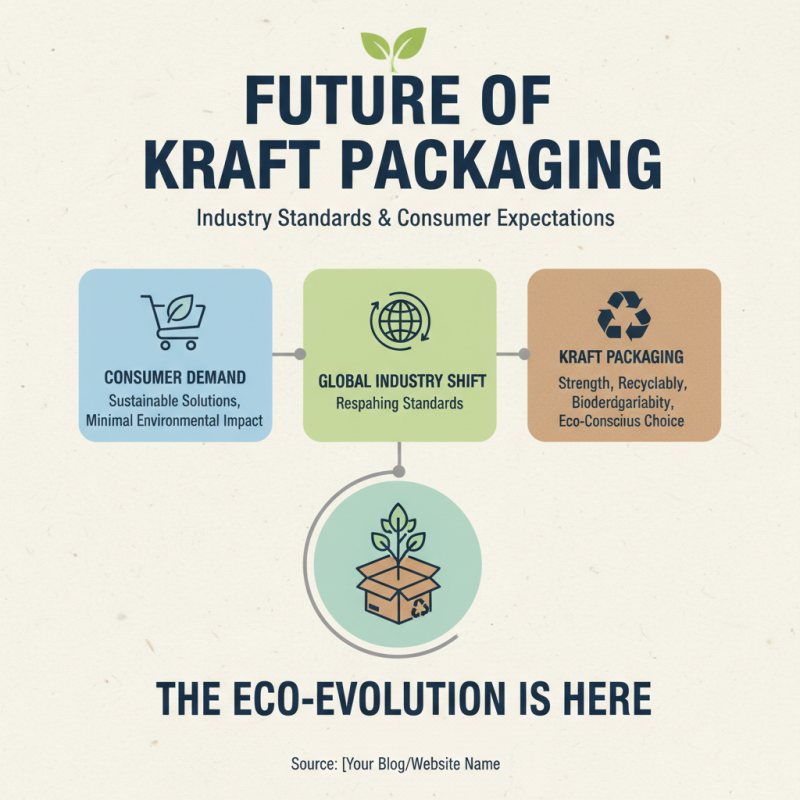
Future of Kraft Packaging: Industry Standards and Consumer Expectations
The landscape of kraft packaging is shifting. Consumers increasingly demand sustainable solutions. They want materials that minimize environmental impact. This expectation is reshaping industry standards globally. Kraft paper, known for its strength and recyclability, is gaining traction. Its biodegradability aligns with growing eco-consciousness.
However, challenges persist. Not every kraft packaging option meets sustainability claims. Some options still use harmful chemicals. Consumers are wary of greenwashing and seek transparency. Companies must demonstrate genuine commitment to eco-friendly practices. This requires clear labeling and responsible sourcing.
Moreover, the innovation in materials is vital. The industry is exploring new techniques like water-based inks and compostable coatings. These advancements can enhance the sustainability quotient. Yet, there’s a need for continuous research and development. Companies might fall short without investment in new technologies. The future of kraft packaging hinges on building trust with consumers and striving for innovative solutions.