How to Choose the Best Corrugated Packaging for Your Products?
Choosing the best corrugated packaging for your products can be challenging. The right choice can significantly impact your brand's success. According to John Smith, a leading expert in the Packaging Corrugated industry, “Good packaging protects your product and tells your brand story.” This highlights the importance of selecting suitable materials for your needs.
Packaging Corrugated has evolved over time. It offers durability and versatility, but not all designs fit every product. For example, fragile items require specially designed boxes. Similarly, large products may need customized solutions. Choosing the right packaging requires careful consideration of dimensions and weight.
However, many businesses still struggle with this process. They often overlook critical details or make assumptions about their products. This can lead to increased costs and damaged items. Reflecting on past choices can inform better decisions in the future. Understanding your specific requirements is essential for effective packaging.

Understanding the Basics of Corrugated Packaging Materials
When selecting corrugated packaging, understanding the materials is crucial. Corrugated cardboard consists of three layers: an inner liner, an outer liner, and a fluted medium. This design provides strength and cushioning. The fluted medium is typically made from various types of paper, which impacts durability and functionality. According to a report by Smithers Pira, the global corrugated packaging market is estimated to reach $450 billion by 2024, highlighting its importance in logistics.
Choosing the right material affects product protection. Single-wall constructions are suitable for lightweight items, while double or triple-wall options offer additional support. The right thickness also varies based on the product's weight and fragility. A study from Category Management Association indicated that nearly 30% of damages during shipping are due to inadequate packaging. This reflection urges brands to reconsider their choices and invest in quality corrugated solutions.
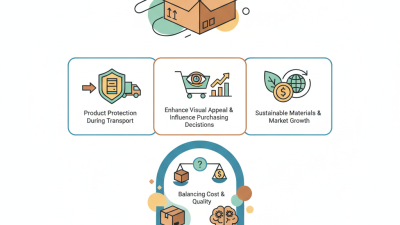
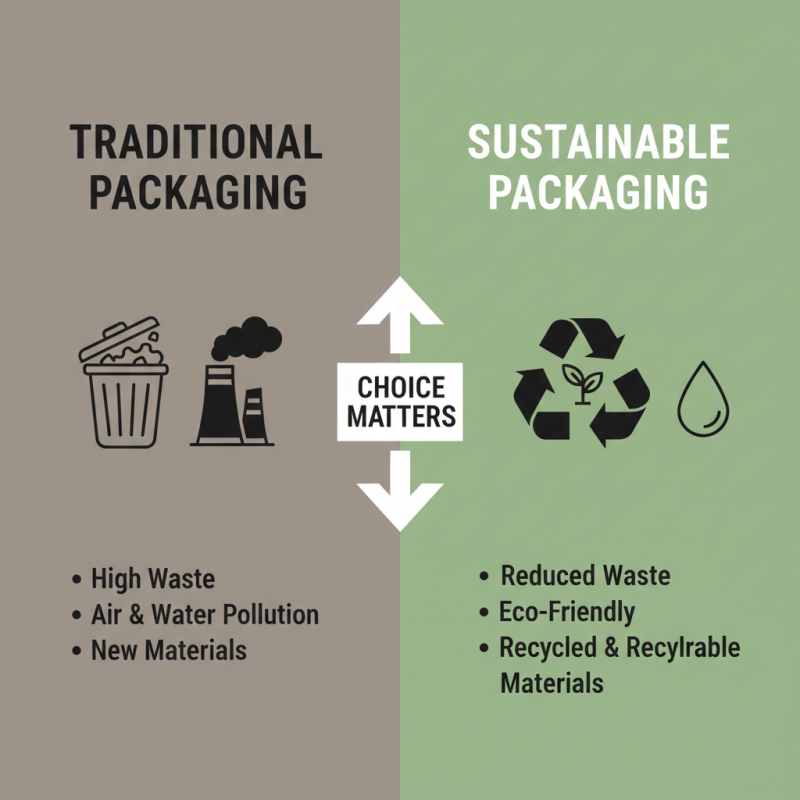
Another key factor is sustainability. Many consumers prefer eco-friendly packaging. Reports show that over 70% of consumers are willing to pay more for sustainable options. However, balancing cost and environmental impact remains a challenge. Thus, companies often find themselves at a crossroads, needing to rethink materials to meet growing demands for both safety and sustainability.
Understanding Different Types of Corrugated Packaging
Identifying Your Product's Packaging Requirements and Specifications
Choosing the right corrugated packaging starts with understanding your product's specifications. Different products have different needs. For fragile items, extra cushioning is essential. You may need double-wall boxes for added protection. Consider the weight of your products too. A lightweight item might get by with single-wall, while heavier items demand sturdier options.
Next, think about sizing. A box too big can lead to movement, risking damage. A snug fit is optimal, but don’t make it overly tight. Room for cushioning is important. Also, consider your product's shape. Irregular items might require custom solutions. Reflect on your current packaging. Is it effective? Does it keep products safe during transit? Gathering feedback can be helpful. Adjustments might be necessary to improve your packaging strategy.
Evaluating Different Types of Corrugated Boxes for Durability
When selecting corrugated packaging, durability is a critical factor. Different types of corrugated boxes offer varying levels of strength and protection. According to a report by the International Corrugated Packaging Foundation, nearly 75% of corrugated boxes fail during shipping due to inadequate material strength. This highlights the need for careful evaluation.
Single-wall, double-wall, and triple-wall boxes each have specific uses. Single-wall boxes are lightweight but may not withstand heavy items. Double-wall boxes are versatile and provide extra strength, making them suitable for fragile products. Triple-wall boxes offer maximum durability, ideal for industrial applications. Choosing the right type is crucial for minimizing damage.
Despite these options, some businesses still overlook the impact of humidity and temperature on box performance. Corrugated packaging absorbs moisture, which can weaken its integrity. A study found that humidity can reduce the strength of boxes by up to 30%. Therefore, focusing on environmental conditions is essential. Reflecting on your product's needs and storage conditions can enhance your packaging choices significantly.
How to Choose the Best Corrugated Packaging for Your Products? - Evaluating Different Types of Corrugated Boxes for Durability
| Type of Corrugated Box |
Quality Rating |
Weight Capacity (lbs) |
Durability (1-10) |
Best Use Cases |
| Single Wall |
Good |
25 |
5 |
Lightweight products, retail packaging |
| Double Wall |
Excellent |
50 |
8 |
Heavy or fragile items, shipping |
| Triple Wall |
Superior |
75 |
10 |
Industrial use, bulk items |
| Custom Print |
Very Good |
30 |
6 |
Branding, marketing |
| Pizza Box |
Good |
10 |
5 |
Food packaging |
Assessing Cost-Effectiveness and Supplier Options for Procurement
Choosing the right corrugated packaging is crucial for cost-effectiveness. According to a 2022 industry report, corrugated boxes account for 55% of the total packaging market. It’s essential to evaluate supplier options to maximize budget efficiency. Pricing can vary widely, with some suppliers offering lower rates that might compromise quality.
When selecting a supplier, consider not just the cost but also reliability. A recent survey indicated that 40% of businesses experienced delays due to poor supplier performance. This can lead to increased logistics costs. Calculate the total cost of ownership. It includes material costs, shipping fees, and potential losses due to damage.
Sustainability is also a key factor. Eco-friendly packaging can attract more customers, as studies show that 73% of consumers prefer sustainable options. However, greener materials often come with a higher upfront cost. Evaluate trade-offs between initial expenses and long-term benefits. Don’t overlook the potential for improved brand reputation with sustainable practices. The decision process may reveal oversights. Balancing cost and quality is an ongoing challenge.