How to Choose the Best Paper Bag Packaging for Your Business?
Choosing the right Paper Bag Packaging is crucial for any business. With the increasing focus on sustainability, many brands are turning to paper bags. “Sustainable packaging is not just a trend; it's a responsibility,” says Sarah Johnson, a leading expert in the packaging industry. Her insights shed light on the importance of selecting the right packaging material.
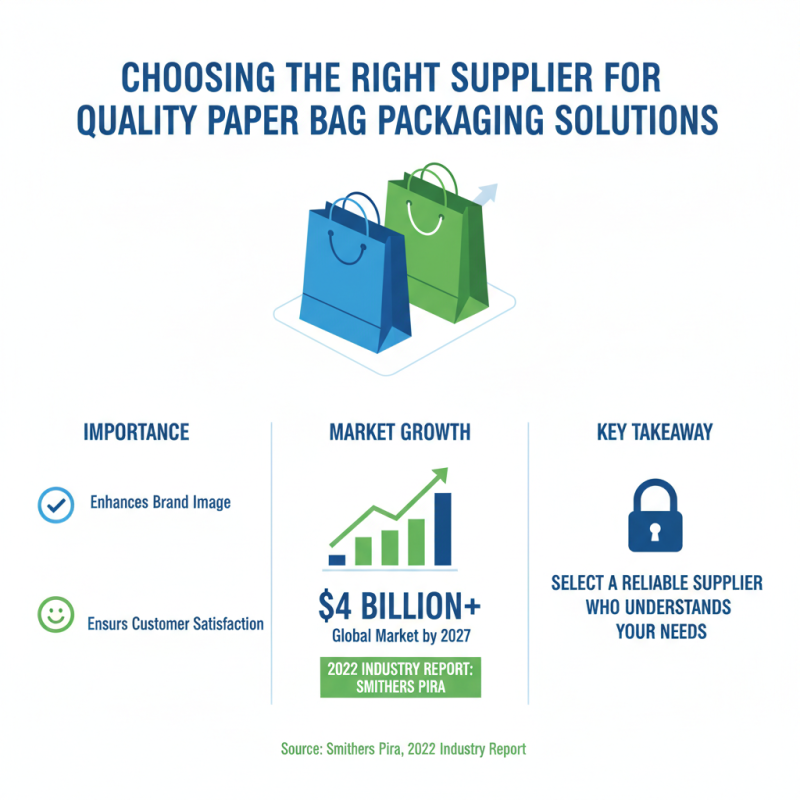
Each business has unique needs. You must consider your product, target audience, and brand message. Paper Bag Packaging can enhance your brand image. It conveys a commitment to the environment while ensuring quality. However, not all paper bags are created equal. It's essential to understand different materials, styles, and uses.
While paper bags offer numerous benefits, the choice can also be overwhelming. Assessing durability and design is key. A poorly chosen bag can lead to customer dissatisfaction. Reflecting on this, it’s important to weigh your options carefully. Quality packaging should support your brand while resonating with consumers.
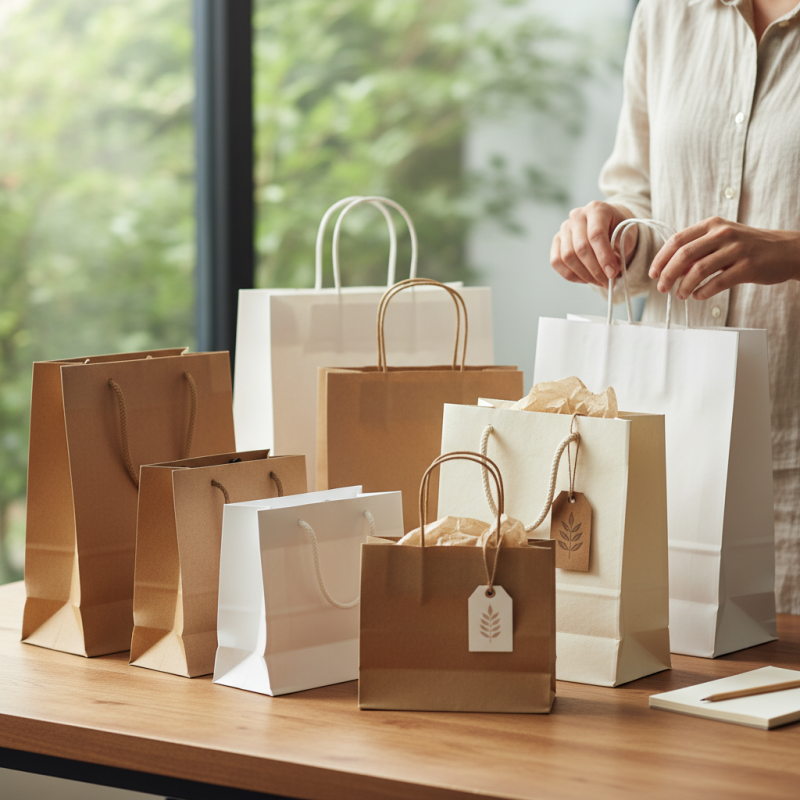
Understanding the Importance of Paper Bag Packaging for Your Business
Paper bag packaging is vital for any business aiming to establish a sustainable brand. Research shows that 70% of consumers prefer products packaged in eco-friendly materials. This preference highlights a shift towards responsibility in purchasing choices. Brands using paper bags can leverage this trend to enhance their image and attract new customers.
The versatility of paper bags is another key factor. They are available in various sizes and styles to suit different products. Nearly 50% of retailers report that branded paper bags help improve customer loyalty. The tactile feel of paper also adds an aesthetic quality, making products more appealing. Yet, it's essential to consider the impact of inadequate design. A poorly crafted bag can diminish perceived value.
While paper packaging has numerous benefits, sourcing sustainable materials presents challenges. Many businesses may struggle with cost management. In fact, 30% cite budget constraints as a barrier. Investing in quality paper bags helps maintain brand integrity over time. The right packaging can enhance customer experience and drive sales.
Identifying Your Packaging Needs Based on Product Characteristics
Choosing the right paper bag packaging involves understanding your product's unique characteristics. Consider factors like size, weight, and fragility. A heavier item requires thicker paper to ensure stability. For delicate products, opt for padded options that offer extra protection. The design should match the product’s aesthetics too. For instance, a luxurious item benefits from elegant finishes.
Your target market shapes your packaging decisions. If you cater to environmentally conscious consumers, opt for recycled materials. This choice not only appeals to their values but enhances your brand's reputation. Pay attention to usability. Easy-to-open bags improve the customer experience. However, not all designs cater to practicality. Some may look appealing but are hard to use.
Every detail matters. Evaluate the bag's strength, handle comfort, and overall appearance. Engage with customers to gather feedback on your packaging. Their insights can highlight areas needing improvement. Striking a balance between functionality and style is crucial. Test different options and be prepared to adapt. Embrace the process, as your initial choice may not be perfect.
Exploring Different Types of Paper Bags and Their Uses
When selecting paper bags for your business, consider the different types available.
Flat paper bags are versatile and easy to store. They are ideal for retail environments. These bags can hold lightweight items such as clothing or small gifts. Their simplicity makes them a popular choice.
Another option is the gusseted paper bag.
This design allows for more room and stability. They work well for packaging bulkier items like groceries or bakery products. The expandable sides provide more space, making them efficient for businesses with varied product sizes. Custom prints on these bags can enhance brand visibility.
Take time to explore eco-friendly options, such as recycled paper bags. Customers appreciate sustainable choices. These bags often evoke a positive response. However, they may not always hold up against wet or heavy items. It’s crucial to test the durability for your specific needs. Each type of paper bag has its pros and cons. Finding the right one involves balancing functionality and aesthetics.
Evaluating Sustainability and Environmental Impact of Paper Bags
When evaluating the sustainability and environmental impact of paper bags, it's crucial to understand their lifecycle. According to the Environmental Paper Network, producing paper bags can consume up to 70% more energy than plastic bags. However, paper bags are biodegradable and can decompose in 3 to 6 months, whereas plastic can take hundreds of years. This degradation aspect plays a vital role in minimizing long-term waste.
Choosing recycled paper can further enhance sustainability. The Forest Stewardship Council reports that recycled paper production uses 60% less energy and significantly less water. However, companies need to consider the source of their paper. Not all paper is created equal; some might come from unsustainable logging practices. This raises ethical and environmental concerns that businesses must navigate.
Tips for selecting paper bags: Look for certified recycled materials. Investigate the manufacturing practices of your supplier. Ensure that the bags are strong enough to minimize waste from damages. Remember, a balance between durability and environmental impact is essential, even if it’s not perfect. Use your packaging choices as an opportunity to educate consumers. Transparency in your sourcing can enhance brand loyalty and reflect your commitment to sustainability.