How to Choose the Best Cardboard Shipping Boxes for Your Needs?
Choosing the right cardboard shipping boxes is crucial for any business. These boxes serve as the first line of protection for your products during transit. The right choice ensures your items arrive safely at their destination.
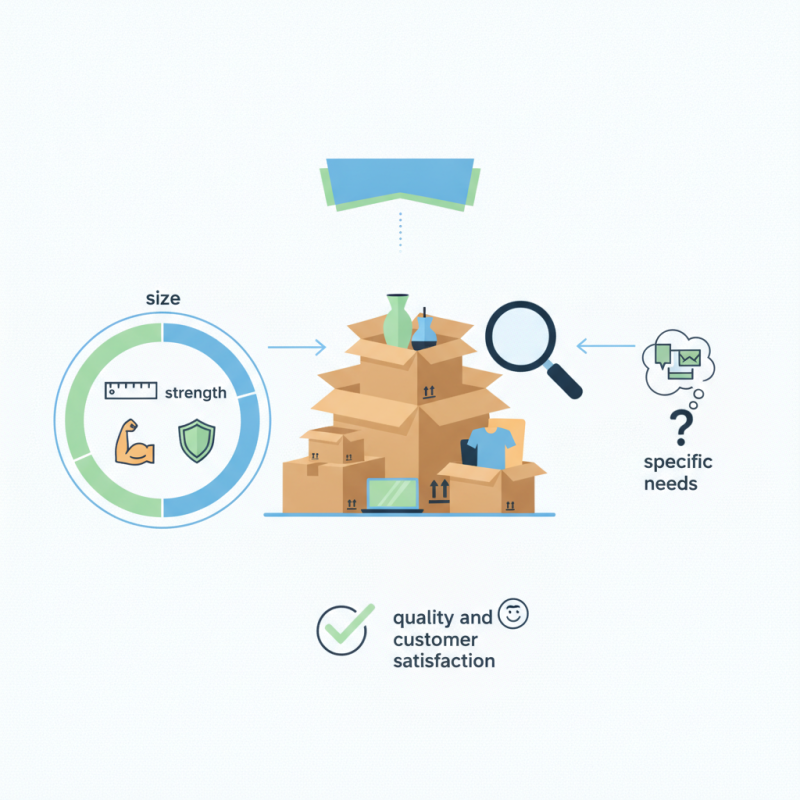
When selecting cardboard shipping boxes, consider size and strength. They should fit your products snugly, minimizing movement inside. Also, the material's durability is vital. Strong boxes reduce the risk of damage during handling and shipment, which can save time and money.
It’s important to reflect on your specific needs. Not all shipping boxes are created equal. Each business has unique requirements. Overlooking these details can lead to costly mistakes. Remember, investing time in choosing the right cardboard shipping boxes reflects your commitment to quality and customer satisfaction.
Understanding Different Types of Cardboard Shipping Boxes
When selecting cardboard shipping boxes, understanding the types available is crucial. There are various styles, each designed for specific needs. Regular slotted containers (RSC) are the most common. They feature flaps that meet in the center and can hold a variety of products. Their versatility makes RSC boxes ideal for many shipping scenarios.
Another type is the full-overlap container (FOL). This box has flaps that cover its entire length. It provides extra strength for heavy items. Then, there are die-cut boxes, custom-sized to fit particular products. These can minimize movement during shipping. However, they may be pricier than standard options.
Choosing the right box also involves understanding your products' weight and fragility. A lightweight item may only need a simple, less durable box. On the other hand, fragile items require more protective packaging. Assessing these needs can feel overwhelming. Not every box will suit every situation. Reflection on past shipping experiences can guide future decisions, helping you avoid missteps.
Types of Cardboard Shipping Boxes and Their Uses
Factors to Consider When Selecting Cardboard Shipping Boxes
When selecting cardboard shipping boxes, several key factors must be considered to meet specific needs. One critical aspect is the box size. A well-fitted box minimizes movement during transit, reducing the risk of damage. According to industry reports, nearly 30% of product damage during shipping occurs due to improper box sizing.
Material thickness is another important consideration. The strength of cardboard is typically measured by the flute size. Regular slotted containers (RSC) are commonly used, but double-wall boxes provide extra protection for heavier items. It is advisable to check the box's edge crush test (ECT) rating. An ECT of 32 or higher is suitable for heavier shipments.
Tip: Always calculate the total weight of your shipment first. This will help you choose the right box thickness.
Additionally, consider your shipping method. If using a carrier known for rough handling, opt for sturdier boxes. Environmental impact is also significant. Sustainable options are available, and choosing recyclable materials can enhance your brand image. Think about your packaging process, too. Complex designs may lead to inefficiencies.
Tip: Don’t overlook checking supplier reliability. A good supplier can provide insights based on experience and data trends.
Reflecting on these factors can refine your shipping process, ensuring safety while being environmentally conscious.
Assessing Box Strength and Durability for Your Products
When it comes to shipping products, box strength and durability are critical factors. According to a 2020 report by the International Safe Transit Association (ISTA), nearly 30% of shipping damage occurs due to inadequate packaging. This statistic highlights the importance of choosing the right cardboard boxes for your items. The quality of the material used can significantly impact the box's ability to withstand various environmental conditions and handling processes.
Cardboard boxes are often rated by their bursting strength and edge crush test (ECT) ratings. The ECT rating measures how much weight the box can hold without collapsing. A box with a higher ECT rating provides better protection and is suitable for heavy or fragile items. For instance, a 32 ECT box can support around 65 pounds of weight. However, some businesses choose lower-rated boxes to cut costs, risking damage to their products during transit.
In reality, many companies underestimate the conditions boxes will face. Factors like moisture, temperature fluctuations, and rough handling can affect box integrity. This leads to increased returns and unhappy customers. Industry surveys suggest that over 40% of a company's total shipping costs may arise from damage and returns. It’s worth considering whether the savings from cheaper boxes align with the potential long-term expenses incurred from product damage.
How to Choose the Best Cardboard Shipping Boxes for Your Needs?
| Box Type |
Weight Capacity (lbs) |
Size (inches) |
Durability Rating |
Ideal Use |
| Regular Slotted Container (RSC) |
30 |
12 x 12 x 12 |
B Flute |
General Shipping |
| Die-Cut Box |
25 |
10 x 8 x 6 |
C Flute |
Retail Packaging |
| Full Overlap Slotted Container (FOL) |
40 |
16 x 16 x 16 |
E Flute |
Heavy-Duty Shipping |
| Multi-Depth Box |
35 |
Varied Sizes |
C Flute |
Versatile Shipping |
| Padded Mailer |
5 |
9 x 12 |
N/A |
Documents & Small Items |
Customizing Cardboard Boxes for Branding and Functionality
Customizing cardboard boxes enhances your brand identity. When you add your logo or specific colors, customers recognize your products instantly. This branding helps establish trust and enhances customer loyalty. Think about the designs that resonate with your target audience. Simplicity often works best.
When considering functionality, box size matters. Too large and products can shift during transit, causing damage. Too small can lead to packing issues. Opt for a snug fit that protects your items naturally. A reinforced box adds protection for fragile items.
Tips: Incorporate unique patterns or textures to engage customers. Consider eco-friendly materials for sustainability, which many consumers appreciate. Test different designs to see what appeals to your audience. Regularly gather feedback to optimize your packaging strategy. Don't forget to assess your shipping processes too. Efficiency can save costs in the long run.