How to Choose the Best Hard Cardboard for Your Business?
Choosing the right hard cardboard for your business can significantly impact your packaging and shipping costs. Recent industry reports indicate that nearly 45% of companies face challenges related to inadequate packaging solutions. Hard cardboard is often the ideal choice due to its strength and durability. A study by Smithers Pira highlights that the demand for cardboard packaging is projected to grow by 4% annually through 2025.
When considering hard cardboard, evaluate its weight capacity, thickness, and environmental impact. For example, heavier products require thicker cardboard to prevent damage during transit. According to a survey by the Packaging Association, 80% of businesses have switched to more sustainable packaging materials, influencing their choice of hard cardboard options.
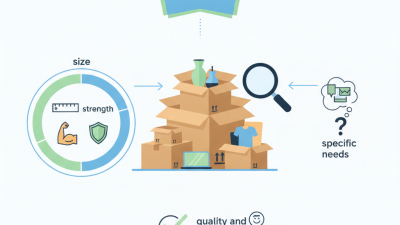
Businesses must reflect on their specific needs. Not every hard cardboard type will suit all products. It’s essential to assess both short-term costs and long-term benefits. A misalignment in this area can lead to higher returns and customer dissatisfaction. Thus, selecting the right hard cardboard is not a trivial decision; it requires careful consideration and professional expertise.

Understanding Different Types of Hard Cardboard Materials
Choosing the right hard cardboard for your business starts with understanding the materials available. Hard cardboard, often used for packaging and protection, comes in various types. Each type has unique properties that cater to different needs. Common types include solid bleached sulfate, chipboard, and grayboard. Solid bleached sulfate is strong and perfect for premium products, while chipboard is more cost-effective and suitable for basic packaging. Grayboard offers excellent durability for heavier items.
When selecting hard cardboard, consider your specific requirements. Let’s look at some tips that may help. Assess the weight of your products. Heavier items need sturdier cardboard. Also, think about aesthetics. If your packaging needs to look appealing, choose materials that can hold ink or prints well.
Remember, not all cardboard is created equal. Take time to sample different types before making a bulk order. This trial phase can reveal unexpected preferences. You may find that a seemingly perfect option doesn’t perform as expected during handling or shipping. Feedback from your team or clients can be invaluable in refining your choice.
Evaluating the Strength and Durability of Cardboard Options
When it comes to evaluating cardboard options for business use, strength and durability are paramount. Businesses often rely on cardboard for packaging, shipping, and storage. A sturdy, durable cardboard can protect products during transit. Factors like thickness, material type, and structure play critical roles in a cardboard's performance.
Consider the grades of cardboard. Different grades indicate varying strengths. For example, double-wall cardboard offers enhanced strength compared to single-wall options. Yet, not all businesses need the highest grade. It must align with packaging needs and costs. A balance between cost efficiency and required durability is crucial. Assessing your specific requirements can lead to better material choices.
Reflecting on past experiences reveals the importance of testing. Some businesses discover their cardboard choices do not withstand expected conditions. Using test runs can help identify suitable options. Make sample shipments before large-scale purchases. This process highlights potential weaknesses. It's an opportunity to refine cardboard selections for superior durability.
Assessing Cost-Effectiveness for Your Business Needs
When choosing hard cardboard for your business, cost-effectiveness is vital. Think about your specific needs. Not all projects require the same thickness or durability. Sometimes, a lower quality cardboard may seem appealing due to its price, but it might not withstand the test of time. This can lead to higher costs later, like product returns or reprints.
Tip: Always assess the purpose of the cardboard. Is it for packaging or displays? This affects the type you need. Then, compare suppliers. Get samples to evaluate quality without initial commitments.
Analyze your budget carefully. Balance quality and price. Sometimes spending a bit more upfront saves money down the line. Consider bulk purchases for discounts, but ensure the quality meets your standards. Don't underestimate the importance of reliability in your supply chain. A lapse can disrupt your entire business.
Tip: Create a checklist of essential features. Document performance, durability, and cost. This reflection can guide better decision-making. Remember, the right choice can elevate your brand, while the wrong one may harm it.
Identifying Sustainability and Environmental Impact Factors
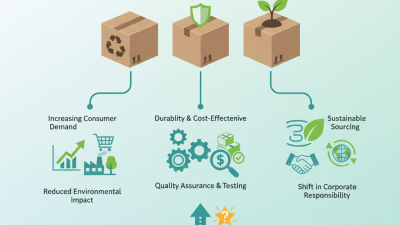
When choosing hard cardboard for your business, consider its sustainability. The environmental impact of packaging materials is significant. You need to balance durability with eco-friendliness. Look for sources that prioritize recycled materials. This can reduce waste and energy consumption. A product made from 100% recycled content or easily recyclable is often the better choice.
Additionally, check for certifications. They can indicate responsible sourcing and production practices. Transparency is crucial. If information about the material is hard to find, it's a red flag. Engagement with suppliers can provide insights into their environmental practices. Some companies may claim to be sustainable without real proof. These facets require thorough investigation.
Mindfulness of carbon footprints can alter your choices. Test various types of hard cardboard for effectiveness and environmental impact. Documenting your experiences can highlight strengths and weaknesses. Every decision counts. It’s essential not to overlook the bigger picture of sustainability.
Selecting the Right Thickness and Weight for Your Projects
When selecting cardboard for your projects, thickness and weight are critical factors. A report by Smithers Pira indicates that the right materials can enhance packaging performance by up to 25%. Understanding weight is essential. Cardboard is typically measured in grams per square meter (GSM). For instance, 300 GSM is thick and offers durability for heavy products, while 150 GSM suits lighter items.
Thickness can be deceiving. Many assume thicker means stronger, but that's not always true. Cardboard with an inappropriate balance of thickness could lead to fragile structures. The Fiber Box Association suggests considering the type of product you'll package. For delicate items, lighter cardboard might perform better, reducing breakage risk.
Common choices vary. For general use, 200-300 GSM is often recommended. However, custom needs may arise. A company might find that specific projects require unique specifications. It's vital to test samples before committing, as the visual and tactile qualities can significantly impact the final product's efficacy. This approach not only protects your goods but also ensures your packaging resonates with customers.
How to Choose the Best Hard Cardboard for Your Business?
| Thickness (mm) |
Weight (g/m²) |
Best Use Case |
Durability Rating |
| 1.5 |
300 |
Lightweight Packaging |
Low |
| 2.5 |
350 |
Product Displays |
Medium |
| 3.0 |
400 |
Shipping Boxes |
High |
| 4.0 |
450 |
Heavy Duty Applications |
Very High |
| 5.0 |
500 |
Industrial Use |
Ultra High |