How to Choose the Best Retail Packaging for Your Product?
In the evolving landscape of retail, choosing the right Retail Packaging is crucial for brand success. Experts in the field emphasize its impact. John Smith, a leading figure in packaging design, once stated, "Great packaging speaks volumes about your product." This highlights how thoughtful design can enhance a consumer's perception.
Effective Retail Packaging does more than protect products; it communicates values and fosters connections. It creates an emotional bond with customers. Consider how eco-friendly materials can attract environmentally conscious consumers. Visual elements must reflect brand identity clearly while being functional. Small changes can significantly impact consumer decisions.
Navigating the myriad of options requires careful consideration. What resonates with your target audience? Experimentation often leads to insights. There are no one-size-fits-all solutions in Retail Packaging. Each product has unique needs. Thus, reflection is essential in creating packaging that truly represents your brand.
Identifying Your Product’s Unique Selling Points for Packaging
When considering retail packaging, it's crucial to reflect on your product’s unique selling points (USPs). According to a 2021 survey by Packaging Strategies, 72% of consumers say packaging design influences their purchasing decisions. This statistic emphasizes the need to invest time in identifying what makes your product stand out.
Consider attributes like sustainability, functionality, and aesthetics. For instance, a product with eco-friendly materials can appeal to environmentally conscious consumers. In fact, a report from Nielsen indicated that 66% of global consumers are willing to pay more for sustainable brands. Additionally, your packaging can tell a story. A distinctive visual identity can create an emotional connection. Research from the Packaging Industry Association indicates that products with emotional branding achieve 32% more sales.
However, perfecting packaging isn't easy. Many companies overlook the importance of consumer feedback in the design process. Engaging with your target audience can uncover insights that internal teams might miss. A report by the American Marketing Association noted that 47% of companies fail to solicit customer opinions on packaging. This gap can lead to missed opportunities and wasted resources. Packaging should evolve alongside your brand and its audience.
Understanding Different Types of Retail Packaging Materials
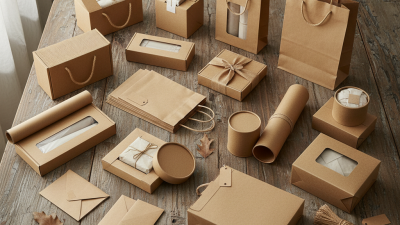
Choosing the right retail packaging materials can greatly influence your product's market success. Many types are available, and understanding each type is essential. For instance, cardboard is a popular choice. It's lightweight and recyclable. Consumers appreciate eco-friendly options. However, cardboard may not be as durable for heavy items.
Plastic is another common packaging material. It offers flexibility and can be molded into various shapes. Packaging made from plastic seals freshness effectively. Yet, it raises concerns about environmental impact and recycling challenges. Brands often need to consider sustainability when opting for plastic.
Glass packaging exudes quality and appeals to upscale markets. It preserves flavor and aroma effectively. However, glass is fragile and may increase shipping costs. Finding the right balance between cost, visual appeal, and functionality is crucial. Each material has its pros and cons, and reflection on consumer preferences can guide better choices.
Evaluating Market Trends and Consumer Preferences in Packaging
Choosing the right retail packaging goes beyond aesthetics. Market trends and consumer preferences play a crucial role in this decision. Today, consumers are increasingly drawn to sustainable packaging. Research shows that 70% of shoppers prefer eco-friendly options. This shift indicates a growing awareness about environmental impacts.
Additionally, packaging design must capture attention quickly. Eye-catching colors and unique shapes can differentiate products on crowded shelves. However, simplicity often resonates more than complexity. Cluttered designs can confuse customers. A clean, clear presentation may enhance product appeal.
Keep in mind, trends evolve rapidly. What works today might not resonate tomorrow. Regularly revisiting consumer insights is essential. Companies must balance creativity with reliability to stay relevant. Listening to feedback can reveal important insights into consumer preferences. The challenges of adapting to these shifts require ongoing reflection and innovation.
Designing Packaging That Enhances Brand Identity and Attractiveness
Designing packaging that enhances brand identity is crucial in today’s competitive market. The right packaging not only protects the product but also communicates the brand’s values. Consumers often make quick judgments based on packaging alone. Eye-catching designs and thoughtful materials can attract attention on shelves.
Consider the colors and shapes that resonate with your target audience. Bright colors can evoke excitement, while muted tones may suggest elegance. Texture is another essential element. A matte finish can feel premium, while a glossy finish might appear more playful. Packaging should reflect the product’s essence and appeal to emotions.
It's challenging to balance creativity with practicality. Sometimes, a unique design can overshadow functionality. Always ask if the packaging truly serves its purpose. Test different designs with real customers to gather feedback. Iteration is vital. Packaging should be a blend of art and strategy, constantly evolving with consumer preferences.
Retail Packaging Strategies Impact on Brand Recognition
This chart illustrates the effectiveness of different retail packaging strategies in enhancing brand recognition among consumers. The data is based on market research indicating preferences among consumers.
Considering Cost-Effectiveness and Sustainability in Packaging Choices
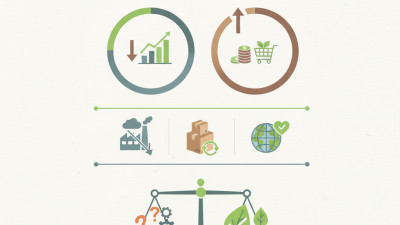
When selecting retail packaging, cost-effectiveness and sustainability are vital considerations. In 2022, a report from McKinsey indicated that 75% of consumers prefer packaging that has less environmental impact. This shift in consumer preference impacts how businesses approach their packaging choices. Sustainable materials often come with a higher upfront cost, yet they can represent long-term savings through reduced waste disposal costs and favorable consumer response.
While evaluating options, companies may face challenges. The balance between cost and eco-friendliness isn't always straightforward. For instance, biodegradable materials can be approximately 30% more expensive than standard plastics. However, a sustainable choice can enhance brand reputation, attracting the eco-conscious market. A Nielsen report found that 66% of global consumers are willing to pay more for sustainable brands. This willingness suggests that the perceived value of eco-friendly packaging can outweigh initial costs.
Retail packaging should reflect a thoughtful approach to both sustainability and cost. Some brands are still grappling with the complexities of implementing greener options. Inadequate research or failure to communicate the benefits of sustainable packaging can lead to consumer confusion. As the industry evolves, embracing transparency will not only build trust but also drive change. Companies must continually reevaluate their practices to ensure they meet consumer expectations while remaining economically viable.