10 Essential Tips for Effective Business Packaging Strategies
In the realm of Business Packaging, effective strategies can make or break a product's success. According to Mark Jones, a renowned expert in packaging and branding, “Good packaging not only protects the product but also tells its story.” This statement captures the essence of Business Packaging in today’s competitive market.
Understanding how to package a product is crucial. Many businesses overlook the importance of design and functionality. For example, a visually appealing package can attract customers, but if it fails to protect the product, it undermines the entire investment. On the other hand, practical packaging that lacks aesthetic appeal may struggle to engage consumers.
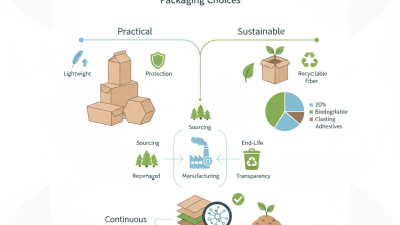
Creating a balance is challenging. Companies must consider sustainability while meeting consumer expectations. Packaging should reflect brand values without compromising on quality. In this ongoing journey of improvement, businesses must adapt and innovate. Continuous reflection and adjustment are essential to ensure effective Business Packaging strategies lead to tangible results.

Understanding the Importance of Business Packaging in Marketing
Packaging is not just about protection; it plays a vital role in marketing. Thoughtful packaging can evoke emotions and create connections with customers. It’s a physical manifestation of a brand's identity. A well-designed package can attract attention on crowded shelves. But not all designs resonate with consumers. Sometimes, businesses overlook the significance of color, material, and shape. Each element counts.
Consider the user experience. Packaging should be easy to open and use. If a customer struggles with packaging, frustration sets in. Poor design can lead to negative perceptions.
It is crucial to involve customers in testing different designs. Feedback can reveal what works and what doesn’t. Yet, some companies fail to reach out. They miss opportunities to improve their packaging effectiveness.
Think about sustainability, too. Consumers are becoming more eco-conscious. They appreciate brands that use recyclable materials. Yet, balancing aesthetics and eco-friendliness can be challenging. Some packages look great but are wasteful. Other designs are functional but lack appeal. Finding that middle ground is not easy. Reflection on packaging strategies is necessary for growth.
Identifying Your Target Audience for Tailored Packaging Solutions
Identifying your target audience is crucial for successful packaging strategies. According to a recent report, 72% of consumers say packaging influences their purchase decisions. Understanding their preferences can transform your approach to design. Knowing their demographics helps pinpoint colors, styles, and materials that appeal to them.
Tip: Research your audience’s preferences deeply. Use surveys or social media insights to gather data. Analytics can shed light on what resonates with different age groups. For instance, millennials may favor sustainable materials, while older consumers could prioritize functionality.
Another critical factor is emotional connection. A well-designed package can evoke feelings, making your brand memorable. A study shows that emotional packaging can increase brand loyalty by 30%. However, don’t ignore basic principles. Ensure practicality and protection for the product. Reflect on your packaging’s purpose and whether it aligns with consumer expectations.
Tip: Test different designs with small focus groups. Listen to feedback, and don't hesitate to revise. Perfect packaging requires continuous evaluation. Aim for designs that not only attract but also serve your audience’s needs effectively.
Choosing Sustainable Materials for Eco-Friendly Packaging Strategies
When it comes to packaging, choosing sustainable materials is vital. Many businesses struggle with this decision. Some options, like recycled paper and biodegradable plastics, can create a positive impact. However, these materials can also challenge traditional manufacturing processes. It prompts companies to rethink their supply chains and production techniques.
Using eco-friendly materials in packaging often means higher costs. Small businesses may find it hard to justify the expense. Yet, consumers increasingly favor brands committed to sustainability. This shift can lead to long-term loyalty and increased sales. Balancing cost and eco-friendliness can be tricky. Nevertheless, finding local sources for sustainable materials can help. It reduces transportation emissions and supports the community.
Companies should also consider how their packaging will be disposed of. It is essential to think beyond the sale. Can consumers easily recycle or compost the packaging? This aspect requires careful planning and creativity. The goal should always be to minimize environmental impact while maintaining an appealing product presentation. Sustainable packaging is not just an option anymore; it's a necessity.
10 Essential Tips for Effective Business Packaging Strategies
| Tip Number |
Tip Description |
Sustainable Material Examples |
Benefits |
| 1 |
Use biodegradable materials. |
PLA (Polylactic Acid), Cornstarch Packaging |
Reduces landfill waste and carbon footprint. |
| 2 |
Opt for recycled materials. |
Recycled Paper, Recycled Plastics |
Conserves natural resources and energy. |
| 3 |
Utilize minimal packaging. |
Flat Packs, Folding Boxes |
Reduces material use and shipping costs. |
| 4 |
Incorporate compostable packaging. |
Compostable Mailers, Bio-based Films |
Breaks down naturally, enriching soil. |
| 5 |
Choose reusable packaging. |
Glass Jars, Tote Bags |
Encourages sustainability and brand loyalty. |
| 6 |
Avoid unnecessary plastic use. |
Plant-Based Films, Natural Fibers |
Helps reduce ocean and land pollution. |
| 7 |
Evaluate packaging supply chain. |
Local Sourcing, Sustainable Vendors |
Supports local economy and reduces emissions. |
| 8 |
Educate customers on recycling. |
Clear Labeling on Packages |
Promotes responsible disposal and recycling practices. |
| 9 |
Use water-based inks for printing. |
Eco-Friendly Inks |
Less toxic and more environmentally safe. |
| 10 |
Encourage customer return for reuse. |
Deposit Return Systems |
Enhances customer engagement and reduces waste. |
Designing Eye-Catching Graphics to Attract Consumer Attention
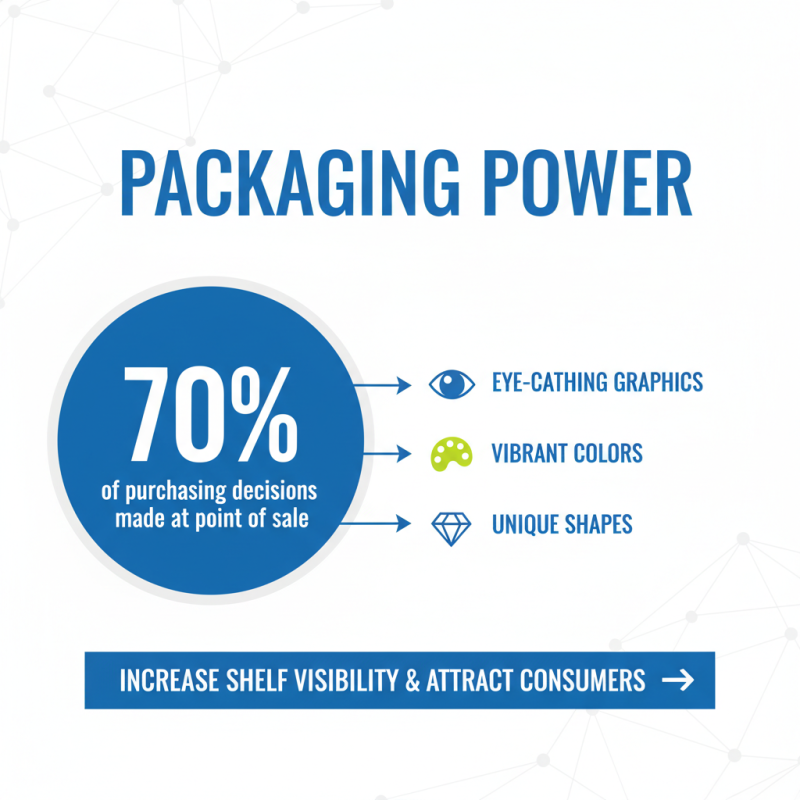
In today’s competitive market, packaging design plays a critical role in attracting consumers. Research shows that nearly 70% of purchasing decisions are made at the point of sale. This statistic highlights the importance of eye-catching graphics in packaging. Vibrant colors and unique shapes can significantly increase visibility on crowded shelves.
However, creating effective packaging is not just about aesthetics. It requires understanding your target audience. According to a study by the Packaging Association, 60% of consumers are willing to pay more for products with innovative packaging. Yet, many brands fail to capitalize on this opportunity. They concentrate too much on their logo and brand colors, neglecting the emotional appeal of graphic design.
Visual storytelling is essential. Packaging that tells a story or conveys a message engages consumers on a deeper level. Simplistic designs often overlook this need. Balancing clarity and creativity poses a challenge. Companies must also consider sustainability. The desire for eco-friendly packaging is growing. Failure to adapt could alienate a significant portion of potential customers. Effective packaging strategies must combine creativity with insight.
Establishing a Consistent Brand Identity Through Packaging Design
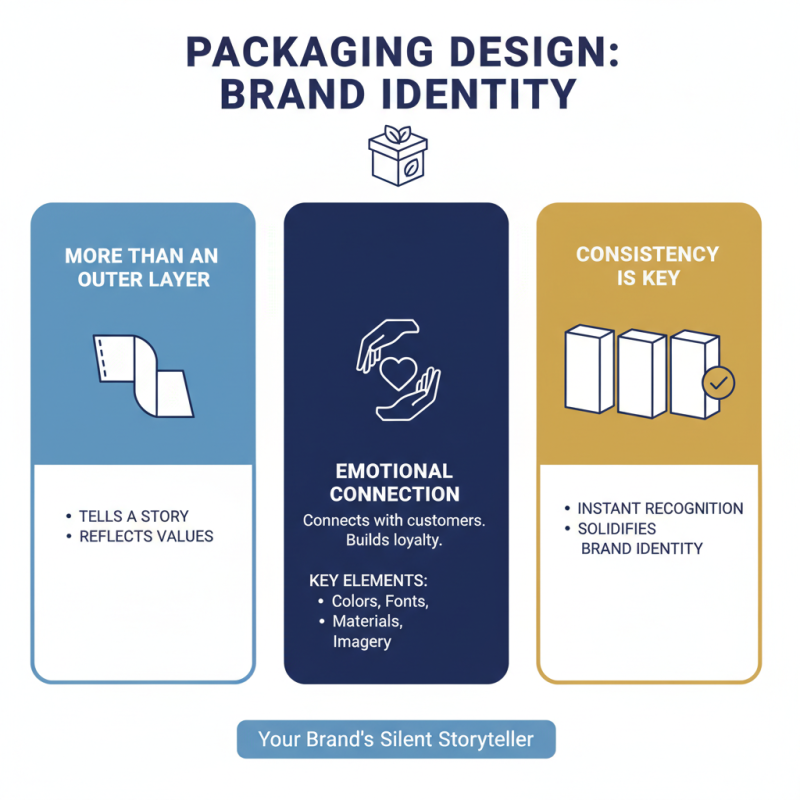
Packaging design plays a crucial role in establishing a brand's identity. It is more than just an outer layer. Great packaging tells a story. It reflects your values and connects with customers on an emotional level. Consistency in packaging across products helps solidify that identity. When customers see familiar colors, fonts, or designs, they recognize your brand instantly.
One tip is to choose colors wisely. Colors evoke emotions. They can attract or repel customers. For example, blue often conveys trust, while red can create excitement. Another important aspect is the texture of the packaging. A smooth, glossy feel might suggest luxury but could also feel cold. Consider how your packaging feels in the consumer's hands.
Always be willing to revise your approach. Sometimes, what seems like a great design may not resonate. Conduct surveys or focus groups. Their feedback can reveal hidden flaws or unexpected preferences. It is essential to remain open to change while working hard to maintain your brand's essence.