What is Kraft Packaging and Why is it Important?
Kraft Packaging is more than just a material; it plays a vital role in our daily lives. This eco-friendly option, made from recycled paper, has gained popularity across various industries. Businesses rely on Kraft Packaging for its durability and versatility. It stands out for its strength, making it ideal for shipping and storing products safely.
Many consumers appreciate its biodegradable nature. People are becoming more conscious of their environmental impact. Although Kraft Packaging is widely used, some still question its effectiveness. Are there better options out there? The importance of Kraft Packaging is often overlooked, yet it contributes significantly to sustainability efforts. Using this material can reduce waste and carbon footprints.
Despite its advantages, there are challenges. The production process may require energy, raising concerns about its overall ecological impact. Nevertheless, Kraft Packaging remains a preferred choice for many brands. As they strive to balance quality and sustainability, Kraft Packaging continues to be a focal point in conversations about responsible consumption.
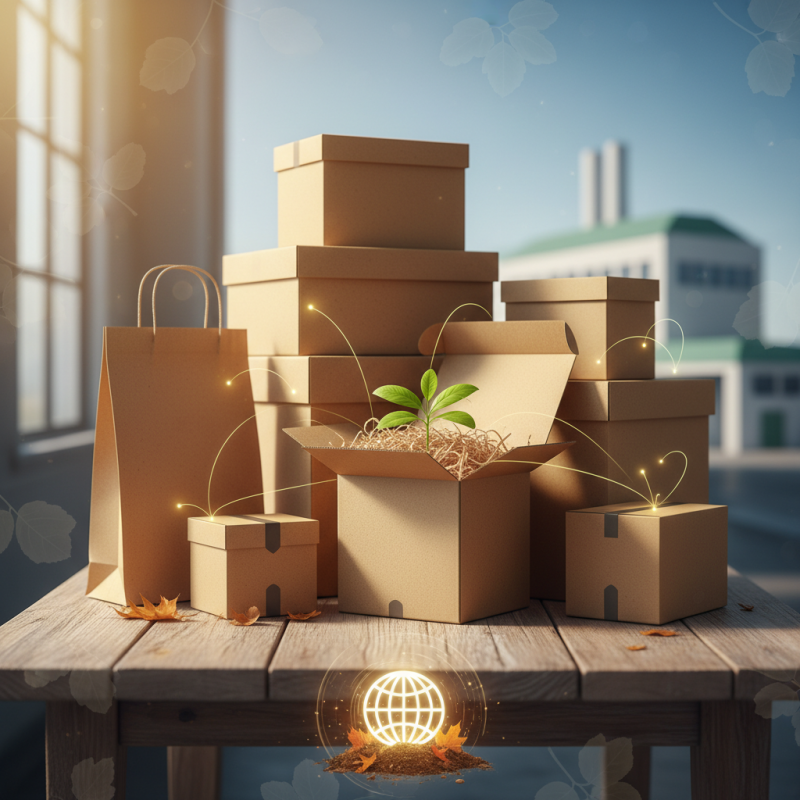
What is Kraft Packaging and Its Composition Materials
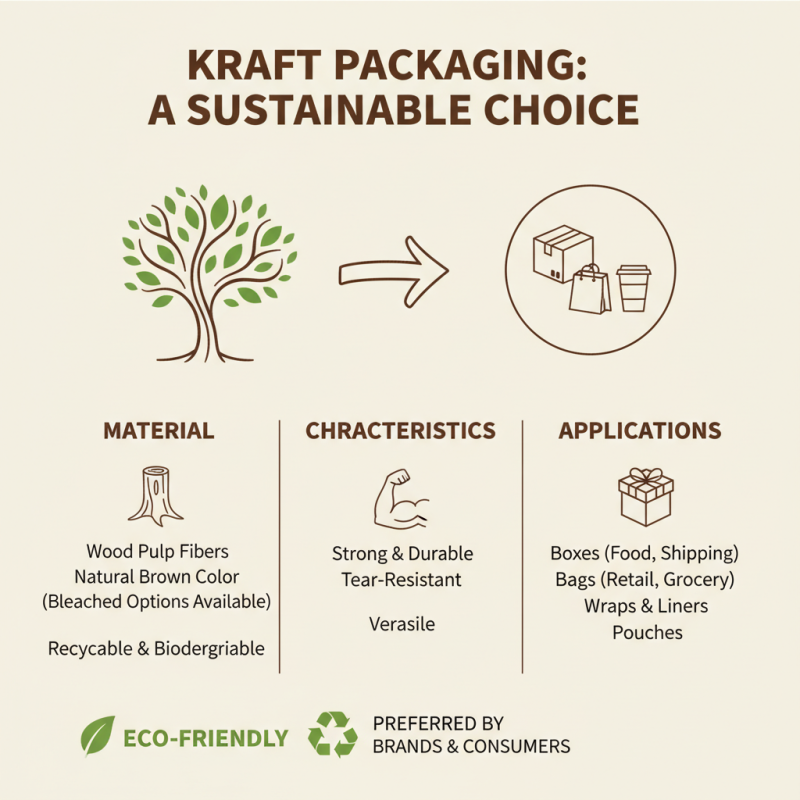
Kraft packaging is popular in the packaging industry. It is made from kraft paper, which is produced from wood pulp. This type of paper is known for its strength and durability. Most often, it is brown, thanks to the natural color of wood fibers. Kraft packaging can be used for boxes, bags, and other forms of packaging.
The main component of kraft packaging is virgin or recycled wood pulp. The pulping process retains the lignin, which gives kraft paper its resilience. It is usually unbleached, allowing for a more eco-friendly option. Other materials like adhesives and coatings may be added to enhance functionality. However, these additives can complicate recycling processes.
Tips: Look for certified kraft packaging to ensure sustainability. Always consider the end life of the packaging. Think about how often you see discarded packaging in nature. It’s crucial to find balanced solutions. Reducing waste should always be a priority. While kraft packaging offers durability, it’s important to review each product’s lifecycle.
Historical Development of Kraft Packaging in the Paper Industry
Kraft packaging has a rich history in the paper industry. It originated in the early 20th century when a German chemist discovered a process to create strong paper from wood pulp. This new method was innovative, offering robust packaging options for various goods. The durability of Kraft paper made it a preferred choice for shipping and storage. Over time, it evolved, leading to more sustainable and eco-friendly practices.
This evolution was not without challenges. Early production methods often resulted in a significant environmental impact. Factories released harmful chemicals into the air and waterways. Today, the industry reflects on these past mistakes. There's a notable shift toward responsible sourcing and reducing waste. Eco-conscious consumers push for greener options, influencing manufacturers to adapt.
**Tip:** Always check for recycled content when purchasing Kraft products. This can ensure you're making an eco-friendly choice.
As Kraft packaging continues to develop, it remains essential in various industries. It serves as a practical solution for modern logistics. Still, the paper industry must keep evolving. Balancing strength and sustainability is a critical task ahead.
**Tip:** Consider using Kraft packaging for personal projects or gifts. Its versatility can add a charming touch.
Key Benefits of Kraft Packaging for Environmental Sustainability
Kraft packaging is gaining attention for its role in environmental sustainability. This type of packaging is made from unbleached wood pulp. It is biodegradable and recyclable, reducing landfill waste. According to recent studies, more than 50% of consumers prefer eco-friendly packaging. They are willing to pay more for products in sustainable packaging. This increasing demand pushes companies to invest in kraft materials.
A report from the World Wildlife Fund shows that paper and cardboard recycling can save up to 60% of energy. Kraft packaging can also reduce carbon footprint significantly. The production process uses fewer chemicals than traditional packaging. This is a step forward but not without challenges. The extraction of wood must be managed responsibly to prevent deforestation.
While kraft packaging has several benefits, it comes with a caveat. Not all kraft materials are created equal. Some may have additives that compromise their eco-friendliness. Transparency in the supply chain is essential. Consumers need to know what they are choosing. This awareness can drive a shift towards truly sustainable options while holding brands accountable.
Market Trends: Growth and Demand for Kraft Packaging Solutions
Kraft packaging has gained significant traction in recent years. Market trends indicate a growing demand due to its sustainable nature. According to industry reports, the kraft paper market is projected to reach $33 billion by 2027, driven by eco-conscious consumers. This reflects a shift in preference towards biodegradable materials.
In 2022 alone, kraft packaging sales experienced a surge of 5.8%. More businesses are adopting these solutions to meet green initiatives. Many consumers link brands’ sustainable practices to their purchasing decisions. This highlights an important connection between packaging choices and customer loyalty. Despite this growth, some companies struggle with implementing effective recycling programs.
Over 70% of kraft packaging is recyclable, yet many consumers remain unaware. There is an urgent need for better education on disposal methods. Transitions to sustainable options aren't without challenges. Cost remains a barrier for smaller businesses. Only by addressing these obstacles can the industry reach its full potential.
What is Kraft Packaging and Why is it Important?
| Dimension |
Value |
| Market Size (2023) |
$30 Billion |
| CAGR (2021-2026) |
4.5% |
| Key Application Areas |
Food & Beverages, Consumer Goods, Electronics |
| Sustainability Rate |
70% recyclable |
| Major Material Type |
Kraft Paper |
| Consumer Preference for Eco-Friendly Packaging |
54% |
Applications of Kraft Packaging in Various Industries and Sectors
Kraft packaging is widely used across various industries. It is durable, recyclable, and often biodegradable. These properties make it ideal for packaging food, electronics, and consumer goods. According to a report from Smithers Pira, the global demand for kraft paper is expected to grow by 3.2% annually. This trend reflects its significance in sustainable practices.
In the food industry, kraft packaging plays a crucial role. It preserves product freshness while reducing waste. A recent survey indicated that about 70% of consumers prefer eco-friendly packaging. This preference pushes companies to adopt kraft packaging. It meets regulatory requirements and contributes to reduced environmental impact.
Moreover, the e-commerce sector is embracing kraft packaging. With increased online shopping, there is a greater need for protective and sustainable solutions. A study by Mordor Intelligence stated that the e-commerce sector could drive kraft packaging demand by over 5% in the next few years. However, challenges remain with production costs and sourcing sustainable materials. This requires ongoing reflection and innovation from manufacturers.
Kraft Packaging Applications in Various Industries