What is Kraft Packaging and Why Should You Choose It?
Kraft Packaging has emerged as a preferred choice for industries seeking sustainable and reliable packaging solutions. Research shows that the global green packaging market is expected to grow significantly, with a projected value reaching $450 billion by 2027. Kraft paper, known for its strength and versatility, plays a crucial role in this trend. It is made from recycled materials and supports eco-friendly practices.
In recent years, consumers have become increasingly aware of their environmental impact. A study from Nielsen indicates that 73% of millennials are willing to pay more for sustainable products. Kraft Packaging meets this demand while offering durability and customization options. Brands can easily design Kraft materials to suit their identity and product needs.
However, not all Kraft Packaging solutions are created equal. Quality can vary based on the manufacturing process and source materials. It is essential for businesses to choose reliable suppliers to ensure they are getting the best products. With a growing emphasis on sustainability, Kraft Packaging remains a relevant and valuable option for businesses looking to enhance their eco-friendly initiatives.
What is Kraft Packaging?
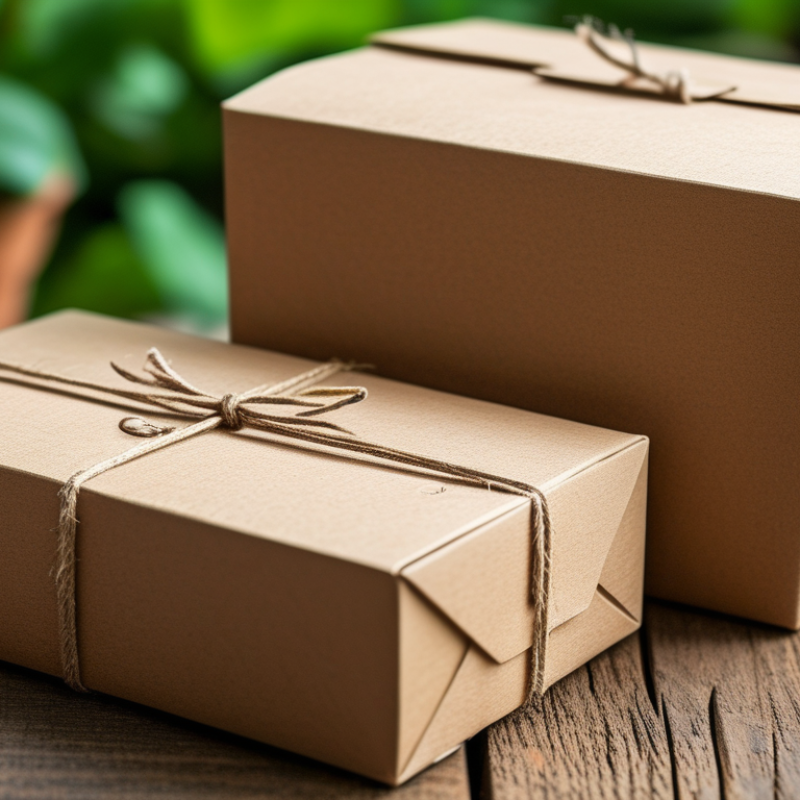
Kraft packaging is a versatile and eco-friendly material made from recycled paper pulp. It is known for its strength and durability. Many businesses choose kraft packaging for its natural and rustic appearance. This appeal can enhance the product's value. The brown color and texture can convey authenticity and sustainability.
Aside from its aesthetic benefits, kraft packaging is surprisingly flexible. It can be molded into various shapes and sizes, accommodating different products. From boxes to bags, its adaptability makes it a favorite in the packaging industry. However, this flexibility also means that it might not be suitable for all types of products, especially those requiring airtight seals.
While kraft packaging has many advantages, there are some drawbacks. For instance, it is not moisture-resistant unless treated. This can limit its use for certain items. Additionally, the manufacturing process may vary in quality. This inconsistency can be challenging for businesses aiming for reliability in their packaging solutions.
The History and Development of Kraft Packaging
Kraft packaging has a rich history rooted in sustainability and versatility. Introduced in the early 20th century, it began as a solution for strong and durable packaging. This paper-based packaging is made from wood pulp, primarily from sustainable sources, emphasizing eco-friendliness.
In recent years, the demand for Kraft packaging has surged. According to a report by Smithers Pira, the global market for sustainable packaging is expected to reach $500 billion by 2024. Kraft paper's biodegradability and recyclability make it an appealing choice for businesses aiming to reduce their carbon footprint. Many companies switched to Kraft packaging to align with eco-conscious consumer values. Yet, the perception of Kraft packaging as entirely eco-friendly needs scrutiny. The production process requires energy and resources that can impact the environment.
**Tip:** When choosing Kraft packaging, consider its sourcing. Ensure suppliers use sustainable practices.
Kraft packaging is versatile, used in various sectors, including food, retail, and cosmetics. However, it's important to recognize its limitations. For instance, while Kraft paper is strong, it may not provide the same barrier against moisture as plastic. Balancing durability and sustainability is crucial.
**Tip:** Test different types of Kraft materials for your specific needs. This can ensure optimal performance and customer satisfaction.
What is Kraft Packaging and Why Should You Choose It? - The History and Development of Kraft Packaging
| Attribute |
Details |
| Material |
Kraft paper, made from 100% recycled wood pulp |
| Strength |
High tensile strength and durability |
| Sustainability |
Eco-friendly, recyclable, and biodegradable |
| Applications |
Used for packaging, boxes, bags, and craft projects |
| History |
Developed in the mid-19th century, mass production began in the 20th century |
| Advantages |
Cost-effective, customizable, lightweight |
| Market Trend |
Growing demand for sustainable packaging solutions |
Benefits of Using Kraft Packaging for Businesses
Kraft packaging has become a popular choice for businesses seeking sustainable solutions. Made from recycled materials, it offers an eco-friendly alternative to plastic. This aligns with growing consumer preferences for sustainable products. The natural brown color of Kraft paper is visually appealing, giving products a rustic and organic feel.
One significant benefit is the durability of Kraft packaging. It is strong and can withstand various handling conditions. This means products arrive safely to customers. Additionally, Kraft packaging is versatile. It is suitable for a range of products, from food items to retail goods. Many businesses find this adaptability ideal for their diverse needs.
Cost is another factor to consider. Kraft materials are often more affordable compared to other packaging types. This cost-effectiveness allows businesses to allocate savings to other areas. However, companies should reflect on their branding when choosing Kraft packaging. It may not suit all brand images. The choice should align with the overall values and message of the business.
Sustainability and Environmental Impact of Kraft Packaging
Kraft packaging is gaining attention for its sustainability. Made from recycled materials, it offers an eco-friendly alternative to plastic. This type of packaging is fully recyclable and biodegradable. With a growing awareness of environmental issues, businesses are leaning towards sustainable solutions like Kraft.
Choosing Kraft packaging can significantly reduce your carbon footprint. The production process is less energy-intensive compared to traditional packaging materials. Many consumers prefer brands that prioritize sustainability. This can boost your brand image and attract eco-conscious customers.
Tips: Consider integrating Kraft packaging into your supply chain. Evaluate your current packaging and identify areas for improvement. Monitor your waste, and look for ways to enhance recycling efforts. Reflect on how your choices impact the environment. If done right, these changes can make a significant difference.
Applications and Industries That Utilize Kraft Packaging
Kraft packaging has become a favored choice across various industries due to its durability and eco-friendly properties. One prominent application is in the food sector. Kraft paper is commonly used for packaging snacks, baked goods, and even fresh produce. Its breathable nature helps maintain product freshness while minimizing waste.
Moving beyond food, the retail industry also heavily relies on Kraft packaging. It is often used for shopping bags, boxes, and wrapping paper. Retailers appreciate its natural look, which aligns well with eco-conscious consumers. Its ability to provide strength makes it suitable for heavy items, though some packages may not always meet the required durability under high stress.
Moreover, the cosmetics and personal care industries utilize Kraft for sustainable packaging solutions. Customers are increasingly seeking products in environmentally friendly materials. However, brands must ensure that the Kraft packaging meets their quality standards. Inconsistent protective qualities can lead to damaging effects. Balancing aesthetics with functionality remains a challenge. These sectors exemplify the versatility and potential of Kraft packaging while highlighting areas for improvement.