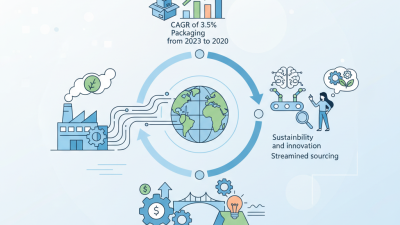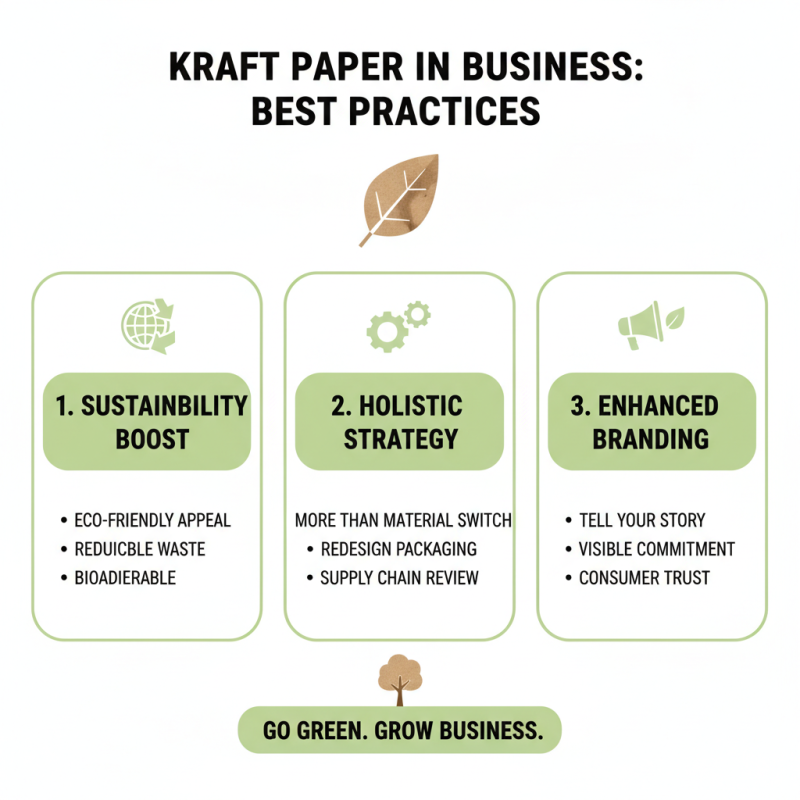
Kraft Paper Packaging plays a crucial role in today's eco-conscious market. As businesses seek sustainable solutions, the demand for eco-friendly packaging continues to rise. According to a report by Smithers Pira, the global market for sustainable packaging is projected to reach $500 billion by 2027. Kraft paper, known for its strength and biodegradability, is gaining popularity among brands committed to reducing their environmental impact.
Sustainable practices are no longer optional for businesses. A 2022 survey by Nielsen indicated that 73% of consumers are willing to pay more for eco-friendly products. This growing consumer awareness pushes companies to consider sustainable materials, like Kraft Paper Packaging. Many brands have adopted this trend to appeal to environmentally-conscious customers. Yet, the transition must be managed wisely.
Some companies still struggle to balance cost and sustainability. This challenge reveals a need for better research and planning. As the market evolves, brands should reflect on their use of materials. Investing in quality Kraft Paper Packaging is a step toward a more sustainable future. Balancing costs and environmental responsibility remains an ongoing conversation in the industry.
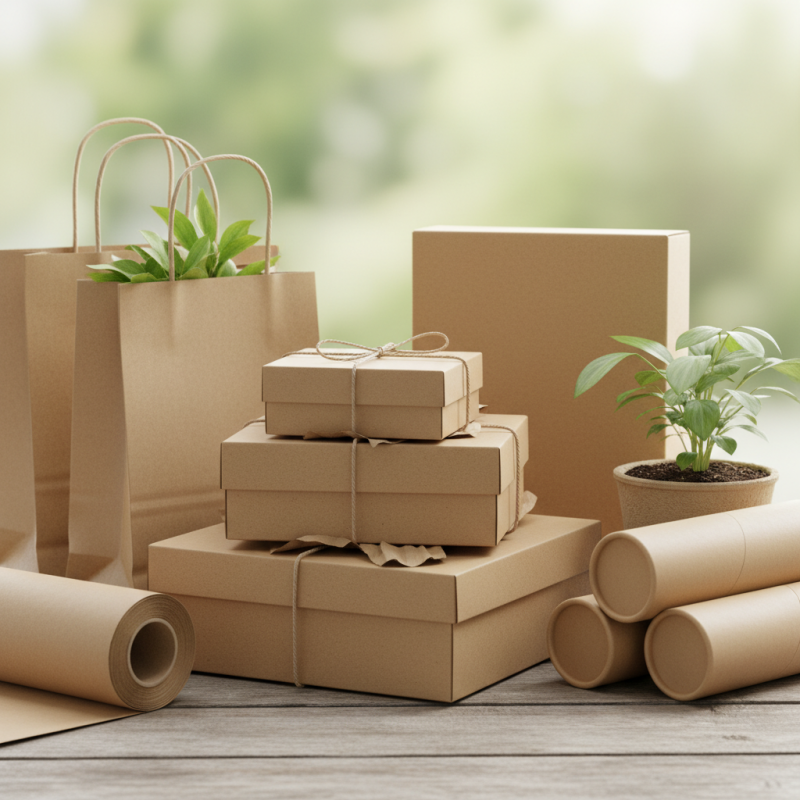
Kraft paper has gained prominence as a sustainable packaging choice. The demand for eco-friendly materials is increasing. According to a report by Smithers, the global market for sustainable packaging will reach $500 billion by 2027. Kraft paper's ability to biodegrade gives it an edge over plastics. More companies are shifting to it to meet consumer expectations.
Tips: Consider alternatives. Use recycled kraft paper whenever possible. It reduces waste and conserves resources. Additionally, tailor designs for recyclability. This ensures that packaging is processed efficiently at the end of its lifecycle.
The versatility of kraft paper is noteworthy. It can be used for bags, boxes, and wrapping. Its natural look appeals to consumers. However, challenges remain. Production processes need to focus on reducing energy consumption. Striking a balance between quality and sustainability can be difficult. Continuous innovation in this area is essential for long-term success.
| Trend | Description | Impact on Sustainability | Market Adoption Rate (%) |
|---|---|---|---|
| Recyclable Kraft Packaging | Packaging materials that can be recycled after use to minimize waste. | Reduces landfill contributions, promotes circular economy. | 65% |
| Biodegradable Kraft Paper | Kraft paper that decomposes naturally, reducing environmental impact. | Minimizes pollution and supports eco-friendly disposal practices. | 50% |
| Minimalist Design | Simple and elegant packaging designs that reduce material use. | Lowers resource consumption and emphasizes sustainability. | 55% |
| Eco-Friendly Inks | Using plant-based inks for printing on kraft packaging. | Reduces toxic waste and promotes safer recycling processes. | 45% |
| Customizable Kraft Solutions | Tailored packaging solutions that meet specific customer needs. | Increases customer satisfaction while reducing unnecessary waste. | 60% |
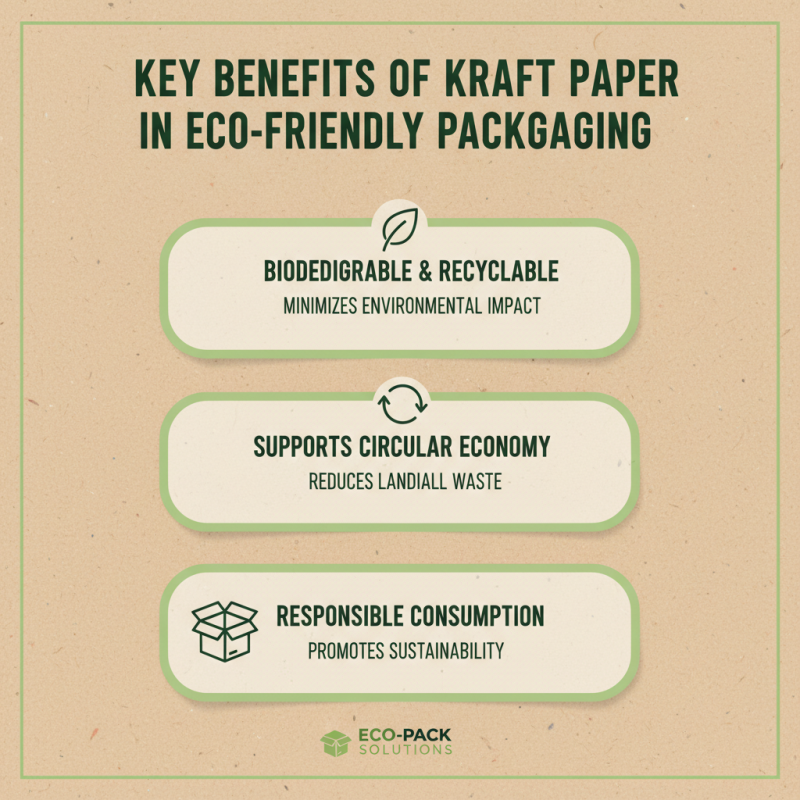
Kraft paper has gained prominence in eco-friendly packaging strategies due to its sustainability. This material is biodegradable and recyclable, minimizing environmental impact. By using Kraft paper, businesses contribute to a circular economy. It supports efforts to reduce landfill waste and promote responsible consumption.
Tips: Consider sourcing Kraft paper from reputable suppliers. This ensures quality and ethical production practices. Always check for certifications that guarantee eco-friendliness. Conduct a lifecycle analysis to understand the full impact of your packaging choices.
Adopting Kraft paper can enhance brand image. Consumers increasingly favor products with sustainable packaging. This preference aligns with a broader commitment to environmental responsibility. However, the transition to Kraft paper isn't always seamless. Some businesses struggle with durability issues or printing on the material. It's essential to weigh aesthetics against practicality in packaging designs.
Kraft paper packaging has surged in popularity due to its eco-friendliness. In fact, a recent report indicates that the global kraft paper market size is expected to reach USD 37.7 billion by 2027. This growth is driven by increasing demand for sustainable packaging solutions. Innovative designs are at the forefront of this trend, offering both functionality and aesthetics. Brands are experimenting with textures, colors, and custom prints to enhance their product presentation.
One notable trend is the use of biodegradable inks. This innovation reduces the environmental impact while maintaining vibrant packaging. It appeals to eco-conscious consumers, driving purchasing decisions. Additionally, the shift towards minimalistic designs is noteworthy. Brands are moving away from excessive plastic usage, opting for simpler, more elegant kraft paper solutions. Data shows that 70% of consumers prefer brands that emphasize sustainability in their packaging choices.
However, challenges remain. The durability of kraft paper compared to plastic is a concern for some manufacturers. This limitation often requires additional research and development. Moreover, sourcing high-quality, sustainably-made kraft paper can be inconsistent. Despite these challenges, the potential for growth in this sector is significant. As brands prioritize sustainability, the evolution of kraft paper packaging will continue to shape the industry.
Kraft paper is increasingly favored for its sustainability. Implementing it can enhance your brand's eco-friendly appeal. However, just switching materials isn't enough. You must consider your entire packaging strategy.
Start by assessing your current packaging practices. Identify areas where kraft paper can replace non-sustainable materials. Ensure the dimensions fit your products well. This minimizes waste and enhances protection. Remember, not all kraft paper is created equal. Look for options that are recyclable and compostable.
Consider consumer perception. How do your customers view sustainability? Surveys can provide insights. Test different designs and features. Are your customers willing to pay more for sustainable packaging? Their feedback is crucial, as trends shift rapidly.
Tips: Engage with your customers. Share stories about your kraft paper journey. Transparency builds trust. Also, measure the impact of these changes. Track customer satisfaction and sales. This data can guide future decisions. Embrace adaptability; feel free to refine your approach based on results.
Kraft paper packaging is gaining traction in various industries. Many brands are turning to this sustainable option. In fact, reports indicate that the global kraft paper market is projected to reach $25.2 billion by 2027. This reflects a growing trend towards eco-friendly materials.
Several brands have successfully harnessed kraft paper packaging. One notable case involved a startup that replaced plastic with kraft paper for their product line. The transition led to a 30% increase in customer engagement. It also resulted in positive feedback about sustainability efforts. These brands often highlight the biodegradable nature of kraft paper. They emphasize its reduced environmental impact, resonating with eco-conscious consumers.
However, the shift to kraft is not without challenges. Sourcing high-quality, recycled kraft paper can be difficult for some companies. Additionally, brands need to balance aesthetics with functionality. The texture and appearance of kraft paper may not appeal to all demographics. This requires thoughtful design choices to attract a broader audience. More brands need to assess the implications of using kraft and continuously improve their practices.