Inquiry
Form loading...

How to Source Sustainable Recycled Cardboard for Your Business?

As businesses increasingly prioritize sustainability, sourcing recycled cardboard has become essential. The global recycled cardboard market is projected to reach $90 billion by 2027, reflecting a growing awareness of eco-friendly practices. Companies that embrace recycled cardboard can significantly reduce their carbon footprints while appealing to environmentally conscious consumers.

Research shows that using recycled cardboard can cut energy consumption by up to 30%, compared to virgin materials. This statistic illustrates the tangible benefits of recycled products. However, sourcing high-quality recycled cardboard can be challenging. Not all suppliers meet the necessary standards or provide reliable materials. This inconsistency can lead to delays in production and dissatisfaction with the final product.

Additionally, businesses must navigate the complexities of the supply chain. Ensuring that suppliers maintain ethical practices and environmental certifications is crucial. Companies often overlook these details, which can affect their sustainability goals. By committing to due diligence, businesses can secure reliable partnerships and contribute to a more circular economy through the effective use of recycled cardboard.
How to Source Sustainable Recycled Cardboard for Your Business?

Identifying Reliable Suppliers for Recycled Cardboard Materials

Sourcing sustainable recycled cardboard involves finding trustworthy suppliers. The importance of sustainability in packaging is growing. According to a recent report by Smithers Pira, the global demand for sustainable packaging will reach $1 trillion by 2024. This highlights the need for businesses to prioritize ethical sourcing.

When assessing suppliers, consider their transparency. Are they open about their recycling processes? Suppliers that share their operations help build trust. Certifications can also play a vital role. A supplier with certifications like FSC or SFI signals a commitment to responsible forestry. Moreover, engaging with industry forums can provide insights into supplier reputation.

Evaluating product quality is essential. Testing samples before bulk orders can prevent potential issues. Look at the supplier's history in the market. A long history often indicates reliability. However, new entrants might offer innovative solutions. Balance established credibility with the fresh ideas of newcomers. It's a dynamic landscape, and staying informed will enhance your sourcing strategy.
Understanding the Environmental Benefits of Recycled Cardboard Usage

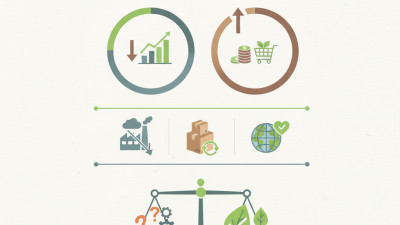
The environmental benefits of using recycled cardboard are substantial. According to the Environmental Protection Agency (EPA), recycling cardboard saves about 24% of the energy required to produce new cardboard. This reduction in energy consumption leads to lower greenhouse gas emissions. Recycled cardboard requires less water and fewer chemicals, minimizing the impact on natural resources.

Moreover, utilizing recycled cardboard can significantly reduce the volume of waste sent to landfills. In 2020, the EPA reported that cardboard constituted about 12% of all municipal solid waste. By opting for recycled materials, businesses can help alleviate this burden. However, the reliance on recycled cardboard is not without its challenges. The quality of recycled fibers can vary, potentially affecting product durability. Companies must balance sustainability efforts with performance needs, which can complicate sourcing decisions.

Furthermore, while many organizations tout the benefits of sustainability, the actual usage rates can be inconsistent. A study by the Paper and Packaging Board found that only about 35% of cardboard consumers actively seek out recycled options. This gap highlights a need for education on the environmental impacts of cardboard use and the importance of supporting sustainable practices within supply chains.

Evaluating the Quality Standards of Sustainable Cardboard Products

When sourcing sustainable recycled cardboard, evaluating quality standards is crucial. Many businesses overlook the quality factor, focusing solely on sustainability. However, the strength and durability of cardboard are essential for packaging and shipping.

First, assess the certification of recycled cardboard. Look for credible certifications like FSC or PEFC. These ensure the materials come from responsibly managed sources. Next, examine the cardboard's recyclability rate. A higher rate indicates better sustainability practices.

Tips: Inspect samples before making bulk purchases. Check for consistency in thickness and texture. Test the cardboard's performance under different conditions to ensure it meets your needs.

Additionally, review the environmental impact of the production process. Responsible manufacturers often provide transparency about their methods. Understand how the cardboard was processed and any chemicals involved. This knowledge is vital for maintaining a sustainable supply chain.

Consider connecting with suppliers who prioritize eco-friendly practices. Building relationships with these partners can enhance your credibility. Your customers will appreciate your commitment to sustainability.

Assessing Cost-Effectiveness of Sourcing Recycled Materials

Sourcing sustainable recycled cardboard requires a thorough cost assessment. Many businesses overlook the hidden costs in their supply chain. Shipping, storage, and processing fees can add up quickly. It's crucial to calculate the total expense before settling on a supplier. Seek quotes from multiple sources to ensure competitive pricing.

Consider the long-term savings of using recycled materials. While initial costs may be higher, sourcing recycled cardboard can reduce waste output. It aligns with eco-friendly practices, which can improve your brand image. Companies increasingly prioritize sustainability. Gauge customer responses to eco-friendly initiatives. This feedback can guide future sourcing decisions.

Sustainability is not just a trend but a necessity. However, the sourcing process isn't without challenges. It can take time to find reliable suppliers. Skepticism about the quality of recycled materials is common. Maintain open communication with suppliers. This can help build trust and ensure you receive quality products consistently. Reflect on your sourcing strategy regularly. Adaptability is key in this evolving market.

How to Source Sustainable Recycled Cardboard for Your Business? - Assessing Cost-Effectiveness of Sourcing Recycled Materials

Sourcing Method Average Cost per Ton ($) Recycled Material Percentage (%) Supplier Reliability Rating (1-5) Lead Time (days)
Local Recycling Center 450 90 4 10
Online Eco-Friendly Suppliers 500 85 5 14
Wholesale Recycled Material Distributors 550 80 3 21
Corporate Sustainability Programs 470 95 4 7

Implementing a Sustainable Procurement Strategy for Your Business

Sourcing sustainable recycled cardboard begins with a robust procurement strategy. Businesses should focus on suppliers who prioritize eco-friendly practices. This includes using energy-efficient processes in their production. Researching potential partners is crucial. Assess their commitment to sustainability. It can help in building a reliable network.

Engaging with local suppliers can also boost sustainability. Transportation emissions decrease when materials are sourced nearby. Additionally, smaller suppliers may offer unique recycled products. However, it might require more effort to vet these options regularly. Always request transparency in sourcing practices. Understanding the supply chain fosters trust.

Don't overlook the importance of continuous improvement. Assess your procurement process periodically. Identify areas for better sustainability practices. Gather feedback from stakeholders. They can offer insights on the effectiveness of current strategies. This approach not only enhances credibility but also aligns with evolving environmental standards.