Inquiry
Form loading...

Top Cardboard Shipping Box Manufacturers in China

Choosing a cardboard box supplier can look simple. It is not. A box that arrives crushed, fits poorly, or uses more material than needed can create avoidable costs. For Chinese manufacturers, quality depends on more than a low quotation. Buyers should examine board strength, print consistency, production capacity, and communication before placing an order.

Cardboard Shipping Boxes serve many needs, from compact parcels for online orders to larger cartons for household goods. The right option depends on product weight, dimensions, stacking conditions, and the distance it will travel. Ask suppliers for clear specifications, sample cartons, and details about quality checks. A sample can reveal useful things: how cleanly the flaps meet, whether the corners hold their shape, and how the surface handles labels. Still, one sample cannot guarantee every production run will be identical.

This guide introduces notable cardboard shipping box manufacturers in China and explains what buyers may want to compare. Company profiles and product claims should be checked directly, since capabilities can change over time. Look for evidence of relevant experience, dependable service, and consistent manufacturing standards. Price matters, but it rarely tells the whole story. A cheaper carton may require extra filler or offer less protection, though the opposite can also be true. The best choice is the one that fits the product and shipping process, not merely the catalogue description. A little uncertainty is normal. Careful questions help reduce it.
Top Cardboard Shipping Box Manufacturers in China

China’s Cardboard Shipping Box Manufacturing Industry

Top Cardboard Shipping Box Manufacturers in China

China’s cardboard shipping box manufacturing industry serves exporters, retailers, and industrial suppliers worldwide. Manufacturers commonly produce single-wall, double-wall, and heavy-duty corrugated cartons. Kraft liner, recycled paper, and customized flute profiles support different shipping conditions.

Moisture changes everything. Storage warehouses often require stronger paper combinations and careful pallet protection.

Reliable factories control quality at several production stages. They test edge crush strength, bursting resistance, compression performance, and moisture levels.

Many facilities use automated corrugators, digital cutting systems, and flexographic printing equipment. Clear sampling procedures help buyers compare box dimensions and load capacity. Factory audits should also review worker training, traceability records, and waste management practices.

Customization is a major advantage within China’s packaging sector. Manufacturers can adjust board thickness, internal dividers, handles, and stacking strength. A small change in flute direction may improve pallet stability.

However, low pricing can hide weak paper, inconsistent sizing, or rushed inspections. Small defects matter. Experienced buyers request production samples before approving large orders.

They also confirm tolerances, packing methods, and shipment schedules in writing. No factory is flawless. Even advanced plants may face seasonal material changes or communication gaps. Careful documentation keeps those problems visible and manageable.

Common Box Types, Materials, and Customization Options

Top Cardboard Shipping Box Manufacturers in China

Common box types serve different shipping realities. Regular slotted cartons suit most warehouse orders and fold quickly. Full-overlap boxes add strength around heavy or fragile products. Die-cut mailers create a cleaner unboxing experience, while five-panel wrap boxes protect long items. According to Smithers’ 2024 corrugated packaging assessment, the global market exceeded US$200 billion in 2023. That scale reflects steady demand for practical, fiber-based transport packaging.

Material choice matters more than many buyers expect. Standard kraft liner works for dry, lightweight goods. Test liner can reduce cost, but performance may vary between suppliers. Corrugated board uses single-wall, double-wall, or triple-wall structures. Double-wall board offers better stacking strength for export shipments. The Fibre Box Association reports that box performance depends on board quality, flute selection, and converting accuracy. Customization may include printed logos, moisture-resistant coatings, partitions, handles, tear strips, and reinforced corners. However, extra features can increase waste and assembly time. A visually impressive box may still fail in a humid container.

Tips: Request an edge crush test value, burst strength data, and a physical sample. Test the packed box on a pallet, not only on a table. Confirm flute direction and internal dimensions before mass production. Ask for recycled-content percentages and packaging weight. Small measurement errors can create expensive void space. I have found that simple prototypes often reveal problems that specifications miss. Suppliers should provide inspection records, material certificates, and clear tolerances. No design is perfect on the first trial.

Top Cardboard Shipping Box Manufacturers in China - Common Box Types, Materials, and Customization Options

This comparison summarizes commonly available corrugated shipping box formats and specification options. Suitability depends on product weight, dimensions, shipping conditions, and applicable testing requirements.

Box Type Typical Construction Common Material Options Typical Applications Common Customization Options Practical Selection Notes
Regular Slotted Container (RSC) Four flaps on the top and bottom meet at the center when closed; commonly identified as FEFCO 0201. Single-wall or double-wall corrugated board; kraft or recycled-content linerboard; B-, C-, or combined flute profiles. General-purpose shipping, storage, and e-commerce orders. Custom length, width, and depth; flexographic printing; shipping marks; perforations; tape or staple closure. A widely used format that can be made efficiently in many sizes. Select board strength based on packed weight, stacking, and transit conditions.
Die-Cut Mailer Box Folded, one-piece design with integrated flaps and locking tabs; many postal-style mailers use a FEFCO 0427-style construction. Usually single-wall corrugated board, often E- or B-flute; kraft or white-top liner options. Apparel, small electronics, subscription shipments, and retail-ready parcel orders. Printed exterior or interior; tear strip; tuck-lock closure; custom inserts; shaped windows or ventilation holes where appropriate. Can offer a neat unboxing presentation and may not require separate packing tape. Confirm that the design protects the product during parcel handling.
Telescopic Box Separate base and cover, with one section fitting over the other; telescopic-style designs are represented in the FEFCO 0300 series. Single-wall, double-wall, or heavier corrugated board, depending on size and load. Large or irregular products, flat goods, and items requiring adjustable cover depth. Variable cover depth; reinforced corners; printed panels; fitted pads or dividers. The overlapping sections provide adjustable coverage. Specify the internal dimensions and required overlap to ensure a suitable fit.
One-Piece Folder A single corrugated blank folds around a product to create a flat or wraparound pack; folder-style designs appear in the FEFCO 0400 series. Typically single-wall board; flute and liner selection depends on product size and protection needs. Books, framed items, panels, documents, and other relatively flat products. Adjustable fold lines; corner protection; self-locking tabs; peel-and-seal strips; printed instructions or branding. Useful for flat products because the blank can wrap closely around the item. Allow enough clearance for protective wrapping where needed.
Double-Wall Shipping Box Two corrugated mediums and three liner layers, commonly described as five-ply board. Combinations of B-, C-, or other flute profiles; kraft, recycled-content, or mixed linerboard grades. Heavier products, export shipments, and loads requiring additional stacking or puncture resistance. Custom dimensions; reinforced partitions; heavy-duty printing; corner pads; hand holes where safe and suitable. Often selected for greater rigidity than single-wall board, but actual performance depends on board grade, box design, and test results.
Partitioned or Divided Box Outer corrugated carton fitted with slotted dividers or partitions that separate individual items. Corrugated outer box with corrugated, paperboard, or other compatible divider material. Glassware, bottles, components, and products that may damage one another in transit. Cell count and divider height; custom slotting; pads; inserts; fitments for product-specific separation. Divider dimensions should match the packed products and packing process. Test the complete pack, not just the outer carton.
Common Board and Finish Choices Corrugated board combines linerboard facings with a fluted paper medium; single-wall, double-wall, and triple-wall constructions are available. Kraft liner; recycled-content linerboard; white-top liner; E-, B-, C-, or combined-flute board. Flute thickness varies by grade and supplier. Material selection for parcel delivery, storage, retail presentation, and heavier transport packaging. Flexographic or digital printing; water-based coatings; varnish; laminated finishes; colored or white outer liners. Request board grade and validated performance information rather than relying on flute name alone. Coatings and laminations can affect recyclability and should be checked against local requirements.

Note: Box dimensions, board grades, flute profiles, print methods, and test performance vary by specification and supplier. Confirm requirements with a packaging engineer and request samples or relevant test results before placing a production order.

How to Evaluate Chinese Box Manufacturers

Choosing among top cardboard shipping box manufacturers in China requires more than comparing unit prices. Ask how they verify board strength, dimensions, and print consistency. A reliable supplier should explain its testing process and provide samples made with the same materials and production method proposed for your order. Check whether box dimensions are measured internally or externally; a small difference can affect product fit and freight planning. Request written specifications, including board grade, flute type, and acceptable tolerance. Clear answers matter.

Tips: Test a sample with your actual product. Stack several packed boxes and inspect the corners after handling. Ask for recent quality records, production lead times, and details about how defects are managed. Compare quotations on the same specifications, not just price. Cheap can be costly.

Communication is part of the evaluation. Send a simple drawing with dimensions, closure style, and artwork requirements, then see whether the manufacturer identifies missing details before production. Ask who approves the final sample and how changes are documented. If possible, arrange a factory audit or use an independent inspection service. Photos help, but they cannot reveal every issue. Some processes may still feel unclear; note those gaps and get answers in writing before placing a large order.

How to Evaluate Chinese Cardboard Shipping Box Manufacturers

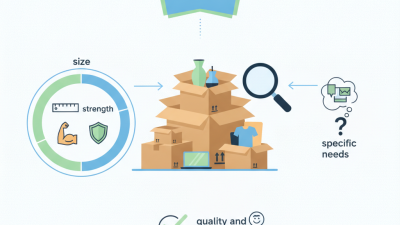
The chart presents a practical purchasing evaluation framework for cardboard shipping box manufacturers. Product quality and material performance receive the highest weighting because box strength, moisture resistance, and dimensional consistency directly affect product protection. Certification, production capacity, quality control, sustainability, and total cost should also be reviewed before placing an order. These percentages are evaluation weights, not market-share or company-performance data.

Leading Manufacturer Profiles and Production Capabilities

Top Cardboard Shipping Box Manufacturers in China

China’s leading cardboard box manufacturers differ more by production depth than by catalogue size. Integrated facilities produce kraft paper, corrugated board, and finished cartons under one roof. Converters usually purchase board, then focus on printing, die-cutting, and folder-gluing. Smithers’ 2023 market assessment valued global corrugated packaging at over US$200 billion, with continued growth linked to e-commerce and industrial shipping. That demand rewards stable quality, not only low prices.

Strong manufacturers typically offer three- and five-layer boxes, B, C, and E flutes, water-resistant coatings, and custom inserts. Many use automated corrugators, inline flexographic printers, and compression-testing equipment. Production profiles should disclose board basis weight, flute height, monthly capacity, tooling limits, and rejected-unit rates. Testing against ISTA procedures can reveal whether a box survives vibration, stacking, and drops. A glossy showroom proves little. I would request recent test records and a live production sample.

Tips: Ask for a trial order before signing large volumes. Check moisture readings from several batches. Confirm whether recycled content changes compression strength. The right supplier should explain these trade-offs clearly. Some factories advertise impressive output, but capacity may reflect every production line, not your allocated schedule. That distinction matters.

Sourcing, Quality Control, and Export Considerations

Sourcing reliable cardboard shipping boxes in China requires more than comparing factory quotations. A capable supplier should explain paper grades, flute profiles, edge crush strength, and moisture resistance clearly. Ask for production samples using the intended board combination, not a substitute sample. Small details matter. Check sheet thickness, fold accuracy, print alignment, glue coverage, and odor after curing. A factory that welcomes questions often has stronger process discipline. Still, confidence should come from records, not friendly conversations.

Quality control should begin before mass production. Approve a signed specification covering dimensions, board structure, compression targets, artwork, bundle counts, and acceptable defects. During production, use pre-shipment inspections and random carton testing. Drop tests can reveal crushed corners that photographs miss. Humidity deserves attention, especially during wet seasons or ocean transport. I have seen boxes pass a factory check yet soften after several days in damp storage. That mistake is expensive, and it is preventable. However, testing every condition is unrealistic; buyers should prioritize risks related to their cargo.

Export planning includes more than loading a container. Confirm carton counts, pallet design, container utilization, shipping marks, packing lists, commercial invoices, and required declarations. Verify destination-country packaging rules before production. Use moisture barriers only when justified, because extra materials increase cost and disposal pressure. Before shipment approval, compare final packed dimensions with booking data. A small measurement error can create large freight charges. Keep inspection photos, test reports, and corrective-action records. They make disputes clearer. No supplier is flawless, including an audited one; periodic reviews remain necessary.