2026 Top Corrugated Roll Manufacturers for Global Buyers
Choosing the right Corrugated Roll manufacturer can affect line speed, board quality, maintenance costs, and delivery reliability. This 2026 guide is designed for global buyers comparing experienced suppliers across major manufacturing markets. It focuses on practical evidence, not attractive claims alone.
The evaluation considers flute profiles, roll diameter, steel grade, surface hardness, balancing accuracy, and expected service life. It also reviews machining capacity, heat-treatment controls, inspection records, export experience, and after-sales support. A reliable manufacturer should explain how each roll performs under real production pressure. For example, buyers may need stable performance at high operating speeds, consistent nip pressure, and minimal vibration during long shifts. Small details matter. Poor balancing can create visible board defects and unnecessary bearing wear.
Supplier reputation is important, but it should not replace technical verification. Buyers should request drawings, tolerance data, material certificates, sample reports, and references from comparable plants. Factory audits can reveal whether equipment is modern, maintained, and operated by trained technicians. Not every published specification tells the full story. Some claims may require closer review. Delivery promises can also change when customization, port delays, or replacement parts become involved.
This article presents a practical shortlist of Corrugated Roll manufacturers for international purchasing decisions in 2026. It does not treat one supplier as ideal for every factory. Production volume, board grades, machine compatibility, budget, and local service access must guide the final choice. The strongest decision is informed, documented, and carefully questioned.
What Corrugated Rolls Are and Why They Matter in Packaging
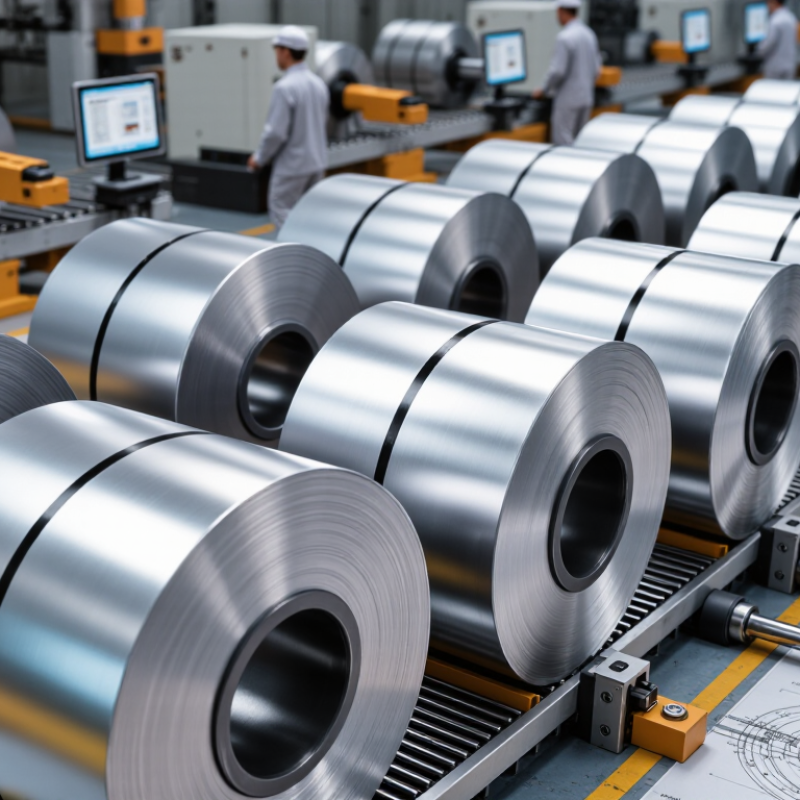
Corrugated rolls are continuous lengths of fluted paperboard wound around a core. They protect glassware, furniture edges, machinery parts, and irregular products during storage and transport. The flutes create small air channels between paper liners. This structure absorbs pressure without adding heavy material.
Their value is practical. A warehouse worker can cut a roll to fit a long table leg or wrap a sharp corner within seconds. Corrugated rolls also reduce unused space compared with many pre-sized cartons. Smithers reported that the global corrugated packaging market was worth more than US$200 billion in 2024, showing the scale of demand for fiber-based protection. However, market size alone does not prove superior performance. Moisture, flute profile, paper strength, and storage humidity still affect results.
Recycling strengthens the material’s appeal. The European Federation of Corrugated Board Manufacturers reported an 82% recycling rate for paper and board packaging in Europe in 2022. That figure supports circular packaging systems, but collection quality remains uneven across regions. Buyers should request compression tests, basis-weight details, and recycled-fiber percentages before ordering large roll quantities. A roll that looks thick may still crush under stacked loads. Small tests matter. Product teams should also measure cutting waste, because poor roll width selection can quietly increase material use.
Key Criteria for Evaluating Corrugated Roll Manufacturers
2026 Top Corrugated Roll Manufacturers for Global Buyers
Key Criteria for Evaluating Corrugated Roll Manufacturers
A reliable corrugated roll manufacturer should prove performance, not only quote a low price. Smithers’ 2024 market analysis places global corrugated packaging demand above $200 billion annually, increasing pressure on consistency and supply. Ask for recent test records covering basis weight, moisture, edge crush, and bursting strength. These figures should match the delivered roll, not a showroom sample. Small differences can cause feeder jams, warped sheets, or weak box corners.
Technical testing deserves close attention. ISO 3037 supports edge crush testing, while ISO 12048 assesses compression resistance for packaged products. Request the test method, equipment calibration date, and sampling frequency. I would also inspect roll hardness by hand and check the core for crushing. It sounds basic. It often reveals careless handling. A supplier with clear traceability can identify the paper mill, production shift, and dispatch batch within hours.
Delivery capability matters as much as laboratory data. FEFCO’s 2023 European statistics reported roughly 50 billion square metres of corrugated production, showing the scale of regional supply networks. Buyers should compare lead times during peak seasons, minimum order quantities, export packaging, and moisture protection. A manufacturer may promise seven-day delivery, yet hold no safety stock near the port. That gap deserves scrutiny. I have found that transparent corrective-action reports are more useful than polished certificates. No supplier performs perfectly; the stronger one documents failures and changes the process.
2026 Leading Corrugated Roll Manufacturers for Global Buyers
Leading corrugated roll manufacturers are judged by consistency, not impressive catalogs. Smithers reported that the global corrugated packaging market reached approximately US$205.7 billion in 2023. It is projected to exceed US$224 billion by 2028. This growth increases pressure on suppliers to deliver stable roll quality across borders.
Experienced buyers should examine flute structure, paper grammage, moisture resistance, and edge compression results. A reliable manufacturer records these values for every production batch. Roll width tolerance also matters when converting lines run continuously. Small deviations can create web breaks, wasted material, and delayed shipments. Details matter. Testing should follow recognized methods, including ISO-based quality procedures where applicable.
Sustainable sourcing deserves equal attention. The Confederation of European Paper Industries reported paper recycling rates above 80% in Europe, showing the industry’s strong recovery performance. However, recycled fibers can vary in strength and cleanliness. Manufacturers must adjust fiber blends without hiding performance limitations. I would not select a supplier using environmental claims alone. Buyers should request test records, fiber-origin evidence, factory audits, and realistic lead-time data. A weakness remains: published market reports often combine several corrugated products, so comparisons may not be perfectly precise. Independent sampling before a long-term contract is therefore practical. Reliable communication is often more valuable than the lowest quoted price.
2026 Top Corrugated Roll Manufacturers for Global Buyers
Buyer-oriented benchmark of commonly used corrugated flute profiles. The values show typical flute-height ranges used in corrugated-board production and are not company-specific figures.
How to read the chart: Larger flute heights generally provide greater cushioning and stacking performance, while smaller flutes support smoother printing and lighter packaging applications. Exact specifications vary by paper grade, tooling, and regional production standards.
Production Standards, Quality Control, and Customization Options
Global buyers need more than attractive samples when selecting corrugated roll manufacturers. Production standards should cover paper grade, basis weight, flute profile, roll width, core diameter, and winding tension. Experienced factories record these details in controlled production sheets. Small deviations can create feeding problems on high-speed packaging lines.
Quality control should begin with incoming paper inspection. Technicians can check moisture, burst strength, edge crush resistance, and surface bonding. Moisture often needs close attention. A roll may look perfect, yet warp after transport or storage. In-process checks should measure thickness, splice placement, roll hardness, and edge condition. Batch codes and inspection records also support traceability when a complaint appears.
Customization is practical when specifications are clearly defined. Buyers may request different flute structures, paper combinations, widths, lengths, core sizes, or printed handling marks. Production teams should confirm drawings and trial samples before full-scale manufacturing. A reliable supplier explains tolerances instead of promising impossible precision. No process is flawless. Even strong systems need periodic review, especially when recycled fibers, seasonal humidity, or new equipment changes the results. Factory visits, sample testing, and transparent corrective-action reports can reveal more than a sales presentation.
How to Select the Right Manufacturer for Your Market Needs
Selecting a corrugated roll manufacturer requires more than comparing prices.
Your market determines the right paper grade, flute profile, roll width, moisture resistance, and compression strength. A supplier experienced with humid climates may suit Southeast Asia, while cold storage markets require different performance testing.
Ask for recent test reports, production samples, and clear tolerances. Check whether the manufacturer can maintain consistent roll diameter, winding tension, and paper quality across repeated orders.
Export experience also matters. Reliable documentation, traceable materials, transparent lead times, and responsive communication reduce avoidable delays. Factory audits or independent inspections can reveal details that polished sales materials often miss.
Tips:
Start with a small trial order. Test rolls under your actual converting conditions. Compare edge crush, bursting strength, moisture behavior, and waste rates. Review packaging and loading methods carefully. The cheapest quotation may create higher costs through stoppages or rejected output. Also, confirm capacity before signing a long-term agreement. A large stated capacity does not always mean available capacity during peak seasons. Perfect selection is unrealistic. Recheck assumptions after the first shipment.