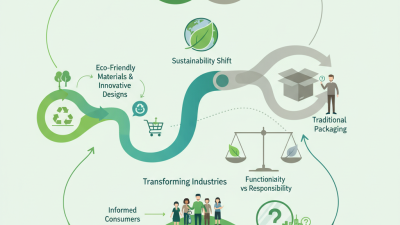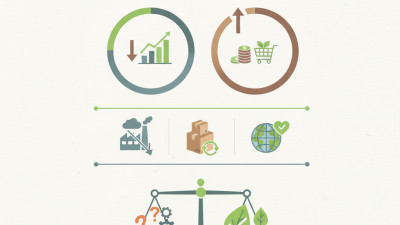
Global buyers are rethinking packaging as environmental expectations become more practical and measurable. Green Packaging now involves material selection, factory performance, transport efficiency, product protection, and end-of-life recovery. A paper mailer may look responsible, yet its coating, adhesive, or mixed fibres can complicate recycling. Small details matter.
William McDonough, a leading circular-design expert and co-author of Cradle to Cradle, states, “Waste equals food.” This idea challenges suppliers to design packaging for continued use, recovery, or safe biological return. It also gives buyers a useful question: what happens after the package is opened?
This guide examines top Green Packaging suppliers serving international markets. It considers recycled content, certified paper and fibre sources, compostable formats, reusable systems, and lightweight protective materials. It also reviews production capacity, testing practices, traceability, and communication quality. These factors help buyers compare attractive claims with verifiable performance.
Reliable sourcing requires more than a sustainability brochure. Buyers should request technical data, material declarations, laboratory results, and recognised certifications where applicable. They should also check whether a supplier can maintain quality across different production batches. A package that fails during humid shipping creates waste, even when its material sounds environmentally preferable.
No supplier is perfect. Some solutions remain expensive, regionally limited, or difficult to recycle. Compostable packaging can also require specific collection conditions. That weakness deserves attention, not marketing language. The strongest suppliers explain these limits clearly and help customers choose materials suited to real distribution routes, product risks, and local recovery systems.

For global buyers, green packaging means lower environmental impact across its entire life cycle. It is not simply brown paper or a recyclable symbol. The UNEP 2023 report states that packaging creates about 36% of global plastic production. That figure makes material selection a serious purchasing decision. The OECD Global Plastics Outlook also reported that only 9% of plastic waste was recycled in 2019. Green packaging must reduce waste before disposal, not depend on perfect recycling systems.
A practical evaluation starts with product protection. A thin carton that collapses during sea freight is not sustainable. Buyers should request recycled content data, material weight, verified carbon information, and clear end-of-life instructions. For food or moisture-sensitive goods, barrier performance matters. Sometimes, a slightly heavier package prevents damaged products and repeated shipments. That trade-off needs evidence.
Supplier credibility depends on traceable information. Ask for test reports, chain-of-custody records, and independent certification where relevant. Life-cycle assessment should include raw materials, manufacturing energy, transport, and disposal. Data gaps remain common. This is uncomfortable, but honest suppliers should explain them. A supplier may claim “compostable,” while local facilities cannot process the material. Global buyers need regional disposal research, not attractive wording. Green packaging is measurable performance, with room for correction.
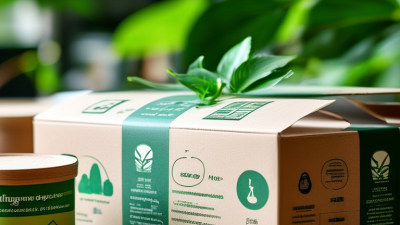
Top Green Packaging Suppliers for Global Buyers
Green packaging begins with material selection, not a decorative label. Paperboard, molded fiber, recycled plastics, bioplastics, and lightweight films serve different supply-chain needs. The OECD Global Plastics Outlook reports that packaging created about 40% of global plastic waste in 2019. That figure makes recycled content more than a marketing feature. It becomes a procurement priority.
Recycled paperboard works well for cartons, sleeves, and dry-food packaging. The European Paper Recycling Council reported a paper recycling rate of 79.3% in Europe in 2023. However, paper fibers weaken after repeated recycling. Moisture changes everything. Water-based barriers, mineral coatings, and dispersion layers can improve resistance without relying entirely on conventional plastic laminates. Yet these coatings may complicate recycling if suppliers cannot separate them during processing.
Molded fiber uses recovered paper or agricultural residues for trays, inserts, and protective structures. It can replace expanded foam in some applications, but compression strength and humidity remain practical concerns. Bio-based plastics, including materials made from starches or plant sugars, can reduce fossil feedstock use. They are not automatically compostable. Buyers should request third-party test results, fiber or resin percentages, food-contact documentation, and realistic end-of-life instructions. Life-cycle assessments also need careful reading. A lighter package may lower transport emissions, while extra coatings may reduce recyclability. I still question many “green” claims because regional waste systems differ sharply. A package designed for one market may fail in another. Reliable suppliers should disclose material origins, conversion temperatures, barrier chemistry, and recovery assumptions. Details matter.
Evaluating green packaging suppliers worldwide requires more than checking a recycled-content percentage. The OECD’s Global Plastics Outlook (2022) reports that packaging creates about 40% of global plastic waste. Buyers should therefore request material composition, recycled-content evidence, and product-specific lifecycle data. Ask whether figures cover production, transport, and disposal. Scope matters.
A reliable supplier can provide recent factory audits, traceability records, and test reports for barrier strength, moisture resistance, and food-contact safety where relevant. Verify environmental claims against ISO 14021 or ISO 14067 principles, rather than accepting vague words such as “eco” or “natural.” The Ellen MacArthur Foundation also stresses designing packaging for a circular economy, including practical collection and recycling systems. A recyclable package is not automatically recycled.
Compare suppliers using the same scorecard. Measure carbon emissions per package, water use, minimum order quantities, defect rates, and delivery performance. The World Bank’s What a Waste 2.0 report highlights major differences in waste-management capacity between regions, so local end-of-life conditions deserve attention. A material that performs well in one market may fail in another. That is often overlooked. Certification can expire, supply chains can change, and some data may be incomplete. Buyers should request dated evidence, independent verification, and corrective-action records before signing long-term contracts. Personally, I would treat missing data as a risk, not a minor paperwork issue.
| Packaging Solution | Typical Material Feedstock | Relevant Environmental Standard or Certification | Evidence Global Buyers Should Request | Best-Fit Applications | Key Evaluation Risk | Supplier Capability Indicators |
|---|---|---|---|---|---|---|
| Recycled Corrugated Packaging | Recovered paper fibers, virgin kraft fiber, or a controlled blend | FSC or PEFC chain-of-custody certification; ISO 14001 environmental management | Valid certificate number, recycled-content declaration, fiber-source statement, and product test reports | E-commerce shipping boxes, retail cartons, warehouse distribution, subscription packaging | Moisture can reduce compression strength; excessive inks, coatings, or adhesives may affect recycling | Edge-crush testing, box-compression testing, print-quality controls, and regional recycling guidance |
| Molded Fiber Packaging | Recycled paper, molded pulp, agricultural fibers, or other cellulose-based fibers | FSC or PEFC where certified fiber is used; applicable food-contact requirements in the target market | Fiber composition, food-contact declaration, PFAS testing where relevant, and drop or vibration test results | Protective inserts, food trays, electronics cushioning, and cosmetic component packaging | Barrier coatings may complicate recycling or composting; dimensional tolerances can vary by process | Tooling control, moisture-management capability, consistent wall thickness, and repeatable fit testing |
| Paper-Based Flexible Packaging | Paper substrate with water-based, dispersion, mineral, or polymer barrier layers | FSC or PEFC chain of custody; recyclability assessment based on the destination market | Material structure, coating percentage, repulpability or recyclability test, and migration testing for food contact | Dry foods, bakery products, apparel, documents, and lightweight consumer goods | Paper appearance does not automatically mean recyclable; grease and moisture barriers require verification | Seal-strength testing, oxygen and water-vapor transmission data, and clear end-of-life instructions |
| Recycled Plastic Packaging | Post-consumer or post-industrial recycled PET, HDPE, PP, or other suitable polymers | ISO 14021 environmental claims; ISO 22095 chain of custody; food-contact rules where applicable | Recycled-content percentage, mass-balance or physical-traceability method, contaminant controls, and batch records | Bottles, tubs, trays, films, transport packaging, and durable protective components | Color, odor, mechanical performance, and food-contact compliance can vary between recycled batches | Polymer sorting, melt-flow control, contamination testing, and documented recycled-resin supply continuity |
| Compostable Bioplastic Packaging | Certified compostable polymers such as PLA, PBAT blends, or other approved bio-based or biodegradable materials | EN 13432, ASTM D6400, or equivalent applicable compostability requirements | Full certification scope, disintegration and ecotoxicity results, permitted-use conditions, and local disposal guidance | Food-service items, organic-waste liners, selected agricultural uses, and controlled commercial-composting systems | Industrial compostability does not necessarily mean home compostability or acceptance in local collection systems | Accurate labeling, barrier-performance data, seal testing, and a documented end-of-life pathway |
| Reusable Transport Packaging | Durable polypropylene, HDPE, metal, wood, or composite materials designed for repeated cycles | ISO 18601 packaging and environment framework; ISO 14001 for environmental management systems | Validated reuse-cycle count, cleaning protocol, repair policy, return logistics, and lifecycle assessment assumptions | Closed-loop distribution, automotive components, grocery logistics, and industrial parts handling | Environmental benefit depends on high return rates, sufficient reuse cycles, and efficient reverse logistics | Asset tracking, regional pooling or return infrastructure, repair capacity, and measurable loss-rate controls |
| Glass Packaging | Silica-based glass with cullet, soda ash, limestone, and other mineral inputs | Recycled-content declaration; ISO 14001; food-contact compliance for the intended market | Cullet percentage, container-weight data, breakage testing, closure compatibility, and regional recycling information | Beverages, food, cosmetics, pharmaceuticals, and premium refillable systems | Higher transport weight can increase logistics emissions; breakage and collection infrastructure require assessment | Lightweighting capability, furnace efficiency data, cullet sourcing, and strong dimensional inspection |
| Aluminum Packaging | Primary aluminum and recycled aluminum scrap or post-consumer material | ISO 14021 recycled-content claims; responsible-sourcing and environmental-management evidence | Recycled-content percentage, smelter or processor data, energy-use information, coating details, and recycling compatibility | Cans, closures, tubes, foil structures, and high-barrier food or personal-care packaging | Primary aluminum can have high production impacts; thin laminates or mixed materials may limit recovery | Gauge reduction, recycled-metal availability, coating compliance, and dependable dimensional tolerances |
| Packaging with Verified Social and Environmental Systems | Any approved packaging material supported by documented environmental and social controls | ISO 14001, ISO 9001, ISO 45001, and independently audited supply-chain or labor assessments | Current certificates, audit scope, corrective-action records, subcontractor controls, and traceability documentation | Multinational procurement, regulated products, private-label programs, and long-term supply agreements | A management-system certificate does not prove that every product is recyclable, recycled, or compostable | Transparent documentation, regular third-party audits, corrective-action follow-up, and business-continuity planning |
Global buyers usually compare green packaging suppliers by product category, not slogans. Food-service suppliers provide molded fiber trays, paper cups, and compostable films. Buyers should request food-contact testing, moisture resistance data, and disposal guidance. A tray may perform well with dry foods but soften under hot sauces. That detail matters.
Retail packaging suppliers focus on recycled paper bags, cartons, and protective inserts. Important checks include recycled content, print durability, fiber sourcing, and packaging weight. For e-commerce, suppliers often provide corrugated mailers with tear strips and adjustable depths. Smaller parcels can reduce unused space. However, recycled fibers may vary between production batches, so quality records deserve close review.
Industrial suppliers serve electronics, automotive parts, and machinery manufacturers. Their products include molded-pulp cushioning, reusable transport boxes, and paper-based edge protection. These solutions must survive vibration, stacking, humidity, and repeated handling. I have found that laboratory results can look excellent, yet warehouse performance may differ. Pilot shipments reveal problems earlier than brochures do.
Pharmaceutical and personal-care buyers need tighter documentation, traceability, and barrier testing. Reusable systems also require cleaning plans and reverse logistics. No category is perfect. A responsible supplier explains trade-offs, corrective actions, and realistic end-of-life options instead of promising universal sustainability.
Top Green Packaging Suppliers for Global Buyers
Global buyers should assess suppliers against recognized standards, not attractive sustainability claims. The OECD’s Global Plastics Outlook reports that 353 million tonnes of plastic waste were generated in 2019, while only 9% was recycled. This gap makes material traceability essential. Request chain-of-custody records, recycled-content evidence, and recent factory audit reports. FSC certification can support responsible fiber sourcing, while ISO 14001 indicates an environmental management system. Neither certificate proves that every product is environmentally superior. Check the scope.
Product claims also require technical proof. Compostable packaging should meet relevant requirements, such as EN 13432 or ASTM D6400, and should specify industrial or home composting conditions. These systems are not interchangeable. Food-contact packaging needs migration testing under the destination market’s rules. Reports should come from competent laboratories operating under ISO/IEC 17025. Ask for test dates, sample descriptions, and worst-case conditions. Small details matter.
Life-cycle data deserves careful reading. A supplier may present lower carbon emissions, yet exclude transport, coatings, or end-of-life treatment. ISO 14040 and ISO 14044 provide a framework for reviewing life-cycle assessments. The United Nations Environment Programme stated in 2023 that plastic pollution could be reduced by 80% by 2040 through reuse, recycling, and redesigned products. Still, real purchasing decisions are messier. A lightweight package may reduce shipping emissions but perform poorly in humid storage. Buyers should test seal strength, stacking resistance, and shelf-life performance before scaling orders. Green claims need evidence. Product performance needs evidence too.