How to Use Recycled Cardboard Boxes for Creative Projects?
Recycled Cardboard Boxes hold immense potential for creativity. They are not just waste; they can be transformed into art, furniture, and crafts. Renowned expert in eco-friendly design, Jane McMillan, once stated, "Every box has a story waiting to be told." This perspective encourages us to see beyond the ordinary.
Imagine a plain cardboard box evolving into a stylish storage solution or a playful toy. The possibilities are endless yet often overlooked. Many people discard these boxes without realizing their creative worth. We can transform them into something functional or artistic with a hint of imagination.
However, using Recycled Cardboard Boxes requires thoughtfulness. Not every project will turn out perfect on the first attempt. Mistakes will happen, but they lead to valuable learning experiences. The journey of reusing cardboard is about exploration and innovation, filled with moments of trial and error. Embracing this process can unlock hidden talents and inspire new ideas.

Understanding the Benefits of Using Recycled Cardboard Boxes
Using recycled cardboard boxes for creative projects is not only fun but also beneficial for the environment. According to the EPA, recycling just one ton of cardboard can save about 9 cubic yards of landfill space. This process reduces waste and conserves resources. Recycled materials help lower greenhouse gas emissions by preventing the need for new material production.
In addition to environmental benefits, using recycled cardboard can be cost-effective. Many families have cardboard boxes from deliveries. Instead of tossing them away, consider repurposing them. You can create storage solutions, crafts, or even furniture. A simple cardboard shelf can be a stylish addition to your space. The versatility of cardboard is staggering and limited only by your imagination.
Tip: Use a sturdy box for bigger projects. Smaller boxes can work for crafts, but a larger, sturdier box holds more weight. Another tip is to leave imperfections from the original box visible. They add character and authenticity to your design. Embrace the uniqueness of each box. Reflect on how your creativity can transform something destined for the landfill into a masterpiece.
Types of Creative Projects Suitable for Recycled Cardboard
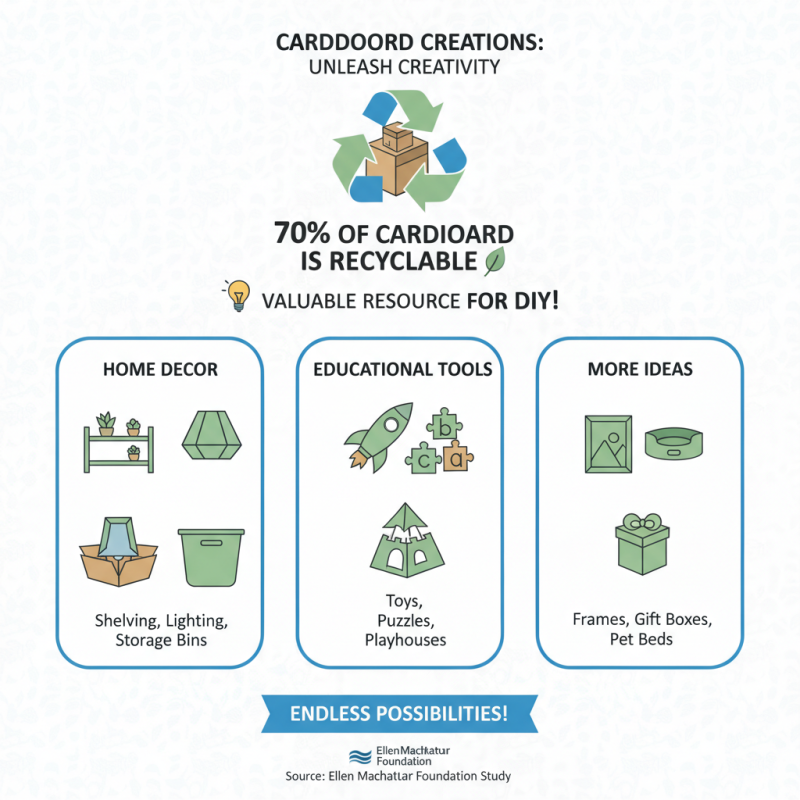
Recycled cardboard boxes can be transformed into various creative projects. A study by the Ellen MacArthur Foundation noted that 70% of cardboard is recyclable. This makes it a valuable resource for DIY enthusiasts. From home decor to educational tools, the possibilities are endless.
One popular project is creating custom storage solutions. You can design organizers for your workspace. These organizers can help reduce clutter and improve productivity. Remember to decorate them to match your space. Another idea is crafting toys for children. With some creativity, cardboard can become dolls, cars, or even playhouses. Making these toys can encourage kids' imaginative play.
Tips: Always ensure the cardboard is clean. Soaking cardboard in water before crafting can weaken it. This may lead to unexpected collapses. Start small. A simple box may seem easy but can often yield mixed results. Also, consider the limitations of your tools. Not every cut will be perfect, and that’s fine. Embrace the imperfections—they can add character to your projects!
Step-by-Step Guide to Preparing Cardboard for Crafting
Recycled cardboard boxes can be transformed into art. Preparing the cardboard properly is essential. Start by collecting clean boxes. Ensure there’s no tape or labels. This makes crafting smoother. According to the Environmental Protection Agency, recycling just one ton of cardboard saves about 9 cubic yards of landfill space.
Cut the cardboard into different shapes. Use scissors or a box cutter. Watch your fingers! Larger pieces are great for autumn displays. Smaller ones work for detailed projects like greeting cards. Don’t be afraid to overlap materials. Sometimes the imperfections create unique textures and designs.
Tips: Always wear gloves when cutting. It's safer and keeps the cardboard clean. When you paint or decorate, remember to let layers dry between coats. This avoids smudges and maintains a neat look. It's okay if things don’t turn out perfect. Learning through trial and error can lead to unexpected masterpieces. Embrace each mistake as a step toward creativity.
Creative Uses of Recycled Cardboard Boxes
This bar chart illustrates various creative projects that can be accomplished using recycled cardboard boxes. It highlights the popularity of each project based on a hypothetical survey.
Innovative Ideas for Upcycling Cardboard into Decorative Items
Recycled cardboard boxes can transform your home decor with creativity. One idea is making
wall art. Cut cardboard into different shapes. Paint them with bright colors or add patterns.
Arrange these pieces on a canvas for a unique display. It’s a fun way to personalize your space, yet it might not turn out as you envisioned.
Don't hesitate to experiment until you find what works.
Another creative project is crafting storage solutions. Stack small cardboard boxes to create an
organizer for your desk. Cover the boxes with wrapping paper or fabric for a polished look. This project can be a bit messy,
and you might need to redo some boxes. But the outcome can help declutter your workspace while adding style. Upcycling cardboard
is a process that might require patience and adjustments. Enjoy the journey of creating—it's part of the fun!
Tips for Enhancing the Durability and Aesthetics of Cardboard Creations
When working with recycled cardboard boxes, enhancing durability and aesthetics is essential. Start by strengthening the structure. You can achieve this by using clear adhesive tape to reinforce seams and corners. It may seem like a simple step, but it can make a significant difference. Consider layering cardboard pieces for added strength. This technique can create a thicker, more robust finished product.
For aesthetics, painting and decorating are key. Use non-toxic paints for safe projects. Try using sponges to apply paint for a textured look. This can add depth to your cardboard creation. Don’t forget about embellishments. Adding fabric scraps, washi tape, or natural elements like leaves can elevate your project. However, be mindful of balance; too many decorations can overwhelm the design.
Remember, imperfections can be beautiful. Embrace uneven cuts or fading colors. These details tell a story about the project’s journey. Reflect on what worked and what didn’t in your crafting process. This can inspire future projects and lead to more innovative ideas.