How to Choose the Best Business Packaging for 2026?
As we approach 2026, the importance of effective Business Packaging cannot be overstated. In recent years, studies have revealed that packaging contributes significantly to a brand's first impression, influencing over 70% of consumer purchasing decisions. Additionally, the global packaging market is projected to reach $1 trillion by 2027, driven by increasing demand for sustainability and innovative designs. Brands that prioritize smart packaging strategies will likely outperform their competitors.
Choosing the right packaging is not merely a decorative choice; it reflects a company's values and commitment to quality. Eco-friendly materials are gaining traction, with 80% of consumers willing to pay more for sustainable options. However, there is still a gap—many businesses struggle to balance aesthetics, functionality, and environmental impact. It’s essential to regularly reassess your packaging decisions and consider the evolving market demands and consumer preferences.
Navigating the complexities of Business Packaging requires expertise and a keen eye for trends. As the landscape changes, businesses must adapt to maintain their edge. This reflection on past choices can often reveal missteps that offer valuable lessons. By understanding your audience and their expectations, you can create packaging that not only protects your product but also enhances brand loyalty and trust.

Selecting Sustainable Materials: Trends and Data for 2026 Packaging
Choosing sustainable packaging materials is crucial for businesses in 2026. As consumers become more environmentally conscious, brands must adapt to these changes. Bio-based plastics and compostable materials are trends that are gaining traction. These options not only reduce waste but also enhance brand image.
Tips: Consider using materials that are sourced locally. This reduces the carbon footprint and supports local economies. Evaluate the life cycle of materials to ensure they are genuinely sustainable. Not every biodegradable option decomposes in a landfill, so research is essential.
Companies should also prioritize transparency in their packaging choices. Clear labeling about materials can increase consumer trust. Educating your team about sustainable choices fosters a culture of responsibility. This may seem daunting, but starting with small changes can lead to significant impacts over time. Packaging is a tangible way to show your commitment to sustainability.
How to Choose the Best Business Packaging for 2026?
| Material Type |
Sustainability Score (1-10) |
Cost per Unit ($) |
Market Demand (% Growth 2025-2026) |
Recyclability (%) |
| Biodegradable Plastics |
9 |
0.15 |
20% |
70% |
| Recycled Cardboard |
8 |
0.10 |
15% |
85% |
| Plant-Based Inks |
7 |
0.12 |
18% |
60% |
| Glass |
10 |
0.25 |
12% |
95% |
| Aluminium |
9 |
0.30 |
10% |
90% |
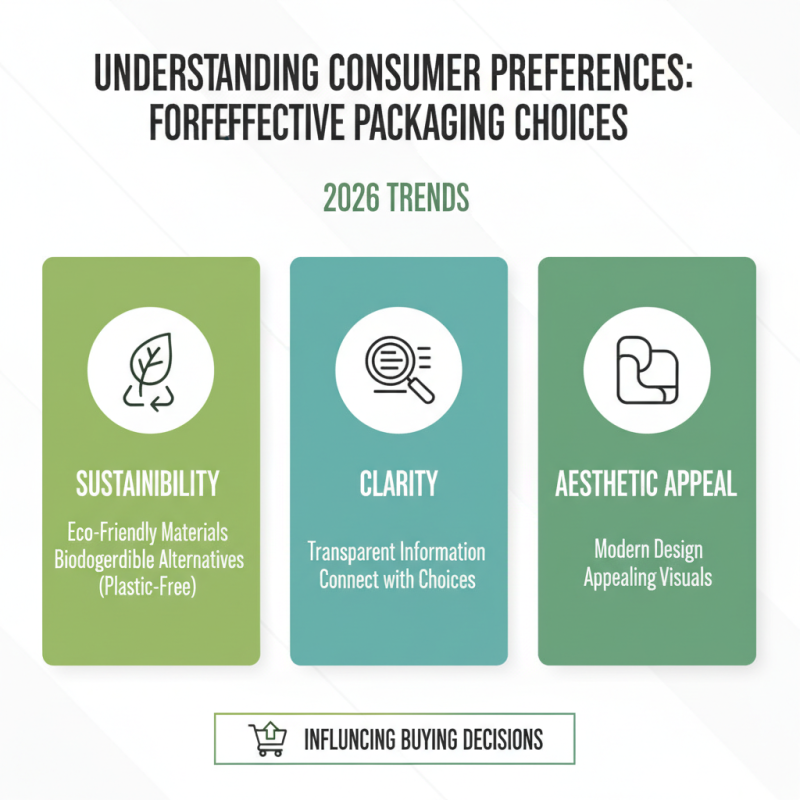
Understanding Consumer Preferences: Key Insights for Effective Packaging Choices
Consumer preferences are evolving rapidly, impacting how businesses should approach packaging. In 2026, customers will prioritize sustainability, clarity, and aesthetic appeal. Research shows that eco-friendly materials significantly influence buying decisions. Plastic alternatives, like biodegradable options, are gaining traction. People want to feel connected to their choices.
Colors and designs can also evoke emotions. A clean, modern look often attracts younger consumers. Transparency in labeling fosters trust. Many shoppers appreciate products that are easy to open. Packaging that feels good also matters. The tactile experience can enhance overall satisfaction.
Listening to consumers is essential. Surveys can reveal preferences, but trends change quickly. Companies must adapt packaging to reflect values and lifestyles. Testing different designs allows for valuable feedback. Businesses should embrace imperfection in their processes. Not every package will resonate. Learning from failures can lead to better products.
Regulatory Compliance: Navigating Packaging Laws and Standards in 2026
Navigating packaging laws and standards in 2026 will be crucial for businesses. Regulatory compliance affects all aspects of product packaging. Reports indicate that 78% of consumers consider eco-friendly packaging important. Businesses must adapt to these evolving expectations.
The European Union has tightened regulations on materials and waste management. Non-compliance can lead to fines. For example, the European Packaging Waste Directive emphasizes recycling and reusability. Companies must stay updated on these changes to avoid legal challenges.
Tips: Regularly review packaging guidelines to ensure compliance. Join industry forums for insights. Collaborate with legal experts to interpret new regulations effectively. Engaging in environmental sustainability can boost brand loyalty. Companies that focus on compliance and eco-friendliness can differentiate themselves in the market.
Business Packaging Regulations Compliance Trends (2023-2026)
This chart illustrates the projected compliance rates for business packaging regulations from 2023 to 2026. As companies adapt to new regulatory standards, an upward trend in compliance rates is anticipated, highlighting the importance of staying informed about packaging laws and standards.
Cost Analysis: Balancing Quality and Affordability in Business Packaging
Choosing the right packaging for your business involves more than just aesthetics. Cost analysis plays a crucial role. Quality packaging protects products but can strain budgets. Balancing these aspects is essential for success.
When assessing packaging options, consider materials. Sustainable solutions often come at a premium. However, they can enhance brand reputation. Cheap alternatives might save money but could result in damaged goods. This could lead to higher long-term costs. Finding the right balance requires careful consideration.
Think about design costs too. Custom designs can elevate your brand but are often more expensive. You might hesitate, fearing an empty wallet. Yet, well-designed packaging can attract customers. Investing upfront can yield significant returns. Explore various suppliers to understand what fits your budget. Quality packaging shouldn’t force you to compromise. Reflect on your choices and their impact on your business.