Choosing the best Recycled Cardboard supplier in China requires more than comparing price lists. Packaging buyers need stable quality, documented sourcing, and dependable delivery. A low quotation can become expensive when sheets warp, crack, or arrive with inconsistent moisture.
The China Paper Association’s 2023 annual report recorded China’s paper and paperboard production at approximately 129.65 million tonnes. Consumption reached about 131.65 million tonnes, showing the scale of this manufacturing market. Its data also reflects strong demand for recovered fiber and packaging materials. Meanwhile, Smithers’ industry analysis, The Future of Recycled Paper to 2028, identifies packaging growth and sustainability targets as major drivers for recycled paper demand. These reports provide useful context, but they do not select a supplier for you.
A reliable evaluation should examine fiber content, basis weight, burst strength, edge crush test results, moisture control, and contaminant limits. Ask for recent laboratory reports, production samples, and clear batch records. A serious factory should explain its pulping process, drying conditions, inspection points, and corrective actions. Certifications may support credibility, but certificates alone are not enough. Visit the plant if possible. Watch how finished sheets are stacked, wrapped, and protected from humidity. Check whether the supplier can maintain specifications during peak seasons. Some suppliers publish impressive figures, yet their calculation methods remain unclear. That deserves a closer question. The strongest choice balances recycled content, performance, traceability, communication, and total delivered cost. In this guide, we compare the practical indicators that separate a dependable Chinese manufacturer from a merely attractive listing.
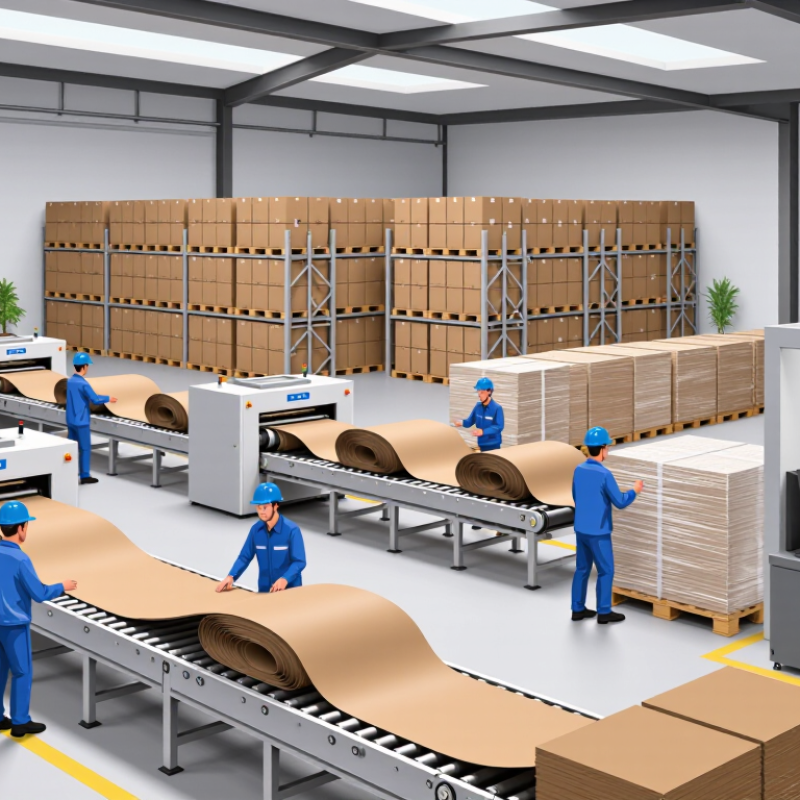
A reliable recycled cardboard supplier proves quality through consistent production, not attractive samples alone. In practical sourcing, buyers should inspect fiber strength, moisture levels, thickness, and surface finish. Ask for recent test reports, production records, and clear recycled-content data. A trustworthy supplier explains how waste paper is sorted, pulped, cleaned, and tested.
Traceability matters. Each shipment should connect to a batch number, inspection record, and packing date. This helps buyers investigate uneven color, weak edges, or unexpected odors. The factory should also control humidity during storage. Damp sheets can curl before they reach the converting line. Small details often reveal serious discipline.
Communication is another useful measure. Reliable teams respond with specific answers, realistic lead times, and written corrective actions. They should welcome a trial order before discussing large volumes. No supplier is perfect. Recycled fibers naturally vary between batches, and even experienced factories can miss a defect.
The real question is whether the supplier reports problems early and fixes their process. During evaluation, buyers should compare three samples under the same load test, rather than trusting appearance. A lower price can become expensive when rejected cartons delay production. A dependable supplier offers evidence, accepts reasonable audits, and keeps improving after feedback.
A reliable supplier should prove quality with test records, not attractive claims. Check basis weight, thickness, moisture, burst strength, and edge crush performance. Ask for recent batch results, not certificates from several years ago. In warehouse checks, weigh random sheets and inspect cut edges for loose fibers. A humid container can change performance quickly. Moisture readings should be taken before loading and after arrival.
The 2023 CEPI Key Statistics report recorded an 82.5% paper recycling rate in Europe. This shows strong recovery, but it does not guarantee every cardboard product contains recycled fiber.
The US EPA reported a 96.5% recycling rate for corrugated containers in 2018. That figure describes recovery, not product quality.
Ask suppliers to disclose recycled content, fiber sources, water use, and waste handling. ISO-based laboratory testing can support these claims, while EN 643 grading helps define recovered paper quality.
Sustainability needs evidence across the supply chain.
Review energy data, wastewater controls, packaging reduction, and transport distances. Request a traceable material statement for each production batch. I would not trust a glossy certificate alone. A supplier may pass one sample and fail during the humid season. My own inspection can also miss variation between production lines. Independent testing remains valuable, especially for food-contact or heavy-load applications. The best evaluation combines factory experience, documented data, and repeated shipment checks.
A reliable supplier should prove more than a low quotation. Check its recycled-fiber traceability, factory controls, and testing records. CEPI’s Key Statistics 2023 reported a 79.3% paper recycling rate in Europe during 2022. This figure shows strong market demand, but it does not guarantee consistent material quality. Ask how recovered paper is sorted, stored, and recorded before pulping. EN 643 or an equivalent Chinese classification standard can help verify recovered-paper grades.
Request current ISO 9001 certification for quality management. ISO 14001 is also valuable for environmental controls, including wastewater and energy management. For recycled-content claims, require chain-of-custody certification and a transaction or batch record. Certificates should match the legal company name, factory address, and product scope. Check the issuing body, expiry date, and audit status carefully.
Production reports should include basis weight, moisture, burst strength, edge crush strength, and Cobb water absorption. Testing methods should reference recognized TAPPI, ISO, ASTM, or Chinese GB standards. For export cartons, confirm compression performance under humid conditions. A certificate alone is not proof. Some factories display strong documents but keep weak batch records. That gap deserves a site audit, sample comparison, and a written corrective-action plan. Even careful buyers can miss seasonal fiber changes. Recheck samples before large production.
What Is the Best Recycled Cardboard Supplier in China?
How to Compare Prices, Capacity, and Customization Options
Price should begin with specifications, not the first quotation. Compare recycled fiber percentage, board grade, basis weight, moisture tolerance, and printing method. A lower price can hide thinner fluting or higher acceptable defect rates. China Paper Association data reports 129.65 million tonnes of paper and paperboard production in 2023. That scale creates choice, but not every factory has stable recycled-material control. Request three recent quotations using identical dimensions and delivery terms. Then calculate the landed cost per usable box.
Capacity needs practical evidence. Ask for monthly output, machine width, production shifts, and peak-season utilization. A supplier claiming 10,000 tonnes monthly may reserve much of that capacity for existing contracts. Request production records, sample batch codes, and a video audit when possible. The Smithers report, The Future of E-Commerce Packaging to 2028, identifies continued growth in protective and shipping packaging. Demand pressure can extend lead times. Capacity on paper is not capacity for your order.
Customization includes more than color. Check structural design, die-cut accuracy, compression strength, ink limits, minimum order quantity, and prototype fees. Corrugated packaging should be tested under realistic stacking and humidity conditions, not only in a dry showroom. ISO 18606 supports evaluating recyclable packaging systems, while laboratory results still depend on the actual material mix. I would also inspect one imperfect batch. It reveals more than a polished sample. My own comparison mistake was ignoring pallet efficiency; the box passed testing but wasted warehouse space.
Reference benchmarks for FOB pricing, monthly production capacity, and customization flexibility
The benchmark profiles use common China procurement ranges: approximately US$285–465 per metric ton for recycled cardboard products, 1,500–8,000 metric tons of monthly capacity, and a customization score based on available options for size, GSM, flute type, printing, coatings, and packaging. Lower prices are not always better; buyers should also verify quality consistency, minimum order quantity, lead time, and certification requirements.
What Is the Best Recycled Cardboard Supplier in China?
How to Select the Best Supplier for Your Packaging Needs
Choosing a recycled cardboard supplier in China requires more than comparing prices. Ask where the recovered fiber comes from and how recycled content is verified. Reliable suppliers should provide test reports for GSM, caliper, moisture, burst strength, and edge crush performance. Request recent samples, not only polished catalog pieces. A sample should survive stacking, folding, printing, and ordinary warehouse handling.
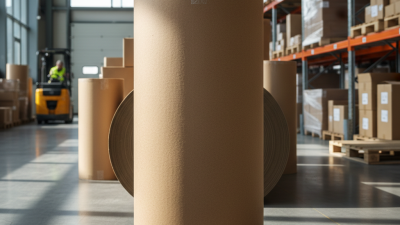
Production control matters. Check whether the supplier records pulp batches, board moisture, machine downtime, and final inspection results. A factory visit, video audit, or independent inspection can reveal storage problems that documents hide. Look for covered warehouses, dry floors, and wrapped rolls without crushed edges. Ask about minimum order quantities, lead times, replacement procedures, and packaging for export. Clear answers are useful. Vague promises are not.
Environmental claims also need careful review. Request recycled-content evidence and information about wastewater treatment, energy use, and fiber sourcing. Do not accept every certificate without checking its scope and validity. I have seen purchasing decisions focus too heavily on the lowest quoted price. That choice can create uneven thickness, color variation, or late deliveries. No supplier is perfect, including a carefully audited one. Begin with a trial order and measure results against your actual packaging line. Keep written specifications, approved samples, and agreed tolerances. Communication deserves testing too. If questions remain unanswered for several days, larger orders may become stressful.
| Evaluation Dimension | Recommended Supplier Benchmark | Documents or Tests to Request | Why It Matters for Packaging Buyers |
|---|---|---|---|
| Recycled Fiber Content |
Preferred target At least 70% recycled fiber for standard corrugated packaging, with the exact percentage stated by weight. |
Recycled-content declaration, chain-of-custody records, and third-party verification where available. ISO 14021 may be used for environmental claims. | A clearly documented recycled-content percentage helps prevent vague environmental claims and supports sustainability reporting. |
| Paper Fiber Classification | Recovered paper should be classified according to recognized paper-recycling specifications, with consistent incoming-material controls. | Material specifications, recovered-paper grading records, pulp furnish information, and production batch traceability. | Consistent fiber quality improves sheet strength, printability, and packaging performance from one shipment to the next. |
| Compression Strength | Select the required edge crush test (ECT) or box compression strength according to product weight, stacking height, transport route, and humidity exposure. | Recent laboratory reports using applicable ISO, TAPPI, ASTM, or equivalent testing methods. Request test results for the actual board grade. | Recycled fibers can vary in strength. Compression data helps reduce crushing, pallet instability, and damage during warehousing or transport. |
| Moisture Resistance | Agree on a Cobb water-absorption limit appropriate to the application. Standard dry-goods packaging generally requires less resistance than chilled or humid-environment packaging. | Cobb test results, humidity-conditioning data, coating specifications, and samples tested after exposure to the intended environment. | Moisture can reduce corrugated-board stiffness and cause deformation, especially in sea freight, cold storage, and humid climates. |
| Quality Management System | A documented quality-management system, preferably certified to ISO 9001 or managed with equivalent documented procedures. | Valid certificate, scope of certification, inspection plans, nonconformity records, and corrective-action procedures. | Formal quality controls make dimensions, board grade, color, printing, and shipment quality more consistent. |
| Environmental Management | Prefer suppliers with ISO 14001 certification or equivalent controls for wastewater, energy use, emissions, and production waste. | Environmental-management certificate, applicable permits, waste-handling records, and information about energy or water-reduction programs. | Environmental controls help buyers evaluate the full manufacturing process rather than recycled content alone. |
| Product Safety and Chemical Control | Materials should meet the legal and safety requirements of the destination market and the intended packaging application. | Ink and adhesive declarations, restricted-substance statements, safety data where relevant, and migration or odor testing for sensitive applications. | This is essential for packaging used near food, cosmetics, pharmaceuticals, children’s products, or regulated consumer goods. |
| Customization Capability | Capability to produce the required flute profile, board grade, dimensions, die-cut structure, printing method, and pallet configuration. | Technical drawings, approved samples, flute and liner specifications, color proofs, and documented pre-production approval procedures. | A supplier that can control both board construction and converting can reduce fit problems, excess material, and unnecessary packaging weight. |
| Order Flexibility and Lead Time | Confirm the minimum order quantity, sample lead time, production lead time, rush-order policy, and export documentation before contracting. | Written quotation, production schedule, capacity statement, sample approval timeline, and agreed delivery terms such as FOB or CIF. | Transparent scheduling helps buyers coordinate product launches, inventory levels, and international shipping plans. |
| Traceability and Shipment Control | Each production batch should be linked to raw materials, manufacturing records, inspection results, and shipment documentation. | Batch or lot numbers, certificates of analysis where applicable, inspection reports, packing lists, and container-loading records. | Traceability speeds up root-cause analysis and supports corrective action if a quality issue occurs after delivery. |
| Total Cost of Ownership | Compare board price together with tooling, printing plates, testing, packaging, freight, duty, inspection, rejects, and replacement costs. | Itemized quotation, landed-cost calculation, payment terms, defect allowance, warranty terms, and agreed quality tolerances. | The lowest unit price may be more expensive overall if it causes higher damage rates, inconsistent dimensions, or frequent reorders. |
Recommended practice: shortlist suppliers that meet the technical and compliance benchmarks, then compare approved samples under the same packaging, stacking, humidity, and transport conditions.