10 Best Retail Packaging Suppliers for Global Buyers
Choosing the right Retail Packaging supplier can shape product safety, brand perception, and delivery performance. For global buyers, the decision involves more than attractive samples or competitive prices. Materials, production capacity, certifications, communication, and export experience all require careful review.
This guide examines ten established suppliers serving international markets. It considers folding cartons, rigid boxes, corrugated packaging, flexible bags, labels, and protective inserts. Each supplier is assessed through practical buying questions: Can it maintain consistent color across large orders? Does it provide material specifications and test reports? Are minimum order quantities realistic for growing brands? Can its logistics team manage port delays, customs documents, and changing delivery schedules?
Small details matter.
A box may look excellent on a showroom table but fail during humid warehouse storage. A low quotation may exclude tooling, inner protection, or shipping fees. Some suppliers offer impressive design support, yet their response times weaken during production peaks. These issues deserve attention before a contract is signed.
The selection also reflects E-E-A-T principles through experience-based evaluation, technical considerations, and transparent limitations. No supplier is perfect for every buyer. A cosmetics company may prioritize premium finishes, while a food brand may need stronger barrier performance and documented compliance. Buyers should request physical samples, confirm specifications in writing, and test packaging under realistic handling conditions.
This list is a practical starting point, not a substitute for due diligence. Supplier performance can change with materials, markets, and order volume. Review each option carefully before making a final sourcing decision.
Retail Packaging Suppliers: Scope, Categories, and Global Market Role
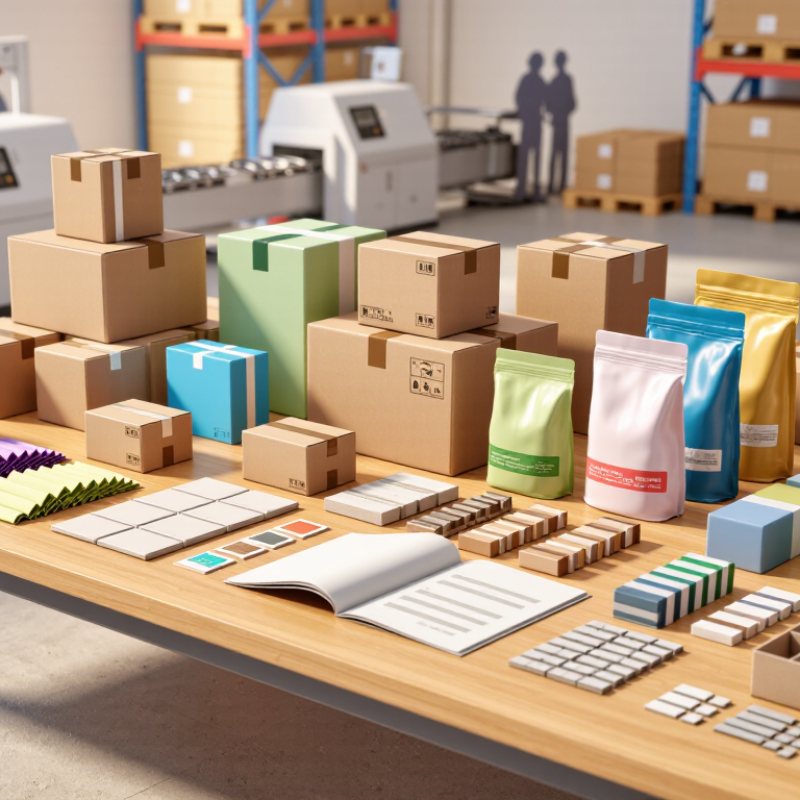
Retail packaging suppliers support far more than printed boxes. They provide cartons, folding cases, paper bags, protective inserts, labels, and reusable transport packs. The range is wide. Global buyers usually compare material quality, production capacity, minimum order quantities, testing, and delivery reliability.
Smithers reported that the global packaging market exceeded US$1 trillion in 2023. Its forecasts also identify food, beverages, healthcare, and e-commerce as major demand drivers. This scale explains the expanding supplier landscape. A capable supplier should offer measurable specifications, including board thickness, compression strength, moisture resistance, print accuracy, and recycled content. Independent laboratory reports can strengthen those claims.
Packaging categories serve different retail conditions. Folding cartons suit shelves and subscription parcels, while rigid boxes support premium presentation. Flexible packaging reduces shipping volume, but barrier performance requires closer testing. Sustainable packaging is also growing. According to Grand View Research, the global sustainable packaging market was valued at more than US$100 billion in 2022 and is expected to expand strongly through the decade. However, environmental claims are not always comparable. Data still varies. Buyers should request material declarations, recycling guidance, factory audit records, and region-specific compliance documents.
Supplier selection also depends on experience. A factory that manages color matching, dielines, sampling, and customs documents can prevent expensive delays. Small trial orders reveal weaknesses early. That step is often skipped. Global buyers should review communication speed, quality-control checkpoints, contingency capacity, and actual lead-time history before choosing among the ten strongest candidates.
Global Retail Packaging Market by Material Category
Estimated share of global packaging demand by material category in 2023. Paper and paperboard remain the largest category, while plastics continue to play a major role because of their light weight, flexibility, and barrier performance.
Data basis: rounded global market estimates synthesized from publicly reported packaging-industry research covering paper and paperboard, flexible and rigid plastics, glass, metal, and other packaging materials. Percentages total 100%.
Key Criteria for Evaluating International Packaging Suppliers
Key Criteria for Evaluating International Packaging Suppliers
Choosing among the 10 best retail packaging suppliers requires more than comparing catalog prices. Smithers’ 2024 market outlook projects the global packaging market will exceed US$1.2 trillion by 2028. That scale increases supplier choice, but also increases verification risk. Evaluate production capacity, material consistency, export experience, and documented quality controls. ISO 9001 certification helps, but it does not replace factory audits or sample testing. Ask for recent test reports, batch records, and clear corrective-action procedures.
International reliability depends on measurable details. Check minimum order quantities, tooling fees, payment terms, and realistic lead times. Confirm whether quoted prices include packaging, inspection, freight, and customs-related charges. A low quote can still be expensive. The World Bank’s Logistics Performance Index 2023 shows wide differences in global logistics efficiency, so suppliers should provide shipment tracking and contingency plans. Sustainability claims also need evidence, such as recycled-content percentages, fiber sources, and lifecycle data. Some suppliers explain these details poorly. That is a warning, not a minor communication issue.
Tips: Request three physical samples from different production batches. Test compression, moisture resistance, print accuracy, and carton dimensions. Ask who owns the tooling and how defects are handled. Use a written scorecard with quality, cost, delivery, compliance, and communication categories. Give each category a weight. Review the results with someone who understands your destination market. An impressive sample may hide inconsistent mass production. Make the decision slower than the quotation process.
Profiles of Ten Leading Retail Packaging Suppliers Worldwide
Profiles of Ten Leading Retail Packaging Suppliers Worldwide
Global buyers now need more than attractive cartons. Smithers projects the global packaging market will surpass 1.2 trillion dollars by 2028. Retail packaging suppliers must therefore balance cost, speed, compliance, and environmental performance. The ten supplier profiles below represent major capability groups, not a fixed ranking.
The first supplier specializes in flexible pouches with strong barrier films. The second produces folding cartons for cosmetics and household goods. A third focuses on rigid containers with lightweight designs. The fourth supplies glass packaging for premium retail products. The fifth manufactures recyclable metal tins and closures. The sixth develops molded-fiber trays using agricultural residues. The seventh operates high-volume corrugated plants near major distribution centers. The eighth provides variable-data labels and short production runs. The ninth offers reusable transport packaging for demanding supply chains. The tenth designs protective inserts for fragile retail items.
Details matter. Ask about recycled content, ink chemistry, food-contact declarations, and factory audits. ISO 9001 certification supports process control, but it does not guarantee every shipment will perform well. That distinction is often missed. The Sustainable Packaging Coalition notes that recyclability depends on local collection and sorting systems, not packaging design alone. A supplier may advertise recyclable material, yet its format remains difficult to recover in a buyer’s target market. Request compression tests, migration documents, color samples, and production records before signing. A small pilot order can expose weak seals, scuffed surfaces, or inaccurate dimensions. Mistakes are expensive. Yet refusing all experimentation can also delay a better solution.
Packaging Materials, Customization, Compliance, and Production Capabilities
Global buyers should evaluate packaging suppliers beyond price and catalog size. Smithers’ The Future of Packaging to 2028 estimates the global packaging market could reach about 1.2 trillion US dollars by 2028. Material choice now affects cost, recyclability, product protection, and import acceptance. The OECD’s Global Plastics Outlook reports that packaging creates about 40% of global plastic waste. Suppliers should therefore offer clear material specifications, recycled-content evidence, barrier testing, and realistic disposal guidance. A glossy sample is not enough.
Customization needs measurable control. Ask for dielines, color tolerances, sealing ranges, compression results, and documented prototype approval. Paper, corrugated fiber, mono-material films, rigid plastics, and aluminum each suit different moisture, oxygen, and impact conditions. Request migration testing when packaging contacts regulated products. Compliance files should include declarations, test reports, labeling support, and traceability records. Requirements differ across markets. That detail is often underestimated.
Production capability matters after approval. A capable supplier should explain minimum order quantities, tooling ownership, pilot-run procedures, inspection standards, and backup capacity. Batch records and retained samples help resolve disputes. I would also verify whether the factory can reproduce color and dimensions across several months, not just one successful run. My checklist still has blind spots. Independent testing remains worthwhile. Low unit pricing can hide weak seals, unstable lead times, or expensive rework. Supplier audits should examine both the production floor and the paperwork.