What is Hard Cardboard and How is it Used in Packaging?
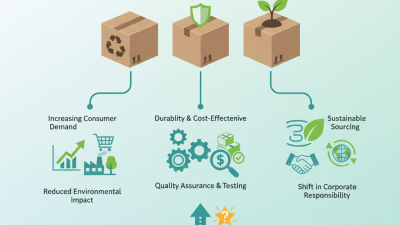
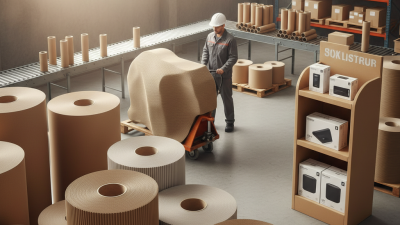
Hard Cardboard is gaining popularity in the packaging industry for its durability and eco-friendliness. According to a recent report by Smith Packaging Insights, the global demand for Hard Cardboard has risen by 25% in the last five years. This surge is attributed to its ability to provide robust protection for various products while being recyclable.
Industry expert Dr. Emily Johnson emphasizes the significance of this material, stating, "Hard Cardboard not only ensures product safety but also reduces environmental impact." Companies recognize that Hard Cardboard can enhance brand reputation and attract eco-conscious consumers. With its exceptional strength, this material is commonly used in shipping boxes, retail packaging, and protective inserts.
Despite its advantages, there are challenges in sourcing high-quality Hard Cardboard. Variability in production can lead to inconsistencies in strength and thickness. Manufacturers are continuously looking for ways to address these issues. The future of Hard Cardboard in packaging looks promising, yet caution is necessary to ensure quality and sustainability.
Definition and Characteristics of Hard Cardboard
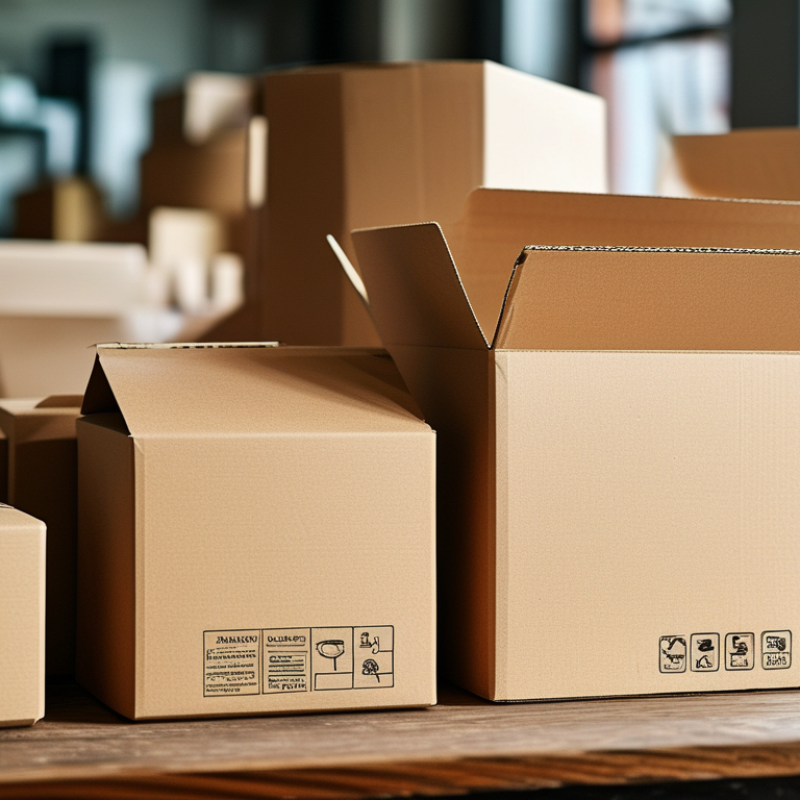
Hard cardboard, also known as chipboard, is a dense and sturdy material. It is primarily made from recycled paper products. This eco-friendly option is popular in packaging and various applications. Its thickness can vary, but it generally has a weight of 300 to 500 grams per square meter. The durability of hard cardboard makes it a preferred choice for items that require extra protection during transit.
The characteristics of hard cardboard are noteworthy. It is rigid, providing excellent structural support. It can be printed on easily, allowing for attractive branding options. Additionally, hard cardboard is lightweight, which is beneficial for reducing shipping costs. It is also resistant to bending and breaking, making it ideal for fragile items. However, it can be prone to moisture damage, so proper storage is crucial.
Tips: Always store hard cardboard in a dry location to prevent deterioration. When using it for packaging, consider adding internal dividers for better protection. Evaluate its thickness based on the items you are packaging to ensure security.
Hard Cardboard Usage in Packaging
Common Types of Hard Cardboard Used in Packaging
Hard cardboard, a robust and dense material, is widely used in packaging. It is valued for its strength and durability. Various types of hard cardboard meet specific packaging needs.
One common type is gray board. It is often used in making rigid boxes and book covers. Gray board is thick, ensuring protection during shipping. Its versatility allows for many applications, though it can be heavier than other materials.
Another popular type is chipboard. It is lighter and often made from recycled paper. Chipboard is used for items like cereal boxes and packaging inserts. While it is less durable than gray board, it offers a cost-effective solution. However, its strength varies based on production processes.
Kraft board is also significant. Known for its natural brown hue, this type is strong and tear-resistant. It is typically used for shipping containers and wrapping. Yet, it may not always provide the rigidity needed for delicate items. Each type of hard cardboard has its trade-offs, making it essential to choose the right type for the packaging challenge at hand.
Benefits of Using Hard Cardboard in Packaging Solutions
Hard cardboard is a preferred material in packaging due to its strength and durability. It consists of multiple layers that create a rigid structure, enhancing protection during shipping and handling. According to a recent industry report, up to 70% of businesses favor hard cardboard for its effectiveness in safeguarding products. Its resilience against moisture and tearing improves product longevity, especially in challenging environments.
The benefits of using hard cardboard extend beyond mere protection. It is cost-effective, making it an attractive option for companies looking to optimize their packaging expenses. Since it is recyclable, businesses can meet sustainability goals while maintaining quality. In the U.S. alone, nearly 90% of cardboard is recycled, significantly reducing environmental impact. Hard cardboard also offers excellent printing surfaces, making it ideal for branding and product information.
Tip: When designing packaging, consider the thickness of the cardboard. Thicker options provide more protection but could increase shipping costs.
Despite the advantages, hard cardboard may not be suitable for every product. Some fragile items might require additional cushioning to prevent damage. It's essential to evaluate product needs before selecting packaging materials. Ultimately, balancing quality, cost, and environmental considerations will lead to the best packaging solutions.
Applications of Hard Cardboard in Various Industries
Hard cardboard is a staple in various industries due to its sturdiness and versatility. In the packaging sector, it is widely utilized for creating structural boxes, preserving product integrity during transit. According to a report by Smithers Pira, the global market for cardboard packaging is expected to reach $400 billion by 2024. This growth highlights the demand for durable materials like hard cardboard.
In the electronics industry, hard cardboard is used for protective packaging. It shields fragile components from damage. Data from the International Data Corporation indicates that electronic packaging is projected to grow by 7% annually, driven by the need for reliable shipping solutions. Hard cardboard can absorb shocks, making it ideal for safeguarding sensitive goods.
Furthermore, the food industry employs hard cardboard for packaging takeaway meals and frozen products. The design allows for insulation, helping maintain temperature and freshness. Market reports suggest that sustainable packaging options are gaining traction. Hard cardboard fits this trend, as it is recyclable and biodegradable. However, not all applications consider the environmental impact. There is room for improvement in optimizing material usage to reduce waste.
Environmental Impact and Sustainability of Hard Cardboard Packaging
Hard cardboard is increasingly preferred in packaging due to its strength and durability. It is made from recycled paper and offers excellent protection for products. However, its environmental impact is significant. The production process often requires substantial energy and resources, leading to greenhouse gas emissions.
Sustainability is a crucial concern. While hard cardboard can be recycled, the recycling rates vary. Some areas struggle with infrastructure. This inconsistency means that not all hard cardboard is repurposed. Additionally, the ink and adhesives used in printing can complicate recycling efforts.
Innovations in sustainable practices are emerging. Some manufacturers explore alternative materials. Biodegradable options are gaining traction. Yet, awareness among consumers is lacking. Many still overlook the importance of sourcing responsibly. The packaging industry must address these challenges to improve environmental outcomes.